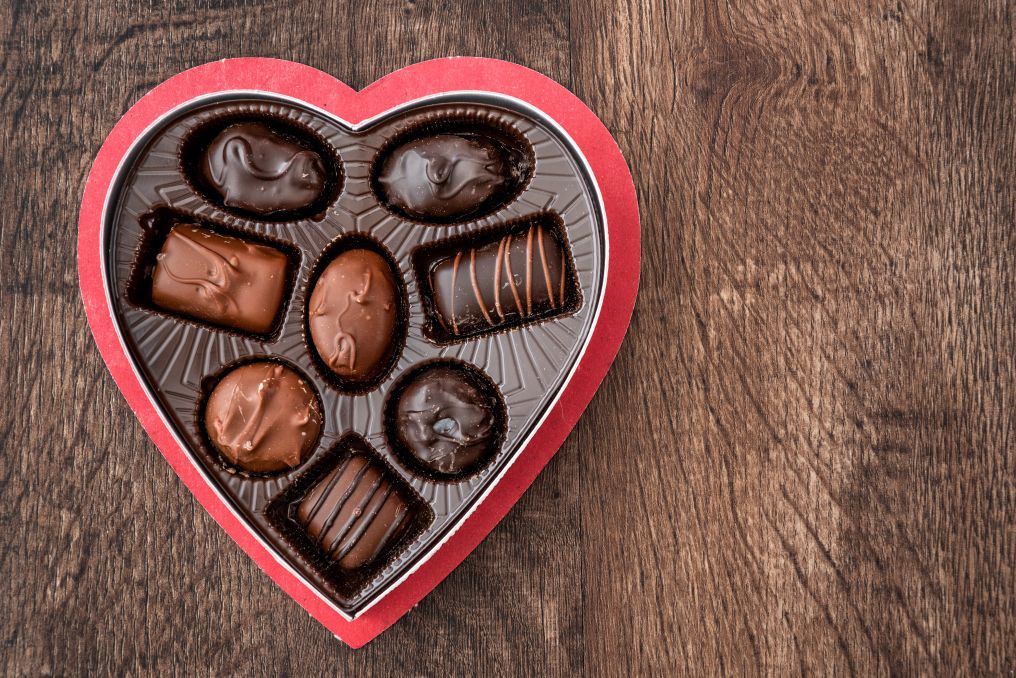
Valentine’s Day treats and the hidden risks to your smile
From heart-shaped chocolate boxes to colorful conversation hearts lining grocery store aisles, sweets are an undeniable part of Valentine’s Day. While candy can be a fun and thoughtful way to show affection, it can also take a toll on your teeth if you’re not careful.
In this blog post, we explore how common Valentine treats affect your teeth, which treats are more harmful than others, and what you can do to enjoy the holiday without inviting cavities.
Why Valentine’s Candy Is Tough on Teeth
To understand how candy affects your teeth, it helps to know what’s happening inside your mouth every time you enjoy something sweet.
Your mouth is home to millions of bacteria. Some of these bacteria are harmless, but others feed on sugars and starches. When you eat candy, these bacteria produce acids as they digest the sugar. Those acids attack the enamel – the hard, protective outer layer of your teeth.
Over time, repeated acid attacks can weaken enamel, leading to:
- Cavities
- Tooth sensitivity
- Enamel erosion
- Gum irritation
Valentine’s Day candy can be especially problematic because it often involves high sugar content, sticky textures, and frequent snacking: a perfect storm for tooth decay.
The Most Common Valentine’s Day Candies (and How They Affect Your Smile)
Let’s break down some of the most popular Valentine’s treats and how they impact your teeth.
- Sticky Candies: Treats like caramels, taffy, gummy bears, jelly beans, and conversation hearts are some of the worst offenders for dental health. They cling to the grooves and crevices of your teeth and can be difficult to remove, even with brushing.
- Hard Candies: Hard candies like lollipops, candy hearts, and jawbreakers pose two major risks. Since they dissolve slowly, your teeth are bathed in sugar for minutes at a time. Second, biting down on hard candy can chip or crack a tooth, especially if you have fillings or crowns. If you do enjoy hard candy, it’s best to let it dissolve rather than chewing it – and to limit how often you indulge.
- Sour Candies: Sour gummies, hearts, and other sour candies are especially harsh on enamel. Not only do they contain sugar, but they’re also highly acidic. That combination can rapidly erode enamel and lead to sensitivity. A common mistake is brushing immediately after eating sour candy. Because enamel is temporarily softened by acid, brushing right away can actually cause more damage. (We’ll talk more about timing later.)
- Chocolate: Good news for chocolate lovers: chocolate is generally less harmful than many other candies. Because it melts quickly, it doesn’t stick to teeth as much. Dark chocolate contains less sugar than milk chocolate, making it a better option. That said, chocolate-filled candies with caramel, nougat, or sticky centers can still cause problems, so moderation is key.
Valentine’s Candy and Kids’ Teeth
Valentine’s Day often means classroom parties, candy exchanges, and goody bags. While these traditions are fun, they can significantly increase kids’ sugar intake in a short period of time. Children’s teeth are particularly vulnerable because:
- Enamel on baby teeth is thinner than on adult teeth
- Kids may not brush as thoroughly
- Frequent snacking keeps acid levels high throughout the day
We often recommend that parents limit their child’s candy consumption to specific times instead of grazing throughout the day. Encourage kids to drink water after sweets, and supervise their brushing.
Turning Valentine’s Day into a “one-day treat” rather than a week-long candy marathon can also make a big difference for young smiles.
Frequency Matters More Than Quantity
One of the biggest misconceptions about candy and dental health is that eating a lot of candy at once is worse than eating small amounts throughout the day. In reality, frequent exposure to sugar is often more damaging.
Every time you eat sugar:
- Acid levels rise in your mouth
- Enamel is attacked for about 20–30 minutes
If you snack on candy all day long, your teeth never get a break. It’s better to enjoy sweets with a meal or at one designated time, then clean your teeth afterward.
How to Enjoy Valentine’s Candy Without Ruining Your Smile
We’re not here to tell you to skip Valentine’s candy altogether. Life is about balance! Here are some dentist-approved tips to help you enjoy the holiday while protecting your teeth.
- Choose Smarter Sweets: When possible, opt for chocolate over sticky or sour candy; dark chocolate over milk chocolate; and sugar free options (especially those sweetened with xylitol).
- Drink Plenty of Water: Water helps wash away sugar and food particles, neutralizing the acids found in your mouth. It also keeps saliva flowing, which is your mouth’s natural defense against cavities.
- Wait Before Brushing After Sour Candy: If you’ve had sour or acidic candy, wait 30–60 minutes before brushing. In the meantime, rinse with water or chew sugar-free gum to stimulate saliva.
- Stick to a Strong Oral Hygiene Routine: Valentine’s Day is a great reminder to stay consistent with your brushing and flossing habits. No amount of brushing can undo constant sugar exposure, but good habits go a long way in preventing problems.
What About Sugar-Free Candy?
Sugar-free candy can be a helpful alternative, but it’s not completely risk-free.
Pros:
- Doesn’t feed cavity-causing bacteria the same way sugar does
- Xylitol-based candies may reduce bacteria levels
Cons:
- Some sugar substitutes are still acidic
- Excessive consumption can cause digestive discomfort
Sugar-free gum with xylitol is often one of the better options for dental health, especially after meals.
Valentine’s Day Is a Great Time to Show Your Teeth Some Love, Too
Valentine’s Day isn’t just about hearts and candy – it’s also a great time to think about your oral health. If it’s been a while since your last dental checkup, consider scheduling:
- A routine cleaning
- A cavity check
- An exam for early signs of enamel erosion or gum disease
Preventive care is always easier (and more affordable) than treating dental problems after they’ve developed.
The Sweet Truth, Summed Up
Valentine’s candy doesn’t have to be the villain of your smile. By being mindful of what you eat, how often you snack, and how you care for your teeth afterward, you can enjoy Valentine’s Day without sacrificing your dental health.
From all of us at your local North Carolina family dentistry practice, we wish you a Valentine’s Day full of love, laughter, and healthy smiles. If you have questions about protecting your teeth – or you’re ready to schedule your next visit – we’re always here to help.