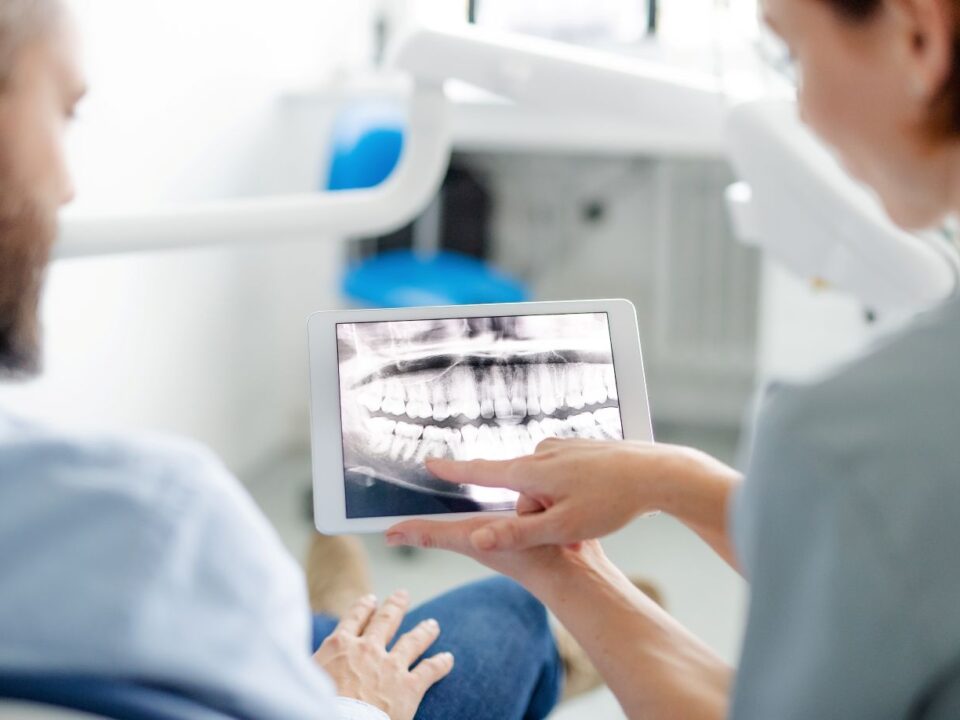

Learn about key symptoms, risk factors, and prevention tips
Every April, healthcare providers nationwide observe Oral Cancer Awareness Month. It is a key time to teach patients about oral cancer and highlight the importance of early detection. While oral cancer is not discussed as often as other cancers, it can cause serious health problems if unnoticed.
At our family dentistry practice, we believe that prevention and awareness are the first steps toward protecting your health. In this article, we’ll explain oral cancer, including who may be at risk, warning signs to watch for, and how regular dental visits help catch problems early.
What Is Oral Cancer?
Oral cancer, sometimes called mouth cancer, refers to cancer that develops in any part of the oral cavity. This includes the lips, tongue, gums, cheeks, floor of the mouth, and roof of the mouth. In some cases, it can also affect nearby areas such as the throat.
According to health experts, tens of thousands of people in the United States are diagnosed with oral cancer each year. While it is more common in older adults, it can affect individuals of any age.
The encouraging news is that oral cancer is highly treatable when detected early, which is why awareness and regular dental screenings are so important.
Common Signs and Symptoms of Oral Cancer
Oral cancer can appear in many forms, and symptoms vary depending on where the cancer develops. While some symptoms may seem minor at first, any change that persists for more than 2 weeks should be evaluated by a dental or medical professional.
Here are some of the most common warning signs:
- Persistent Mouth Sores: One of the earliest indicators of oral cancer is a sore that does not heal quickly. These sores may appear on the lips, gums, tongue, or inside the cheeks. Unlike a typical canker sore, these lesions may continue to grow, bleed easily, or remain unchanged over time.
- Red or White Patches in the Mouth: Unusual patches inside the mouth are another potential warning sign. While these patches are not always cancerous, they can sometimes indicate precancerous changes in oral tissues.
- Lumps or Thickened Areas: A lump, thickened area, or unusual growth in the mouth or neck should never be ignored. These may occur on the tongue, the gums, or the inside of the cheeks. If a lump persists or continues to grow, a dentist may recommend further evaluation or a biopsy.
- Difficulty Chewing or Swallowing: Oral cancer can affect the muscles and tissues involved in chewing and swallowing. Patients may experience discomfort, pain, or the sensation that something is stuck in the throat.
- Numbness or Pain: Unexplained numbness, tenderness, or pain in the mouth, lips, face, or neck can sometimes be associated with oral cancer. Although these symptoms may have other causes, persistent discomfort should be evaluated by a professional.
- Loose Teeth or Jaw Changes: In some cases, oral cancer may affect the structures that support the teeth. This can lead to loose teeth, jaw swelling, or dentures that suddenly no longer fit properly.
- Ear Pain or Voice Changes: Persistent ear pain, voice changes, or a sore throat that does not go away can also be signs of oral or throat cancer.
Risk Factors for Oral Cancer
While anyone can develop oral cancer, certain lifestyle factors and health conditions may increase the risk.
- Tobacco Use: Smoking cigarettes, cigars, or pipes significantly increases the likelihood of developing oral cancer.
- Heavy Alcohol Consumption: Frequent alcohol use can also raise the risk, particularly when combined with tobacco use.
- Human Papillomavirus (HPV): Certain strains of HPV are associated with cancers of the mouth and throat.
- Sun Exposure: Prolonged exposure to ultraviolet (UV) rays can increase the risk of lip cancer, a type of oral cancer.
- Diet and Nutrition: A diet low in fruits and vegetables may also increase cancer risk by reducing intake of protective nutrients.
- Age and Immune Health: Oral cancer is more frequently diagnosed in adults over 60, though it can occur in younger individuals as well.
The Importance of Oral Cancer Early Detection
Early detection is one of the most powerful tools in the fight against oral cancer. When identified early, oral cancer is often easier to treat and may require less aggressive therapies.
Dental professionals play a crucial role in early diagnosis by regularly examining the mouth, tongue, gums, and throat for abnormalities during routine checkups.
During an oral cancer screening, your dentist may:
- Examine the mouth for unusual lesions or patches
- Feel the jaw and neck for lumps
- Ask about symptoms such as pain or difficulty swallowing
If something suspicious is found, additional tests may be recommended to determine whether cancer is present.
How You Can Perform a Self-Check at Home
While professional exams are essential, you can also monitor your oral health between visits.
Once a month, consider performing a quick self-exam:
- Stand in front of a mirror with good lighting.
- Look at your lips, gums, and inside of your cheeks.
- Check the roof and floor of your mouth.
- Stick out your tongue and examine both sides.
- Feel your neck and jaw for any unusual lumps.
Look for sores, patches, swelling, or lumps that do not heal within two weeks. If you notice anything unusual, contact your dentist promptly for evaluation.
Steps to Reduce Your Risk of Oral Cancer
While not all cases of oral cancer can be prevented, certain healthy habits may help reduce your risk.
- Avoid tobacco products
- Limit alcohol consumption
- Maintain a balanced diet rich in fruits and vegetables
- Protect your lips with sunscreen or SPF lip balm
- Stay current with HPV vaccinations if recommended
- Visit your dentist regularly for exams and cleanings
Regular dental visits are especially important because dentists may detect early signs before symptoms become noticeable.
Protecting Your Mouth and Overall Health
Oral Cancer Awareness Month serves as a reminder that your oral health is closely connected to your overall health. Being proactive can help detect problems early and improve outcomes.
If you have noticed unusual changes in your mouth – or if it has been a while since your last dental visit – we encourage you to schedule an appointment. Together, we can help keep your smile and your health on the right track.