Exploring orthodontic treatment for a perfect smile
When it comes to achieving a confident, healthy smile, few things make as lasting an impression as straight, well-aligned teeth. Whether you’re exploring orthodontic treatment to enhance your appearance, correct discomfort, or improve your bite, understanding your options is essential. Modern orthodontics offers more choices than ever before, empowering patients of all ages to transform their smiles comfortably and discreetly.
Orthodontic care can address a wide range of concerns, from crowded teeth and gaps to bite problems like overbites, underbites, and crossbites. Left untreated, these issues may contribute to difficulty cleaning your teeth, uneven tooth wear, jaw discomfort, speech challenges, and an increased risk of cavities or gum disease. For many patients, orthodontic treatment not only creates a more confident smile but also helps improve long-term dental health and function.
In this comprehensive guide, you’ll learn:
- What orthodontics is and how it differs from general dentistry
- Common orthodontic problems and how they’re treated
- The different types of braces and clear aligners available
- The benefits of orthodontic treatment for children, teens, and adults
- What to expect during treatment from consultation to retention
- How long treatment typically takes and what it costs
- Answers to frequently asked questions about orthodontic care
Whether you’re just beginning your research or preparing for an orthodontic consultation, understanding your treatment options is the first step toward making an informed decision about your smile.
What is Orthodontics?
Orthodontics is a specialized branch of dentistry that focuses on diagnosing, preventing, and correcting problems related to the alignment of the teeth, jaws, and bite. The goal of orthodontic treatment is to create a healthy, functional bite while improving the appearance of your smile.
Although many people associate orthodontics with braces, modern orthodontic care encompasses a wide variety of treatments designed to move teeth into healthier positions and guide jaw development when necessary. Depending on your individual needs, treatment may involve traditional braces, ceramic braces, clear aligners, retainers, expanders, or other orthodontic appliances.
While many people seek orthodontic treatment to improve the appearance of their smile, the benefits extend far beyond aesthetics. Properly aligned teeth are generally easier to brush and floss, reducing the accumulation of plaque that can lead to cavities and gum disease. A balanced bite also distributes chewing forces more evenly, helping minimize excessive tooth wear and reducing strain on the jaw joints and surrounding muscles.
For some patients, correcting orthodontic problems can also improve speech, make chewing more comfortable, and reduce the likelihood of chipped or damaged teeth caused by protruding front teeth or an uneven bite.
Orthodontist vs. General Dentist: What’s the Difference?
Both general dentists and orthodontists are essential members of your dental care team, but they have different areas of expertise.
A general dentist focuses on preventive care and overall oral health, providing services such as routine exams, cleanings, fillings, crowns, and gum disease treatment. They may identify orthodontic concerns during regular checkups and refer patients for specialized care when appropriate.
An orthodontist is a dentist who completes several additional years of advanced education and clinical training dedicated specifically to tooth movement, bite correction, and jaw alignment. This specialized training allows orthodontists to diagnose complex orthodontic conditions and develop customized treatment plans using braces, clear aligners, and other orthodontic appliances.
For patients with significant crowding, bite problems, or jaw alignment issues, consulting an orthodontist ensures that treatment is tailored to achieve the healthiest and most stable long-term outcome.
Common Orthodontic Concerns
Understanding the type of orthodontic issue you have is the first step toward finding the most appropriate treatment. During an orthodontic evaluation, your orthodontist will examine how your teeth and jaws fit together and recommend a personalized treatment plan based on your unique needs.
- Crowded Teeth: Crowding occurs when there isn’t enough room in the jaw for all of your teeth to fit properly. As a result, teeth may overlap, rotate, or become pushed out of alignment. While mild crowding may only affect the appearance of your smile, more severe crowding can make brushing and flossing difficult, allowing plaque and bacteria to accumulate in hard-to-reach areas.
- Spacing and Gaps Between Teeth: Spaces between teeth can develop for a variety of reasons. Genetics, missing teeth, undersized teeth, abnormal jaw development, and certain oral habits can all contribute to spacing issues. While some gaps are purely cosmetic, larger spaces can affect your bite and make it easier for food to become trapped between teeth.
- Overbite: An overbite occurs when the upper front teeth overlap the lower front teeth more than they should. A slight overlap is considered normal, but a deep overbite can place excessive pressure on the front teeth and jaw.
- Underbite: An underbite occurs when the lower teeth extend in front of the upper teeth when the mouth is closed. This condition is often related to differences in jaw growth but may also result from tooth positioning.
- Crossbite: A crossbite occurs when one or more upper teeth sit inside the lower teeth instead of outside them. Crossbites can affect the front teeth, the back teeth, or both.
- Open Bite: An open bite occurs when the upper and lower teeth do not touch when the mouth is closed, leaving a gap between the front or back teeth. People with an open bite may have difficulty biting into foods such as sandwiches or apples and may develop speech problems involving certain sounds.
- Deep Bite: A deep bite is a more severe form of overbite in which the upper front teeth cover a significant portion of the lower front teeth. Correcting a deep bite helps distribute biting forces more evenly across all teeth and can reduce long-term wear.
- Protruding Teeth: Sometimes called “buck teeth,” protruding front teeth extend farther forward than normal. This may occur because of genetics, jaw position, thumb sucking, or other developmental factors. Although many patients seek treatment for cosmetic reasons, protruding teeth are also more vulnerable to chips, fractures, and injuries during sports or accidents because they extend beyond the natural protection of the lips.
- Impacted Teeth: An impacted tooth is one that fails to erupt properly through the gums because it is blocked by another tooth or doesn’t have enough room to emerge. While wisdom teeth are commonly impacted, upper canine teeth are also frequently affected.
- Jaw Alignment Problems: Not all orthodontic concerns involve the teeth alone. In some cases, the upper and lower jaws develop at different rates or sizes, resulting in bite problems that affect both function and facial balance.
Orthodontic Treatment Options
Modern orthodontics offers a variety of treatment options to help patients achieve healthier, straighter smiles. While traditional metal braces remain one of the most effective solutions for correcting complex orthodontic problems, advances in technology have introduced more discreet and convenient alternatives, including ceramic braces and clear aligners.
The right treatment depends on several factors, including the complexity of your case, your age, lifestyle, oral health, treatment goals, and budget. During your consultation, your orthodontist will perform a comprehensive examination, review digital X-rays or 3D scans, and recommend the treatment option best suited to your individual needs.
Below is an overview of the most common orthodontic treatments available today.
Traditional Metal Braces
Metal braces consist of small stainless steel brackets bonded to the front of each tooth and connected by a thin archwire. Over time, the orthodontist makes periodic adjustments to the wire, applying gentle, controlled pressure that gradually moves the teeth into their ideal positions.
Traditional braces are an excellent option for treating:
- Crowded teeth
- Significant spacing
- Overbites and underbites
- Crossbites
- Open bites
- Deep bites
- Rotated teeth
- Complex bite and jaw alignment issues
Ceramic Braces
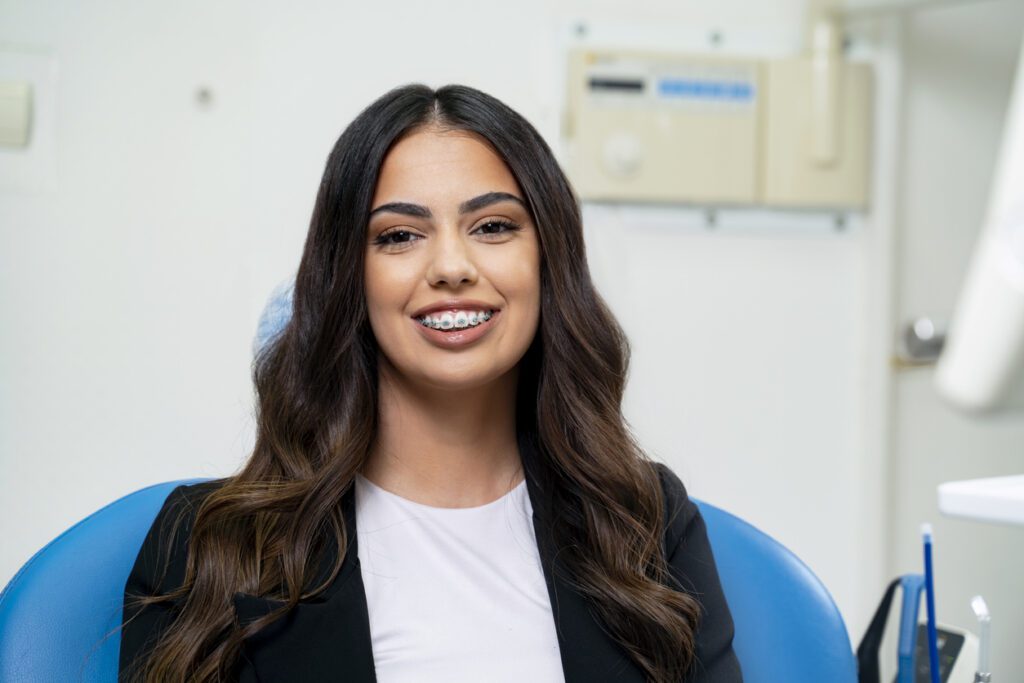
Ceramic braces work much like traditional metal braces but use clear or tooth-colored brackets that blend more naturally with your teeth. This makes them a popular choice for older teenagers and adults who want a less noticeable orthodontic treatment while still benefiting from the effectiveness of fixed braces.
Ceramic braces use the same gradual tooth movement principles as metal braces and can successfully treat many of the same orthodontic conditions.
Ceramic braces are often recommended for patients who:
- Want a more discreet appearance
- Need comprehensive orthodontic treatment
- Have moderate to complex bite issues
- Prefer fixed appliances over removable aligners
Ceramic brackets are generally more expensive than metal braces and may be slightly more fragile. While modern materials are highly durable, patients should still avoid habits that could damage their braces.
Clear Aligners
Clear aligners have become one of the most popular orthodontic treatment options for teens and adults seeking a discreet alternative to braces. Instead of brackets and wires, treatment uses a series of custom-made, transparent plastic trays that gradually move the teeth into alignment.
Each set of aligners is typically worn for one to two weeks before progressing to the next set in the series. Because the aligners are removable, patients can continue eating their favorite foods and maintain their regular brushing and flossing routines with minimal disruption.
Successful treatment depends on wearing the aligners for the recommended 20 to 22 hours each day.
Clear aligners may be appropriate for patients with:
- Mild to moderate crowding
- Small gaps between teeth
- Certain bite issues
- Relapsed orthodontic treatment
- Cosmetic alignment concerns
Because aligners are removable, treatment success depends heavily on patient compliance. Failing to wear them as directed can slow progress or affect treatment results.
Lingual Braces
Lingual braces function similarly to traditional braces but are attached to the back (tongue side) of the teeth rather than the front. This placement makes them virtually invisible when you smile.
Lingual braces are custom-designed for each patient and can effectively treat many orthodontic concerns while providing maximum discretion.
Lingual braces may be a good choice for patients who:
- Want their orthodontic treatment to be hidden from view
- Require fixed appliances
- Have cosmetic concerns related to visible braces
Lingual braces typically require a longer adjustment period than traditional braces. Some patients experience temporary speech changes or tongue irritation during the first few weeks of treatment. They are also generally more expensive because they require highly customized treatment planning and specialized placement.
Palatal Expanders
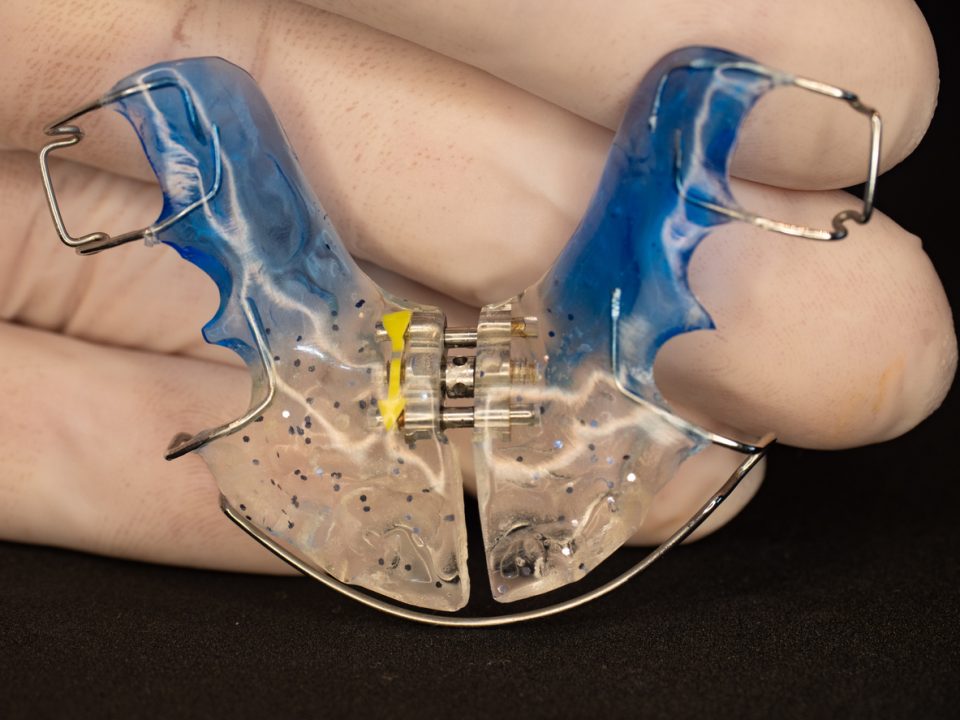
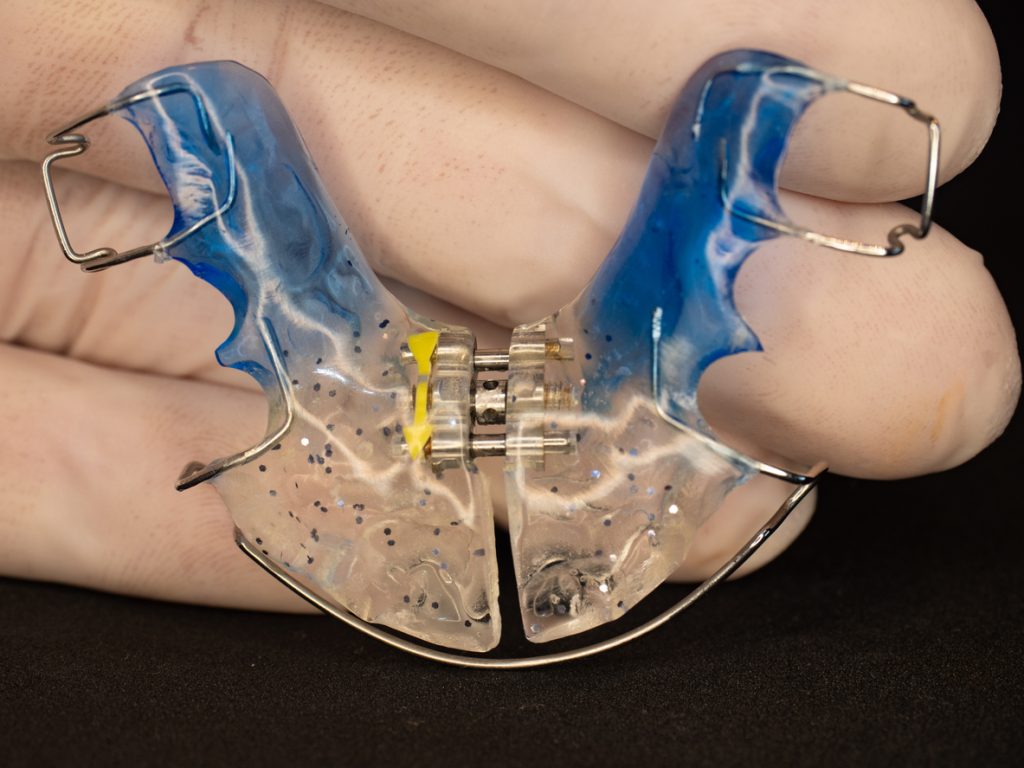
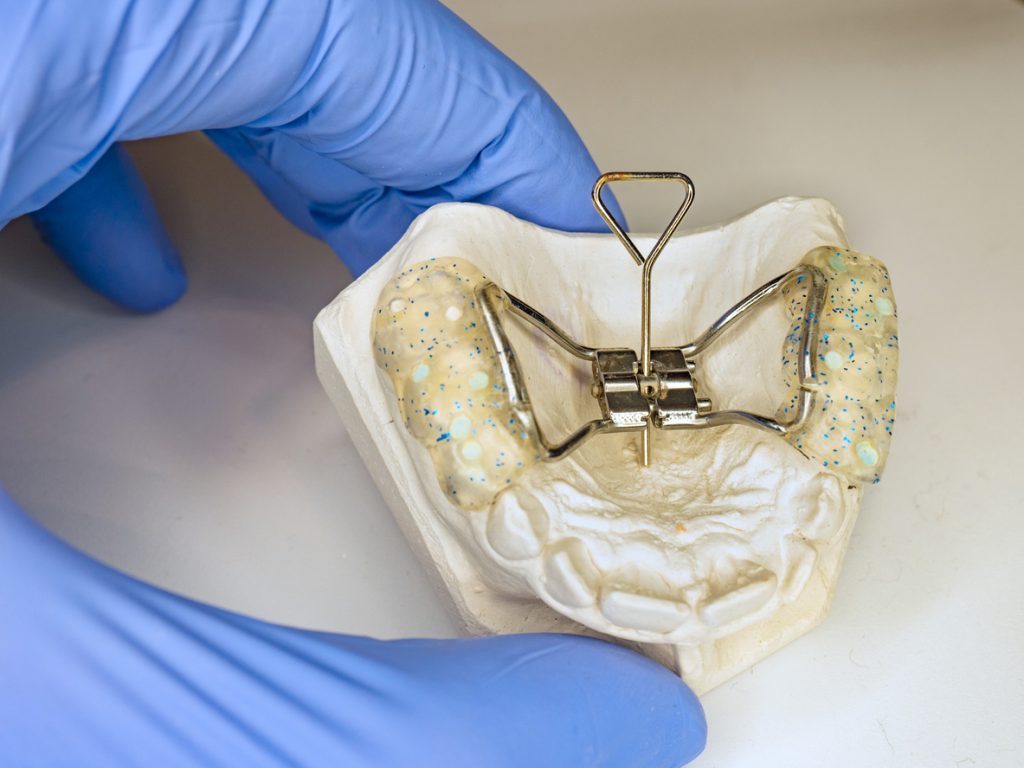
A palatal expander is an orthodontic appliance commonly used in growing children to gradually widen the upper jaw. Expansion can create additional space for permanent teeth, improve the fit of the upper and lower jaws, and help correct certain crossbites.
Because the bones of the upper jaw are still developing during childhood, expansion is often most effective before adolescence.
Early treatment with a palatal expander may reduce the severity of future orthodontic problems and, in some cases, lessen the need for tooth extractions later.
Space Maintainers
When a child loses a baby tooth earlier than expected, neighboring teeth may begin shifting into the empty space before the permanent tooth is ready to erupt.
A space maintainer is a simple appliance that preserves the space until the adult tooth emerges naturally. Maintaining proper spacing can reduce future crowding and simplify later orthodontic treatment. Learn about Cigna Insurance for space maintainers on our blog.
Retainers
Orthodontic treatment doesn’t end when braces come off or the final clear aligner is removed. Retainers play a critical role in maintaining your results.
After teeth have been moved into their new positions, the surrounding bone and supporting tissues need time to stabilize. Without wearing a retainer as directed, teeth naturally tend to shift back toward their original positions – a process known as orthodontic relapse.
Retainers may be removable or permanently bonded behind certain teeth, depending on your orthodontist’s recommendation.
Wearing your retainer consistently is one of the most important steps in protecting your investment in orthodontic treatment and preserving your new smile for years to come.
Who Is a Good Candidate for Orthodontic Treatment?
Thanks to advances in technology and treatment techniques, patients of nearly every age can benefit from straighter teeth and a healthier bite. Whether you’re concerned about crowded teeth, gaps, jaw alignment, or bite problems, an orthodontic evaluation can determine whether treatment is right for you.
The best candidates for orthodontic treatment are individuals whose teeth or jaws aren’t functioning or aligning properly. While some patients seek treatment for cosmetic reasons, many also experience improvements in oral health, comfort, and overall function.
You may be a good candidate for orthodontic treatment if you have:
- Crooked or crowded teeth
- Gaps or excessive spacing between teeth
- An overbite, underbite, crossbite, open bite, or deep bite
- Difficulty chewing or biting food
- Teeth that have shifted over time
- Jaw pain or clicking related to your bite
- Excessive wear on certain teeth
- Difficulty brushing and flossing because of misaligned teeth
- Concerns about the appearance of your smile
The ideal treatment and the best time to begin depends on your age, oral health, and the complexity of your orthodontic needs.
Orthodontics for Children
Many orthodontic issues begin developing long before all of a child’s permanent teeth have erupted. For this reason, the American Association of Orthodontists recommends that children have their first orthodontic evaluation by age 7.
An early evaluation doesn’t necessarily mean your child will need braces right away. Instead, it allows the orthodontist to monitor jaw growth, identify developing bite problems, and determine whether early intervention could improve long-term outcomes.
Some children benefit from Phase 1, or interceptive orthodontic treatment, which may include appliances designed to guide jaw growth, create space for permanent teeth, or correct developing bite problems. Others simply require periodic monitoring until they’re ready for comprehensive treatment during their teenage years.
Early evaluation can help identify issues such as:
- Severe crowding
- Crossbites
- Developing underbites or overbites
- Impacted teeth
- Harmful oral habits affecting tooth or jaw development
When treatment is recommended at the appropriate time, it may reduce the complexity of future orthodontic care.
Orthodontics for Teenagers
The teenage years are the most common time to begin orthodontic treatment because most or all permanent teeth have erupted while the jaw is still growing. This combination often allows orthodontists to correct alignment and bite problems efficiently.
Today’s teens have more treatment choices than previous generations. Depending on their orthodontic needs and lifestyle, they may be candidates for:
- Traditional metal braces
- Ceramic braces
- Clear aligners designed specifically for teens
- Other specialized orthodontic appliances
Treatment during adolescence can improve both oral function and self-confidence during an important stage of social and personal development.
Orthodontics for Adults
If you think you’ve missed your chance to straighten your teeth, think again. Adults are one of the fastest-growing groups seeking orthodontic treatment.
Many adults choose orthodontics because they never had braces as children, while others notice that their teeth have gradually shifted over time. Some seek treatment before restorative procedures such as crowns, veneers, implants, or bridges, while others want to improve the health and appearance of their smile.
Adult orthodontic treatment can successfully address many of the same concerns seen in younger patients, including:
- Crowding
- Spacing
- Bite problems
- Relapse after previous orthodontic treatment
- Cosmetic alignment concerns
Modern options such as ceramic braces and clear aligners make treatment more discreet than ever, allowing many adults to straighten their teeth with minimal impact on their professional or personal lives.
While adult treatment may sometimes take slightly longer because jaw growth has finished, healthy teeth can be moved successfully at almost any age.
Orthodontics for Older Adults
There is no upper age limit for orthodontic treatment. As long as your teeth and gums are healthy enough to support tooth movement, you may be a candidate for braces or clear aligners.
Many older adults pursue orthodontic treatment to:
- Improve oral health
- Correct shifting teeth
- Prepare for restorative dental work
- Improve chewing function
- Enhance the appearance of their smile
Your orthodontist will work closely with your general dentist or any dental specialists involved in your care to develop a treatment plan that considers your overall oral health.
Factors That Determine Your Eligibility
Age is only one consideration when determining whether orthodontic treatment is appropriate. During your consultation, your orthodontist will evaluate several factors before recommending a treatment plan.
These include:
- Your Oral Health: Healthy gums and teeth provide the foundation for successful orthodontic treatment. Any active tooth decay or gum disease should typically be treated before braces or aligners are placed.
- Your Bite and Jaw Alignment: Every patient’s bite is unique. The severity of your orthodontic concerns helps determine which treatment options are most appropriate and whether additional appliances or procedures may be recommended.
- Bone and Tooth Health: Your orthodontist will evaluate the condition of your jawbone and supporting structures using digital X-rays or 3D imaging. Strong, healthy bone helps ensure teeth can be moved safely and predictably.
- Your Lifestyle and Commitment: Some treatment options require greater patient participation than others. For example, clear aligners must be worn for 20 to 22 hours each day to be effective, while fixed braces work continuously without relying on patient compliance. Your daily routine, professional responsibilities, hobbies, and personal preferences all play a role in selecting the treatment that’s most likely to fit your lifestyle and achieve your goals.
The Orthodontic Treatment Process
Knowing what to expect during orthodontic treatment can help you feel more confident and prepared for your smile transformation. While every patient’s treatment plan is personalized, most follow a similar process. Throughout your treatment, your orthodontist will monitor your progress, make adjustments as needed, and ensure your teeth and bite are moving safely and efficiently.
Step 1: Initial Consultation
Your orthodontic journey begins with a comprehensive consultation. During this first appointment, your orthodontist will evaluate your oral health, discuss your concerns and goals, and determine whether orthodontic treatment is right for you.
The consultation typically includes:
- A visual examination of your teeth and bite
- A review of your dental and medical history
- A discussion of your concerns and treatment goals
- An assessment of jaw alignment and facial balance
This appointment is also an excellent opportunity to ask questions about treatment options, expected timelines, costs, and financing.
Step 2: Diagnostic Records and Treatment Planning
To develop a personalized treatment plan, your orthodontist will gather detailed diagnostic information about your teeth and jaws. Depending on your needs, this may include:
- Digital X-rays
- 3D digital scans of your teeth
- Intraoral and facial photographs
- Bite analysis
Using this information, your orthodontist can evaluate the position of your teeth, roots, jawbones, and surrounding structures. These records help determine the most effective treatment approach and allow your orthodontist to create a customized plan designed specifically for your smile.
At this stage, you’ll discuss:
- Your recommended treatment option
- Estimated treatment length
- Expected results
- Financial considerations and insurance coverage
- Any special instructions before treatment begins
Step 3: Beginning Treatment
Once your treatment plan is finalized, it’s time to begin moving your teeth. What this appointment looks like depends on the type of orthodontic treatment you’ve chosen.
- If You’re Getting Braces: Your orthodontist will carefully bond brackets to each tooth using a dental adhesive before connecting them with an archwire. Small elastic bands may also be placed depending on your treatment plan. The appointment is painless, although your teeth may begin feeling slightly sore within the first day or two as they start responding to gentle pressure.
- If You’re Getting Clear Aligners: If you’re using clear aligners, you’ll receive your first series of custom-made trays along with instructions for wearing and caring for them. Your orthodontist may also place small tooth-colored attachments on certain teeth to help guide more precise tooth movement. These attachments are temporary and are removed when treatment is complete.
Step 4: Regular Progress Appointments
Orthodontic treatment requires periodic checkups so your orthodontist can monitor progress and make any necessary adjustments. Patients with braces typically return every 4 to 8 weeks for adjustments. During these visits, your orthodontist may:
- Replace or adjust archwires
- Change elastic bands
- Monitor tooth movement
- Repair loose brackets if necessary
- Answer questions about your treatment
Patients using clear aligners generally have follow-up appointments every 6 to 12 weeks to evaluate progress and receive additional aligners.
These appointments are usually brief but are essential for keeping your treatment on schedule.
Step 5: Caring for Your Teeth During Treatment
Maintaining good oral hygiene is one of the most important parts of successful orthodontic treatment. Because braces create additional surfaces where plaque can accumulate, patients should brush carefully after meals, floss daily, and attend regular dental cleanings throughout treatment.
If you’re wearing clear aligners, you’ll also need to:
- Remove aligners before eating or drinking anything besides water
- Brush your teeth before reinserting them whenever possible
- Clean your aligners daily
- Wear them for the recommended 20 to 22 hours each day
Following your orthodontist’s instructions can help prevent cavities, gum disease, and unnecessary treatment delays.
Step 6: Monitoring Progress and Making Adjustments
As your teeth move into better alignment, your orthodontist may modify your treatment plan based on how your teeth are responding. Some patients progress exactly as expected, while others may require:
- Additional aligners
- Different archwires
- Elastic bands to improve the bite
- Minor refinements near the end of treatment
These adjustments are a normal part of orthodontic care and help ensure the best possible outcome.
Step 7: Completing Treatment
When your orthodontist determines that your teeth and bite have reached their ideal positions, your active treatment is complete.
For patients with braces, this appointment includes removing the brackets and adhesive from the teeth before polishing the enamel. Most patients are surprised by how quick and comfortable this process is.
If you’ve been wearing clear aligners, you’ll simply complete your final tray and undergo a final evaluation to confirm your treatment goals have been achieved.
At this stage, your orthodontist may take new digital scans or photographs to document your results.
Step 8: Wearing Your Retainer
Finishing braces or aligners isn’t the end of your orthodontic journey—it’s the beginning of maintaining your new smile.
After treatment, your teeth naturally want to shift back toward their original positions. To prevent this, your orthodontist will provide a custom retainer and explain when and how often it should be worn.
Depending on your treatment plan, you may receive:
- A removable clear retainer
- A removable acrylic retainer
- A fixed retainer bonded behind your teeth
- A combination of fixed and removable retainers
Wearing your retainer as instructed is essential for preserving your results and protecting the time and investment you’ve made in orthodontic treatment.
How Long Does Orthodontic Treatment Take?
While every smile is unique, most orthodontic treatments take 12 to 24 months. Some minor cosmetic corrections can be completed in as little as six months, while more complex cases involving significant bite or jaw alignment issues may require two years or longer.
Your orthodontist can provide a more accurate estimate after evaluating your teeth, bite, and overall oral health during your consultation.
What Affects Treatment Time?
Several factors influence how quickly your teeth move and how long treatment will take.
- The Complexity of Your Case: Simple alignment issues typically require less time than correcting significant bite problems or jaw discrepancies. For example, closing a small gap between teeth is usually faster than treating severe crowding, rotating teeth that are significantly out of position, or correcting an underbite or crossbite.
- Your Age: Orthodontic treatment can be successful at almost any age, but children and teenagers often experience slightly faster tooth movement because their jaws are still growing and developing. Adults generally achieve excellent results as well, although treatment may take a little longer in some cases because bone growth has already finished.
- The Type of Treatment: Different orthodontic appliances move teeth in different ways, but no single treatment is universally faster than another. Traditional braces are often the preferred choice for complex orthodontic cases because they allow orthodontists to make precise adjustments throughout treatment. Clear aligners can be highly effective for many mild to moderate cases and some comprehensive treatments, provided they are worn as directed. The “fastest” treatment is usually the one that’s most appropriate for your specific orthodontic needs.
- Patient Compliance: One of the biggest factors affecting treatment length is how closely patients follow their orthodontist’s instructions. For patients wearing clear aligners, consistently wearing them for 20 to 22 hours each day is essential. Frequently removing aligners or forgetting to switch to the next set on schedule can delay progress.
Can Orthodontic Treatment Finish Early?
In some cases, treatment may finish sooner than originally estimated if your teeth respond well and everything progresses as planned. However, orthodontists focus on achieving healthy, stable results rather than simply completing treatment as quickly as possible.
Ending treatment too early can increase the risk of teeth shifting or bite problems returning, so it’s important to allow enough time for proper alignment and stabilization.
What Can Delay Treatment?
While many patients complete treatment within their expected timeframe, certain factors can extend the process. Common causes of delays include:
- Missed appointments
- Damaged braces or appliances
- Inconsistent aligner wear
- Not wearing elastics as prescribed
- Poor oral hygiene
- Unexpected changes in tooth movement
- Additional treatment refinements needed to achieve the desired result
Maintaining regular appointments and communicating with your orthodontic team if problems arise can help minimize delays.
Tips for Staying on Schedule
Although you can’t control how quickly your teeth naturally move, you can help ensure your treatment progresses as efficiently as possible. To stay on track:
- Attend all scheduled orthodontic appointments.
- Wear clear aligners for the recommended amount of time each day.
- Wear rubber bands or other appliances exactly as instructed.
- Practice excellent brushing and flossing habits.
- Avoid foods that can damage braces.
- Contact your orthodontist promptly if a bracket, wire, or aligner is damaged.
Small, consistent habits throughout treatment can make a meaningful difference in keeping your orthodontic timeline on schedule.
How Much Does Orthodontic Treatment Cost?
The cost of orthodontic treatment is one of the most common questions patients have – and one of the most difficult to answer without an orthodontic evaluation. Every smile is different, and treatment costs vary based on the type of orthodontic appliance, the complexity of your case, the length of treatment, and your individual treatment goals.
While cost is an important consideration, it’s equally important to choose the treatment that will provide the healthiest, most stable, and longest-lasting result. During your consultation, your orthodontist will explain your treatment options, provide a personalized cost estimate, and discuss payment solutions that fit your budget.
Several factors influence the overall cost of orthodontic care:
- Complexity of Your Case: Minor alignment issues typically require less treatment time and fewer office visits than severe crowding, significant bite problems, or jaw alignment issues. More complex cases often involve additional planning, specialized appliances, or longer treatment times, which can increase the overall cost.
- Type of Treatment: Different orthodontic systems have different costs. Traditional metal braces are often the most economical comprehensive treatment option. Clear aligners may vary in price depending on the brand, number of aligners needed, and complexity of treatment.
- Length of Treatment: Longer treatment plans generally require more adjustment appointments, additional materials, and ongoing monitoring, all of which may influence the total cost.
- Additional Procedures or Appliances: Some patients require additional orthodontic appliances or dental procedures before or during treatment.
Does Dental Insurance Cover Orthodontic Treatment?
Many dental insurance plans include orthodontic benefits, particularly for children and teenagers. Some plans also provide coverage for adult orthodontic treatment. Coverage varies widely depending on your policy and may include:
- A lifetime orthodontic benefit
- Coverage for braces only
- Coverage for clear aligners in certain situations
- Age limitations
- Waiting periods
- Requirements to use in-network providers
If you have dental insurance, your orthodontic team can often verify your benefits, explain your coverage, and help you understand your expected out-of-pocket costs before treatment begins.
Life with Braces or Aligners
Starting orthodontic treatment is an exciting step toward a healthier, more confident smile, but it’s also an adjustment. Whether you choose traditional braces or clear aligners, there will be a short learning curve as you adapt to caring for your teeth and maintaining your daily routine.
Fortunately, most patients adjust within a few weeks. With a few simple habits and your orthodontist’s guidance, you can continue enjoying work, school, sports, travel, and social activities throughout treatment.
Eating & Drinking with Braces
Because brackets and wires can be damaged by certain foods, your orthodontist will recommend avoiding foods that are especially hard, sticky, or chewy. Foods to avoid include:
- Hard candy
- Popcorn
- Ice
- Nuts
- Chewing gum
- Caramel and other sticky candies
- Whole apples (cut them into slices instead)
- Hard crusty bread
- Corn on the cob (remove the kernels first)
Instead, choose softer foods, particularly during the first few days after your braces are placed or adjusted. As your mouth adjusts, you’ll likely be able to enjoy a wide variety of foods by making small modifications to how they’re prepared.
Most beverages are permitted, but sugary and acidic drinks can increase the risk of cavities around the brackets. Coffee and tea may also stain the elastic ties used with some types of braces. Drinking these beverages in moderation and rinsing with water afterward can help protect your teeth.
Eating and Drinking with Clear Aligners
One advantage of clear aligners is that there are virtually no food restrictions because you remove the aligners before eating. However, it’s important to:
- Remove aligners before every meal or snack.
- Drink only water while wearing aligners unless your orthodontist advises otherwise.
- Brush your teeth before putting aligners back in whenever possible.
- Rinse your aligners regularly to help keep them clean.
Leaving aligners in while eating or drinking anything other than plain water can damage them or cause food particles to become trapped inside.
Brushing and Flossing With Braces
Food and plaque can easily collect around brackets and wires, so brushing after meals and flossing daily are essential. Many patients find the following tools helpful:
- Soft-bristled or electric toothbrushes
- Interdental brushes
- Floss threaders
- Water flossers
- Fluoride toothpaste
Keeping your teeth clean throughout treatment helps prevent cavities, staining, and gum disease.
With Clear Aligners
Before putting your aligners back in, brush your teeth whenever possible to remove food particles and plaque. Clean your aligners daily using the method recommended by your orthodontist to keep them fresh and clear.
Playing Sports
Most patients can continue participating in sports throughout orthodontic treatment.
If you wear braces, your orthodontist will likely recommend wearing a properly fitted orthodontic mouthguard during contact sports such as football, basketball, soccer, hockey, or martial arts. A mouthguard helps protect your teeth, braces, lips, and cheeks from injury.
Patients wearing clear aligners should typically remove them before contact sports and wear an athletic mouthguard instead, unless instructed otherwise by their orthodontist.
If you experience an injury involving your teeth or orthodontic appliance, contact your orthodontist as soon as possible for guidance.
Playing Musical Instruments
Braces don’t have to prevent you from enjoying music.
While brass and woodwind instrument players may notice some initial discomfort or changes in embouchure, most musicians adapt within a few weeks. Orthodontic wax can help reduce irritation inside the lips while your mouth adjusts.
Practice and patience are usually all that’s needed to return to playing comfortably.
Smoking and Tobacco Use
Smoking and other tobacco products can negatively affect your oral health and orthodontic treatment. Tobacco use increases the risk of gum disease, slows healing, and may stain both teeth and orthodontic appliances. It can also discolor clear aligners, making them more noticeable.
If you smoke or use tobacco products, talk with your dental team about strategies to protect your oral health and support successful treatment.
Teeth Whitening During Treatment
If you have braces, it’s generally best to wait until treatment is complete before whitening your teeth. Whitening products don’t reach the enamel beneath the brackets, which can result in uneven tooth color after the braces are removed.
Patients using clear aligners may have more flexibility, but whitening should only be done with guidance from their orthodontist or dentist to ensure it’s safe and appropriate for their treatment plan.
Retainers and Post-Treatment Care
Completing orthodontic treatment is a major milestone – but it’s not the end of your smile journey. Once your braces are removed or you’ve finished your final set of clear aligners, the next phase of treatment begins: retention.
Retainers play a critical role in preserving your results and preventing your teeth from gradually shifting back toward their original positions. By following your orthodontist’s recommendations and maintaining good oral hygiene, you can help keep your smile healthy and straight for years to come.
Your orthodontist will recommend the type of retainer that’s best suited to your treatment and long-term needs:
- Removable Clear Retainers: Clear retainers are made from transparent plastic and fit snugly over your teeth, similar to clear aligners. Because they’re removable, it’s important to wear them exactly as prescribed. Leaving them out for extended periods can allow teeth to begin shifting.
- Hawley Retainers: Hawley retainers consist of a durable acrylic base with a thin metal wire that rests across the front of the teeth. These retainers have been used successfully for decades and are known for their durability. They can also be adjusted by your orthodontist if minor changes are needed over time.
- Fixed (Bonded) Retainers: Some patients receive a thin wire that’s permanently bonded to the back of the front teeth, most commonly on the lower arch. Because bonded retainers remain in place, they provide continuous support without relying on patient compliance. However, they require careful brushing and flossing to keep the surrounding teeth and gums healthy.
How Long Do You Need to Wear a Retainer?
The answer depends on your individual treatment plan, but the reality is that teeth naturally continue to shift throughout life. For that reason, many orthodontists recommend lifelong retainer use to maintain the best possible results.
Immediately after treatment, you’ll likely be instructed to wear your retainer full-time – typically 20 to 22 hours per day – for a period determined by your orthodontist.
As your teeth stabilize, you’ll usually transition to wearing your retainer only at night.
Even years after treatment, consistent nighttime wear is often the best way to help keep your teeth in their corrected positions.
Caring for Your Retainer
Proper retainer care helps keep it clean, comfortable, and functioning properly.
If you have a removable retainer:
- Clean it daily using the method recommended by your orthodontist.
- Brush it gently with a soft toothbrush if appropriate for your retainer type.
- Rinse it with cool or lukewarm water after removal.
- Store it in its protective case whenever you’re not wearing it.
- Keep it away from pets, which are known to chew retainers.
- Avoid exposing it to hot water, direct sunlight, or high temperatures, which can warp the material.
If you have a bonded retainer:
- Brush carefully around the wire.
- Floss daily using floss threaders, specialized floss, or other cleaning aids recommended by your dental team.
- Continue seeing your dentist for regular professional cleanings.
Continue Practicing Good Oral Hygiene
Even after orthodontic treatment is complete, maintaining healthy teeth and gums remains essential.
To protect your smile:
- Brush twice a day with fluoride toothpaste.
- Floss daily.
- Visit your dentist regularly for exams and professional cleanings.
- Follow your orthodontist’s recommendations for retainer wear and care.
- Address any dental concerns promptly before they become more serious.
Healthy gums and teeth provide the foundation for maintaining your orthodontic results over the long term.
Orthodontic FAQs
Orthodontic treatment can be a topic filled with questions and curiosity. Whether you’re a teenager eager to embrace braces or an adult considering clear aligners, we’ve compiled a list of frequently asked questions to shed light on the world of orthodontics.
- Why is orthodontic treatment important? Beyond aesthetics, orthodontic treatment promotes healthier teeth and gums, reduces strain on the jaw, and enhances overall oral function.
- What age is best for treatment? The American Association of Orthodontists recommends an evaluation by age 7. However, orthodontic treatment can be successful at any age.
- Are braces my only option? Not anymore! With the introduction of clear aligners and ceramic braces, patients have a range of modern, discreet alternatives.
- How long does treatment take? Treatment time varies based on individual needs. Most braces treatments last 18–24 months, while clear aligners typically take 9–15 months. Review our orthodontics home care guide to learn how to take care of your braces or aligners at home.
- Does treatment hurt? You may experience slight soreness when braces are adjusted or when switching to a new set of aligners, but this discomfort is temporary and manageable.
- Can I play sports or instruments? Absolutely. You can wear braces during sports with a mouthguard for protection, and musicians typically adapt quickly to playing with orthodontic appliances.
- Is orthodontic care covered by insurance? Many dental insurance plans offer partial coverage for orthodontic treatment. Our offices can help patients navigate coverage and financing options to make care affordable.
Choosing the Right Orthodontic Treatment for You
The best treatment plan depends on your individual goals, dental structure, and lifestyle. During your consultation, your orthodontist will conduct a detailed examination that may include X-rays and digital scans. Together, you’ll discuss your options: from the most effective approach to what best fits your daily life and budget.
A personalized approach ensures that you not only achieve a beautiful smile but also enjoy long-lasting oral health and comfort.
Your Smile Journey Starts Here
Orthodontic treatment is more than just straightening teeth: it’s an investment in your confidence, health, and overall well-being. Whether you choose traditional braces, ceramic options, or clear aligners, today’s orthodontic solutions make it easier than ever to achieve the smile you’ve always wanted.
If you’re ready to explore your options, schedule a consultation with Village Family Dental today. Our experienced orthodontic team will guide you through every step, helping you achieve a smile that’s as healthy as it is beautiful.