Discover how often to swap your toothbrush
Can you remember the last time you replaced your toothbrush? Some people wait until the bristles are completely flattened. Others change theirs only when they remember to grab one during a trip to the store. And a few hold on to the same toothbrush far longer than they should.
Your toothbrush is one of the most important tools you use for your health every single day. Yet it’s often overlooked. Let’s take a closer look at how often you should replace your toothbrush, why it matters, and the signs that it’s time for a new one.
Why Your Toothbrush Matters More Than You Think
Your toothbrush plays a critical role in removing plaque, food particles, and bacteria from your teeth and gums. Plaque is a sticky film of bacteria that forms on your teeth daily. If it isn’t removed effectively, it can lead to:
- Cavities
- Gum disease
- Bad breath
- Tartar buildup
- Tooth sensitivity
Even if you brush twice a day like we recommend, a worn-out toothbrush simply won’t do the job as well as a fresh one. This is because over time, bristles become frayed and less effective.
How Often Should You Replace Your Toothbrush?
The general rule of thumb is about every 3 to 4 months. However, some people may need to replace their toothbrush sooner. The 3–4 month guideline assumes:
- You brush twice a day
- You use proper technique (gentle pressure, not scrubbing aggressively)
- You rinse and store the brush correctly
If any of these factors vary, your toothbrush may wear out faster.
Signs It’s Time to Replace Your Toothbrush
Even if you’re unsure how long you’ve had your toothbrush, your bristles will often tell you when it’s time for a replacement.
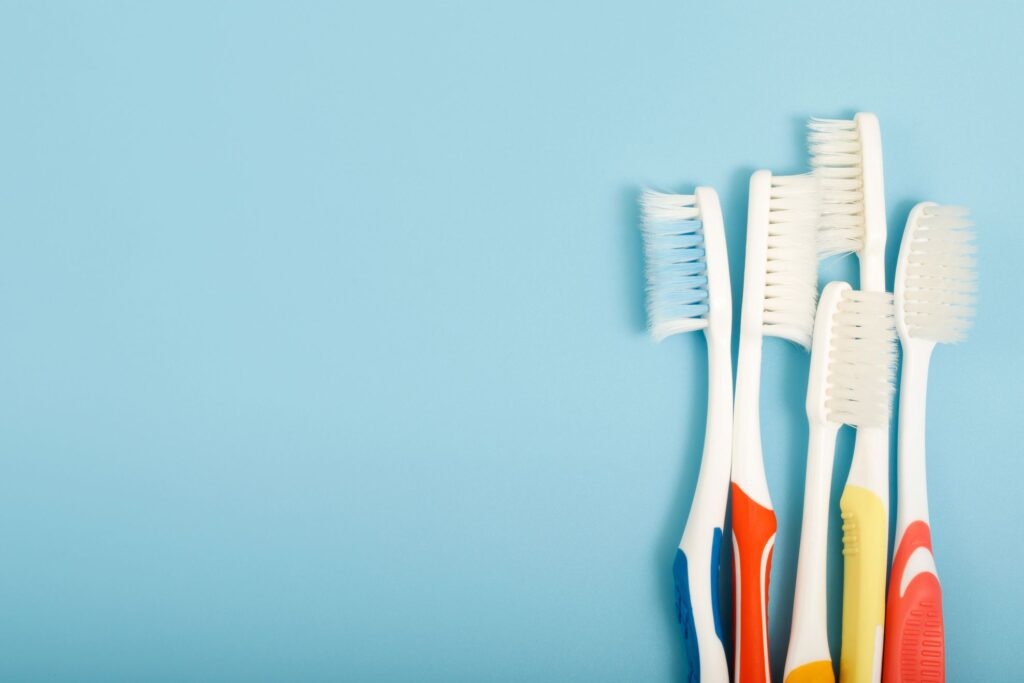
- Frayed or Splayed Bristles: This is the most obvious sign. If the bristles are bent outward, flattened, uneven, or worn down, they’re no longer cleaning effectively. Frayed bristles can’t reach between teeth or along the gumline properly. In fact, research shows that toothbrushes with worn bristles remove significantly less plaque than new ones.
- You’ve Been Sick: If you’ve recently had the flu, strep throat, or another contagious illness, it’s a smart idea to replace your toothbrush once you recover. While the risk of reinfection from your toothbrush is low, bacteria and viruses can linger on bristles. Replacing your brush helps eliminate that concern and gives you a fresh start.
- Discoloration or Odor: If your toothbrush looks discolored or has an unusual smell, it may be harboring bacteria. While toothbrushes are designed to withstand daily use in a moist environment, they’re not meant to last indefinitely.
- You’re Brushing Too Hard: If your bristles look worn out in just a few weeks, you may be brushing too aggressively. Many patients don’t realize that brushing harder does not mean brushing better. In fact, brushing too hard can damage enamel and lead to tooth sensitivity. If your toothbrush wears out quickly, consider switching to a soft-bristled brush and using gentler pressure.
What Happens If You Don’t Replace Your Toothbrush?
Holding onto a toothbrush too long can have several consequences.
- Reduced Cleaning Power: As bristles break down, they lose their ability to remove plaque effectively. This can increase your risk of cavities. You might be brushing regularly, but you’re not getting the full benefit.
- Increased Bacteria Buildup: Your mouth naturally contains hundreds of types of bacteria. While most are harmless, some contribute to tooth decay and gum disease. Although rinsing your toothbrush helps, over time, bacteria can accumulate in worn bristles.
- Gum Irritation: Old bristles can become stiff and jagged. Instead of gently cleaning your gumline, they may irritate or scratch delicate gum tissue.
Do Manual vs. Electric Toothbrushes Make a Difference?
Whether you use a manual or electric toothbrush, the replacement timeline is similar: every 3–4 months.
If you use an electric toothbrush, remember that it’s the brush head – not the handle – that needs replacing. Many electric toothbrush heads come with indicator bristles that fade in color over time. This is helpful, but don’t rely solely on the color change. Visually inspect the bristles as well.
Are You Storing Your Toothbrush Correctly?
How you store your toothbrush can affect how long it lasts and how hygienic it stays. Here are a few simple tips:
- Rinse Thoroughly: After brushing, rinse your toothbrush under running water to remove toothpaste and debris.
- Let It Air Dry: Store your toothbrush upright and allow it to air dry. Avoid covering it with a cap or placing it in a closed container while it’s still wet. This can create a moist environment that encourages bacterial growth.
- Keep It Separate: If multiple family members store their toothbrushes in the same holder, make sure they don’t touch each other. Cross-contamination is possible when bristles come into contact.
Special Considerations for Kids
Children’s toothbrushes need replacing just as often – if not more often – than adults’. This is because kids tend to:
- Chew on their toothbrushes
- Brush too aggressively
- Drop them frequently
All of this can cause faster wear.
What Type of Toothbrush Should You Choose?
When replacing your toothbrush, here’s what we recommend to most patients:
- Soft Bristles: Always choose soft bristles unless your dentist specifically advises otherwise. Medium and hard bristles can damage enamel and gums over time.
- Comfortable Handle: Choose a handle that feels secure and easy to grip.
- ADA Seal of Acceptance: Look for the American Dental Association (ADA) seal to ensure the toothbrush meets safety and effectiveness standards.
Setting a Simple Reminder System
If you can’t remember the last time you changed your toothbrush, you’re not alone. Life gets busy. Here are a few simple strategies:
- Replace your toothbrush at the start of each season
- Set a recurring calendar reminder every 3 months
- Change it after each dental checkup
- Subscribe to automatic toothbrush delivery services
Small systems like these help ensure you’re always brushing with an effective tool.
Don’t Forget: Your Toothbrush Is Just One Part of the Picture
While replacing your toothbrush regularly is important, it’s just one piece of maintaining a healthy smile. For optimal oral health, remember to:
- Brush twice a day for two minutes
- Use fluoride toothpaste
- Floss daily
- Limit sugary snacks and drinks
- Visit your dentist every six months
And as always, if you have questions about brushing technique, toothbrush recommendations, or your family’s oral health, don’t hesitate to reach out to our team.