Learn about common dental concerns in our blog
Maintaining good oral health is an essential part of overall well-being, yet many people underestimate just how much dental health affects their quality of life. Poor oral hygiene can lead not only to discomfort or cosmetic concerns but also to systemic health issues, as oral bacteria can contribute to heart disease, diabetes complications, and respiratory infections.
The good news is that many of the most common dental problems are largely preventable with good oral hygiene, healthy lifestyle habits, and regular dental checkups. At our general dentistry clinics in North Carolina, we believe preventive care is the cornerstone of lifelong oral health. By understanding the most common dental problems and knowing how to prevent them, you can protect your smile and your health for years to come.
In this comprehensive guide, you’ll learn:
- The most common dental problems affecting children and adults
- What causes each condition
- How dentists diagnose and treat these problems
- Practical ways to reduce your risk and keep your smile healthy
- When it’s time to schedule an appointment with your dentist
Whether you’re experiencing symptoms or simply want to improve your oral health, understanding these common conditions is the first step toward preventing them.
The Most Common Dental Problems at a Glance
The table below provides a quick overview of the most common dental conditions, their typical symptoms, and what you can do to help prevent them.
| Dental Problem | Symptoms | Causes | Prevention |
| Tooth Decay (Cavities) | Toothache, sensitivity, visible holes or dark spots | Plaque buildup, sugary foods and drinks, poor oral hygiene | Brush twice daily with fluoride toothpaste, floss every day, limit sugar, and schedule regular dental cleanings. |
| Gum Disease (Gingivitis & Periodontitis) | Red, swollen, bleeding gums, persistent bad breath, loose teeth (advanced stages) | Plaque buildup, tobacco use, poor oral hygiene, certain medical conditions | Brush and floss daily, avoid tobacco, eat a balanced diet, and receive regular periodontal evaluations. |
| Tooth Sensitivity | Sharp pain when eating or drinking something hot, cold, sweet, or acidic | Enamel erosion, gum recession, teeth grinding, worn fillings | Use a soft-bristled toothbrush, avoid aggressive brushing, use desensitizing toothpaste, and address grinding if present. |
| Bad Breath (Halitosis) | Persistent unpleasant breath, bad taste in the mouth | Bacteria, food particles, dry mouth, gum disease, tobacco use | Brush your teeth and tongue, floss daily, stay hydrated, and treat any underlying dental conditions. |
| Tooth Erosion | Tooth sensitivity, yellowing teeth, rounded edges, enamel wear | Acidic foods and drinks, acid reflux, frequent vomiting | Limit acidic beverages, rinse with water after consuming acids, and wait at least 30 minutes before brushing. |
| Teeth Grinding (Bruxism) | Jaw pain, headaches, worn or chipped teeth, facial soreness | Stress, sleep disorders, bite problems | Wear a custom night guard if recommended, reduce stress, and discuss treatment options with your dentist. |
| Dry Mouth (Xerostomia) | Dry or sticky mouth, difficulty swallowing, increased cavities, bad breath | Medications, dehydration, diabetes, certain medical conditions | Drink plenty of water, chew sugar-free gum, avoid tobacco, and talk to your dentist about saliva substitutes if needed. |
| Tooth Alignment & Bite Problems | Crooked teeth, difficulty cleaning, uneven wear, jaw discomfort | Genetics, childhood habits, jaw development | Early orthodontic evaluations, braces or clear aligners when appropriate, and wearing retainers as directed after treatment. |
While these conditions are among the most common reasons people visit the dentist, most can be prevented or treated successfully when they’re identified early. In the sections below, we’ll take a closer look at each condition, including its causes, symptoms, treatment options, and the steps you can take to protect your oral health.
1. Tooth Decay (Cavities)
Tooth decay – also known as dental caries or cavities – remains one of the most widespread dental problems in the world. It occurs when bacteria in your mouth feed on sugars and starches, producing acid that gradually erodes tooth enamel. Over time, this process creates permanent damage that can lead to cavities, tooth pain, infection, and even tooth loss if left untreated.
Although cavities are often associated with children, they can occur at any age. Common causes of tooth decay include:
- Inadequate brushing and flossing
- Frequent consumption of sugary foods and beverages
- Acidic drinks such as soda, sports drinks, and fruit juice
- Dry mouth (xerostomia), often caused by medications or certain medical conditions
- Infrequent professional dental cleanings
- Poor fluoride exposure
- Tobacco use
Early tooth decay may not cause noticeable symptoms, which is why routine dental examinations are so important. As decay progresses, you may experience:
- White, brown, or black spots on a tooth
- Tooth sensitivity to hot, cold, or sweet foods
- Persistent toothache or pain when biting down
- Visible holes or pits in a tooth
- Food frequently getting trapped between teeth
- Bad breath or an unpleasant taste in your mouth
If decay reaches the inner pulp of the tooth, it can cause severe pain, swelling, and infection that may require root canal therapy or extraction.
How Dentists Treat Tooth Decay:
Treatment depends on how advanced the decay has become. Early-stage enamel damage may be reversible with improved oral hygiene and professional fluoride treatments that strengthen weakened enamel. If a cavity has formed, your dentist will remove the decayed portion of the tooth and restore it with a durable filling.
The earlier decay is detected, the simpler and less invasive treatment typically is.
How to Prevent Tooth Decay:
Fortunately, cavities are highly preventable. Developing consistent daily habits can dramatically reduce your risk.
- Brush twice daily with a fluoride toothpaste to strengthen enamel.
- Floss every day to remove food debris and plaque between teeth.
- Limit sugary and acidic foods and drinks, such as soda and candy.
- Drink plenty of water to help rinse away bacteria.
- Schedule routine dental exams and professional cleanings every six months.
2. Gum Disease (Periodontal Disease)
Gum disease, or periodontal disease, is an infection of the tissues that support your teeth. It develops when plaque and bacteria accumulate along the gumline, causing inflammation that can eventually damage the bone holding your teeth in place.
This condition is more common than many realize. According to the CDC, nearly half of adults over 30 have some form of periodontal disease.
Several factors can increase your risk of developing gum disease, including:
- Inadequate brushing and flossing
- Smoking or using other tobacco products
- Diabetes and poorly controlled blood sugar
- Hormonal changes during pregnancy or menopause
- Certain medications that reduce saliva production or affect gum tissue
- A weakened immune system
- Family history of periodontal disease
- Poor nutrition, particularly deficiencies in vitamin C
- Teeth that are crowded or difficult to clean
The Stages of Gum Disease:
Gum disease typically progresses through two main stages.
- Gingivitis: Gingivitis is the earliest and mildest form of gum disease. At this stage, the infection is limited to the gums and has not damaged the supporting bone. With professional cleanings and improved oral hygiene, gingivitis can usually be reversed.
- Periodontitis: If gingivitis is left untreated, it can develop into periodontitis. As the infection progresses, the gums begin pulling away from the teeth, creating pockets where bacteria accumulate. Over time, the supporting bone deteriorates, making teeth loose or unstable. Unlike gingivitis, the damage caused by periodontitis cannot be completely reversed, making early diagnosis especially important.
How Dentists Treat Gum Disease:
Treatment depends on the severity of the condition.
For gingivitis, treatment often includes:
- Professional dental cleaning to remove plaque and tartar
- Improved brushing and flossing techniques
- Antimicrobial mouth rinses when appropriate
- More frequent preventive cleanings if recommended
For periodontitis, treatment may involve:
- Scaling and root planing (deep cleaning below the gumline)
- Antibiotic therapy to control bacterial infection
- Periodontal maintenance visits every three to four months
- Surgical procedures, such as pocket reduction or bone grafting, for advanced cases
The goal of treatment is to stop the infection, reduce inflammation, and preserve the teeth and supporting bone.
How to Prevent Gum Disease:
- Brush gently but thoroughly, focusing along the gumline.
- Use a soft-bristled toothbrush and replace it every three to four months.
- Floss daily to remove plaque where your brush can’t reach.
- Avoid tobacco products, which can severely increase your risk.
- Eat a balanced diet rich in vitamin C and calcium for gum health.
- See your dentist regularly for periodontal screenings and cleanings.
Early intervention can reverse gingivitis and prevent it from developing into advanced gum disease.
3. Tooth Sensitivity
If you’ve ever felt a sharp, sudden pain when drinking an ice-cold beverage, eating hot soup, or biting into something sweet, you may be experiencing tooth sensitivity. Also known as dentin hypersensitivity, this common dental condition affects millions of people and can range from occasional mild discomfort to persistent pain that interferes with everyday activities.
Tooth sensitivity occurs when the protective enamel on your teeth wears away or when your gums recede, exposing the underlying dentin. Dentin contains thousands of tiny tubules that lead directly to the tooth’s nerve. When exposed to hot, cold, sweet, acidic, or even cold air, these tubules allow sensations to reach the nerve, causing the characteristic sharp pain.
While occasional sensitivity isn’t always a cause for concern, persistent or worsening discomfort may be a sign of an underlying dental problem that should be evaluated by a dentist.
Common Causes:
Several factors can expose the dentin or irritate the tooth’s nerve, leading to sensitivity.
- Worn or weakened tooth enamel
- Gum recession that exposes the tooth root
- Brushing too hard or using a hard-bristled toothbrush
- Tooth decay or untreated cavities
- Cracked, chipped, or fractured teeth
- Worn or leaking dental fillings
- Teeth grinding or clenching (bruxism)
- Acid erosion from citrus fruits, soft drinks, sports drinks, or acid reflux
- Recent dental treatments such as fillings, crowns, whitening procedures, or professional cleanings (usually temporary)
Identifying the underlying cause is essential because treatment varies depending on what’s causing the sensitivity.
How Dentists Treat Tooth Sensitivity:
Treatment depends on the underlying cause and the severity of your symptoms. Your dentist may recommend:
- Desensitizing toothpaste to help block pain signals from reaching the tooth’s nerve
- Fluoride treatments to strengthen enamel and reduce sensitivity
- Dental bonding to cover exposed root surfaces
- Replacing worn or damaged fillings if they are contributing to the problem
- A custom night guard if teeth grinding is causing enamel wear
- Gum grafting in cases of significant gum recession
- Root canal therapy if sensitivity is caused by irreversible nerve damage or severe decay
Most cases improve significantly once the underlying issue is identified and treated.
How to Prevent Tooth Sensitivity:
- Use a desensitizing toothpaste recommended by your dentist.
- Brush gently with a soft-bristled toothbrush.
- Avoid acidic foods and beverages, or rinse with water afterward.
- Wait at least 30 minutes after eating before brushing to prevent enamel erosion.
- Use a mouthguard at night if you grind your teeth.
If sensitivity persists, your dentist may suggest fluoride treatments or bonding to protect exposed areas.
4. Bad Breath (Halitosis)
Bad breath, or halitosis, affects millions of people and can be both embarrassing and distressing. It’s often caused by bacteria in the mouth, leftover food particles, dry mouth, or poor dental hygiene. However, persistent bad breath can also indicate underlying problems like gum disease, sinus infections, or digestive issues.
Bad breath can have many different causes, ranging from temporary dietary choices to more serious oral health problems.
- Poor oral hygiene that allows plaque and bacteria to accumulate
- Food particles trapped between teeth
- Bacteria on the tongue
- Gum disease (gingivitis or periodontitis)
- Tooth decay or untreated dental infections
- Dry mouth (xerostomia), which reduces saliva’s ability to wash away bacteria
- Smoking or using other tobacco products
- Strong-smelling foods such as garlic, onions, and certain spices
In some cases, persistent bad breath may be related to medical conditions outside the mouth, including:
- Chronic sinus infections or postnasal drip
- Tonsil stones (tonsilloliths)
- Acid reflux (GERD)
- Diabetes
- Certain liver or kidney conditions
If your dentist determines that your oral health is not the cause, they may recommend seeing your primary care physician or another healthcare provider for further evaluation.
How Dentists Treat Bad Breath:
Treatment depends on identifying the underlying cause. If bad breath is caused by poor oral hygiene, your dentist may recommend:
- A professional dental cleaning to remove plaque and tartar
- Improved brushing and flossing techniques
- Daily tongue cleaning to reduce odor-causing bacteria
- Antimicrobial mouth rinses when appropriate
If gum disease is responsible, periodontal treatment such as scaling and root planing may be necessary to remove bacteria below the gumline.
When tooth decay, broken fillings, or dental infections are the source, restorative treatment may be needed to eliminate bacteria and restore oral health.
If no dental cause is identified, your dentist may refer you to a physician to evaluate possible medical conditions contributing to chronic halitosis.
How to Prevent Bad Breath:
- Brush your teeth and tongue twice daily to remove bacteria and odor-causing residue.
- Floss daily to eliminate trapped food particles.
- Stay hydrated. Saliva helps wash away bacteria.
- Avoid smoking or tobacco use.
- Limit strong-smelling foods like garlic, onions, and coffee.
- See your dentist if halitosis continues despite good oral hygiene.
Sometimes, professional cleaning or treatment of gum disease is necessary to eliminate the source of bad breath.
5. Tooth Erosion
Tooth erosion is the gradual loss of tooth enamel caused by repeated exposure to acids. Unlike tooth decay, which results from bacteria producing acids in the mouth, tooth erosion occurs when acids from foods, drinks, or the stomach directly dissolve the enamel. Once enamel is lost, it cannot grow back.
Because enamel is the hardest substance in the human body, it provides essential protection for your teeth. As it wears away, teeth become more sensitive, more susceptible to cavities, and more likely to chip, crack, or become discolored. Recognizing the early signs of tooth erosion can help prevent permanent damage and preserve your long-term oral health.
How Dentists Treat Tooth Erosion:
Treatment depends on the amount of enamel that has been lost and whether the erosion has affected the tooth’s structure.
For early erosion, your dentist may recommend:
- Professional fluoride treatments to strengthen remaining enamel
- Remineralizing products containing calcium and phosphate
- Dietary changes to reduce acid exposure
- Managing medical conditions such as acid reflux
For moderate to severe erosion, restorative treatment may be necessary to protect the teeth and restore their function and appearance. Because enamel cannot regenerate naturally, treatment focuses on preventing further erosion and restoring damaged teeth when necessary.
Prevention Tips:
- Limit acidic drinks like citrus juices, soda, and sports drinks.
- Use a straw to reduce acid contact with teeth.
- Rinse your mouth with water after consuming acidic foods.
- Avoid brushing immediately afterward, as enamel is softer when acid-exposed.
- Ask your dentist about fluoride varnishes or remineralizing treatments.
Protecting enamel early can prevent long-term damage and reduce the risk of sensitivity.
6. Teeth Grinding (Bruxism)
Teeth grinding, also known as bruxism, is a condition in which you unconsciously clench, grind, or gnash your teeth. It can occur during the day (awake bruxism) or while you’re asleep (sleep bruxism). Many people don’t realize they grind their teeth until a dentist notices signs of wear or a sleep partner hears the grinding at night.
Occasional teeth grinding may not cause lasting damage, but chronic bruxism can wear down tooth enamel, fracture teeth, damage dental restorations, and contribute to jaw pain, headaches, and temporomandibular joint (TMJ) disorders. Early diagnosis and treatment can help prevent long-term complications and preserve your oral health.
What Causes Teeth Grinding?
Bruxism doesn’t have a single cause. Instead, it’s often linked to a combination of physical, emotional, and lifestyle factors. Common causes and contributing factors include:
- Stress and anxiety
- Poor sleep quality or sleep disorders, including obstructive sleep apnea
- An abnormal bite or misaligned teeth
- Certain medications, including some antidepressants
- Excessive caffeine consumption
- Alcohol use
- Tobacco use
- Recreational drug use
- Family history of bruxism
For many people, sleep bruxism occurs involuntarily and may be associated with brief periods of increased brain activity during sleep.
How Dentists Treat Teeth Grinding:
Treatment focuses on protecting your teeth while addressing the underlying cause whenever possible. Depending on your situation, your dentist may recommend:
- A custom night guard to protect your teeth from grinding while you sleep
- Stress management techniques, such as exercise, meditation, or counseling
- Improving sleep habits to promote better-quality rest
- Evaluating for sleep apnea if symptoms suggest a sleep-related breathing disorder
- Correcting bite problems when appropriate through orthodontic treatment or restorative dentistry
- Repairing damaged teeth with bonding, crowns, or other restorative treatments
If medications appear to be contributing to bruxism, your physician may recommend adjustments, but you should never stop taking a prescribed medication without medical guidance.
Prevention and Management:
- Reduce stress through relaxation techniques like yoga or meditation.
- Wear a custom night guard to protect your teeth while sleeping.
- Avoid chewing on hard objects, such as ice or pens.
- Limit caffeine and alcohol, which can increase grinding.
Regular dental exams can catch early signs of bruxism before damage occurs.
7. Dry Mouth (Xerostomia)
Dry mouth, also known as xerostomia, occurs when your salivary glands don’t produce enough saliva to keep your mouth adequately moist. While it may seem like a minor inconvenience, saliva plays a vital role in protecting your teeth and gums. Without enough saliva, harmful bacteria can multiply more easily, increasing your risk of cavities, gum disease, bad breath, and oral infections.
Occasional dry mouth can happen when you’re dehydrated or feeling nervous, but persistent dry mouth should not be ignored. It is often a side effect of medications or an underlying health condition, and identifying the cause is an important step toward protecting your oral health.
What Causes Dry Mouth?
Dry mouth can result from a variety of factors, including lifestyle habits, medications, and medical conditions. Common causes include:
- Prescription medications, including antihistamines, antidepressants, blood pressure medications, and decongestants
- Dehydration from illness, exercise, or inadequate fluid intake
- Diabetes
- Sjögren’s syndrome and other autoimmune disorders
- Radiation therapy to the head or neck
- Chemotherapy
- Smoking or vaping
- Mouth breathing, especially during sleep
- Excessive caffeine or alcohol consumption
How Dentists Treat Dry Mouth:
Treatment begins by identifying and addressing the underlying cause whenever possible. Depending on your symptoms, your dentist may recommend:
- Increasing your water intake throughout the day
- Using saliva substitutes or moisturizing mouth sprays
- Chewing sugar-free gum or sucking on sugar-free lozenges to stimulate saliva production
- Prescription medications that increase saliva production for certain patients
- High-fluoride toothpaste or fluoride treatments to reduce the risk of cavities
- More frequent dental cleanings and examinations to monitor oral health
If a medication is contributing to dry mouth, your dentist may recommend discussing alternative options with your physician. Never stop taking a prescribed medication without consulting your healthcare provider.
Prevention and Relief:
- Drink water frequently, especially during and after meals.
- Chew sugar-free gum or suck on sugar-free lozenges to stimulate saliva flow.
- Avoid caffeine, alcohol, and tobacco, all of which can worsen dryness.
- Use saliva substitutes or moisturizing mouth sprays if recommended by your dentist.
- Maintain excellent oral hygiene to minimize bacterial buildup.
8. Tooth Alignment and Bite Issues (Malocclusion)
Tooth alignment and bite problems, also known as malocclusion, occur when the teeth or jaws do not fit together properly. While many people think of crooked teeth as purely a cosmetic concern, improper alignment can affect your oral health, comfort, and overall quality of life.
Misaligned teeth can make it difficult to clean between teeth effectively, increasing the risk of plaque buildup, cavities, and gum disease. Bite problems can also place uneven pressure on your teeth and jaw joints, leading to excessive tooth wear, jaw pain, headaches, and difficulty chewing.
The good news is that many alignment and bite issues can be successfully treated with orthodontic care, improving both the appearance and function of your smile.
Common causes of misalignment include:
- Genetics and inherited jaw size or tooth spacing
- Crowded or overlapping teeth
- Missing or extra teeth
- Thumb sucking or prolonged pacifier use during childhood
- Early loss of baby teeth
- Jaw injuries or trauma
- Teeth shifting after orthodontic treatment when retainers are not worn as directed
In some cases, bite problems may also develop as a result of worn or damaged teeth, untreated tooth loss, or certain temporomandibular joint (TMJ) disorders.
How Dentists Treat Tooth Alignment & Bite Problems:
Treatment depends on your age, the severity of the problem, and your oral health goals. Your dentist or orthodontist may recommend:
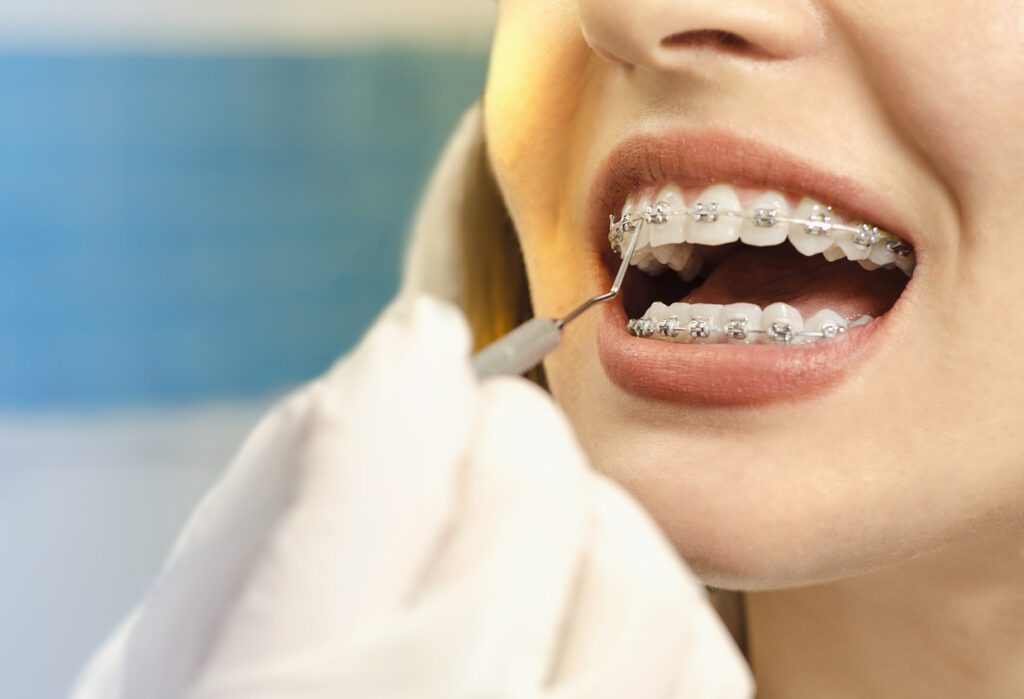
- Traditional braces to gradually move teeth into proper alignment
- Clear aligners for eligible patients seeking a more discreet option
- Space maintainers for children who lose baby teeth prematurely
- Retainers to maintain tooth position after orthodontic treatment
- Restorative dentistry, such as crowns or bridges, when missing or damaged teeth affect the bite
In some complex cases involving significant jaw discrepancies, oral and maxillofacial surgery may be recommended in conjunction with orthodontic treatment.
Prevention and Treatment:
- Early orthodontic evaluation for children can prevent severe issues later.
- Orthodontic treatments like braces or clear aligners can correct misalignment.
- Wear retainers as directed after treatment to maintain results.
- Regular dental checkups ensure your bite remains healthy and functional.
Additional Common Dental Issues to Watch For
While the eight conditions above are among the most common reasons people visit the dentist, they’re not the only oral health concerns that can affect your smile. Some dental problems develop suddenly, while others progress gradually over time. Recognizing the warning signs and seeking prompt treatment can help prevent complications and preserve your oral health.
- Cracked or Chipped Teeth: A cracked or chipped tooth can occur after biting down on hard foods, sustaining a sports injury, grinding your teeth, or experiencing normal wear and tear over time. Some cracks are minor and only affect the outer enamel, while others extend deeper into the tooth and require immediate treatment.
- Wisdom Teeth Problems: Wisdom teeth, also called third molars, are the last permanent teeth to erupt, typically between the ages of 17 and 25. While some people have enough room for their wisdom teeth to come in normally, many experience problems due to lack of space.
- Temporomandibular Joint (TMJ) Disorders: The temporomandibular joints (TMJs) connect your lower jaw to your skull, allowing you to chew, speak, and yawn. Problems affecting these joints or the surrounding muscles are known as TMJ disorders (TMD).
- Mouth Sores: Most people experience a mouth sore at some point. While many sores heal on their own within one to two weeks, some may require professional evaluation. Persistent sores should always be evaluated to rule out more serious conditions.
- Oral Cancer Warning Signs: Although oral cancer is less common than cavities or gum disease, early detection greatly improves treatment outcomes. Regular dental examinations include an oral cancer screening, allowing dentists to identify suspicious changes before symptoms become advanced.
Many dental problems become easier and less expensive to treat when they’re identified early. If you experience persistent tooth pain, jaw discomfort, swelling, unusual sores, or changes in your mouth that don’t improve, don’t wait for the symptoms to worsen.
Routine dental checkups allow your dentist to monitor your oral health, identify problems before they become emergencies, and recommend treatment to help keep your smile healthy for years to come.
What to do when experiencing dental problems
Even with the best preventive care, dental issues can still occur. Acting quickly is key to avoiding complications and preserving your oral health. If you experience tooth pain, bleeding gums, persistent bad breath, or sensitivity:
- Schedule a dental appointment as soon as possible. Early treatment prevents worsening conditions.
- Follow your dentist’s home care recommendations, including prescribed rinses or medications.
- Maintain consistent oral hygiene routines, even if discomfort makes brushing difficult. Your dentist can suggest gentle techniques.
- Attend all follow-up visits to monitor healing and prevent recurrence.
Take Control of Your Oral Health Today
Taking care of your dental health goes beyond just brushing and flossing daily. By understanding common dental problems and following preventive measures, you can maintain a healthy smile for years to come. Just as importantly, don’t ignore changes in your oral health. Seeking professional care early can help preserve your teeth, prevent more extensive treatment, and protect your overall health.
At Village Family Dental, we offer friendly and compassionate general and specialty dentistry services for patients in the Eastover, Fayetteville, Hope Mills, Laurinburg, Raeford, and St. Pauls areas and beyond.
Ready to protect your oral health? Schedule your next dental check-up today and invest in a healthier, happier smile. Together, we can help you prevent dental problems before they start and keep your smile healthy for years to come.