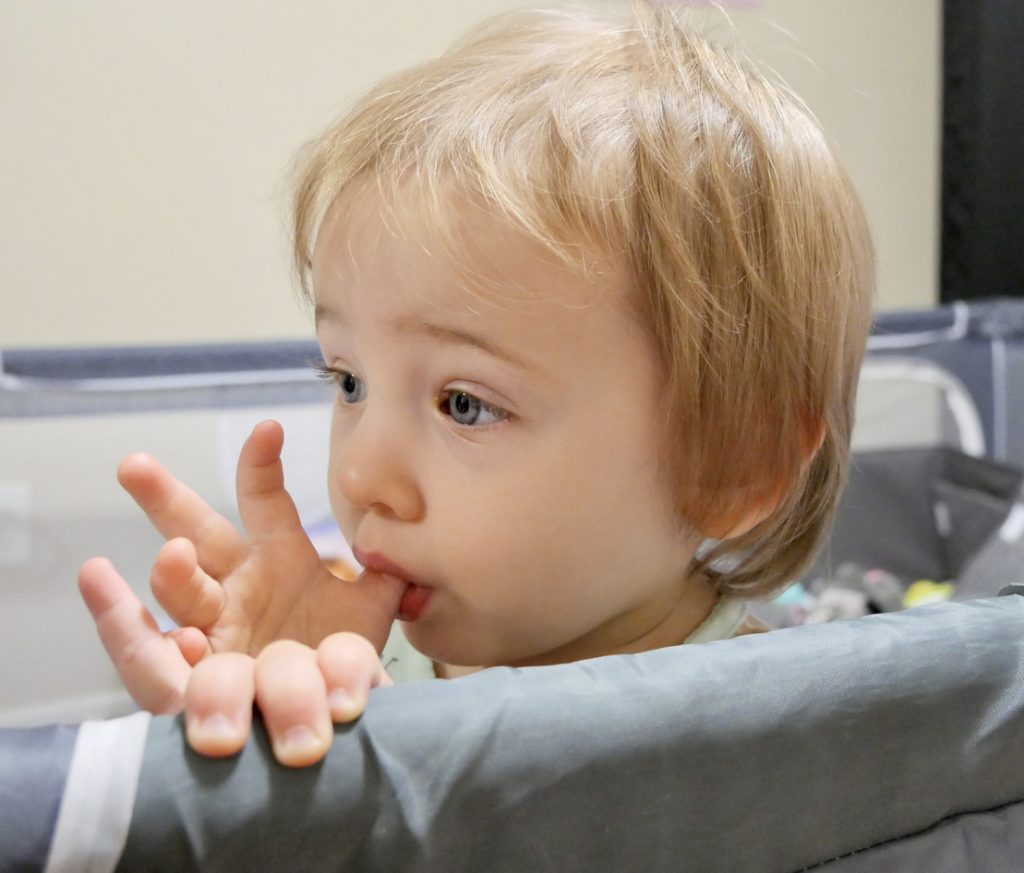
Thumb sucking cessation is a structured behavioral and dental intervention that helps children break long-term oral habits. By utilizing positive reinforcement, physical barriers, and custom orthodontic habit appliances, pediatric dentists prevent permanent damage to a child’s jaw arch, bite alignment, and speech development before adult teeth erupt.
The Psychology Behind Thumb Sucking
Medical literature supports the notion that thumb sucking serves a self-soothing and regulatory function for children [1] (Staufert et al., 2026). For infants, sucking is a natural, biological survival reflex. But as your child grows, thumb sucking transitions from a reflex into a powerful emotional coping mechanism. When a child sucks their thumb, their brain releases a rush of endorphins and dopamine. This is exactly why nagging, scolding, or pulling their hand away usually backfires. If you yell at your child to remove their thumb, you increase their anxiety. Because their brain is hardwired to soothe anxiety by sucking, your scolding actually triggers their urge to do it more. At Village Family Dental, we help parents shift from a punitive mindset to a partnership mindset. We identify the root emotional triggers so we can replace the thumb with a healthier coping tool.
How Thumb Sucking Alters Your Child’s Jaw
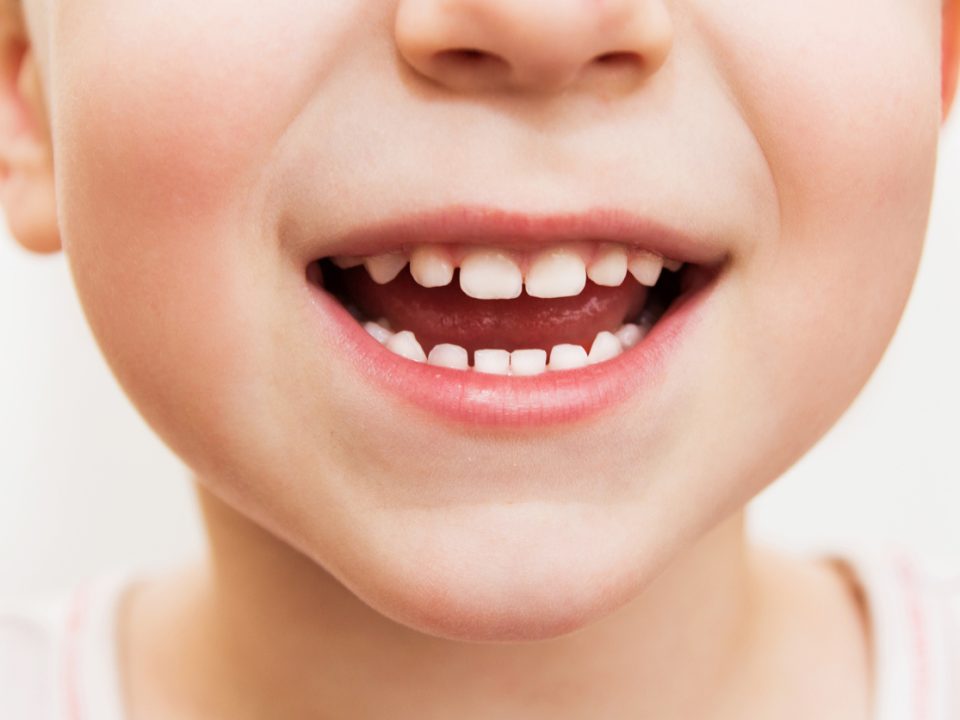
Clinical evidence suggests that thumb sucking can significantly affect jaw growth and lead to malocclusion in children [2] (Sadoun et al., 2024). Think of a thumb as a stubborn, unwanted orthodontic appliance. The roof of a young child’s mouth, known as the palate, is incredibly soft and pliable. When a thumb rests against the roof of the mouth for hours a day, it acts like a wedge. The constant upward suction physically reshapes the bone, pushing the upper front teeth forward and the lower front teeth backward. Over time, this creates an “open bite.” If your child bites down, you will notice a distinct gap between their upper and lower front teeth where the thumb usually sits. This gap does not just affect their smile; it alters their daily function. An open bite forces your child’s tongue forward when they swallow or speak, often causing a permanent lisp. If the habit is not stopped by age five, this temporary childhood quirk can transform into a permanent structural defect that requires years of complex braces to correct.
At-Home Thumb Sucking Cessation Tips
Breaking a subconscious habit takes patience and a solid game plan. Before we introduce dental appliances, we highly recommend trying these structured, positive-reinforcement strategies at home:
- Swap the Triggers: Pay close attention to when the thumb goes into the mouth. Is it while watching TV? Give them a specific, textured stuffed animal to hold with both hands while they fall asleep.
- The Praise-First Approach: Ignore the bad and heavily praise the good. Create a visual sticker chart on your refrigerator. Every time you notice your child watching a movie or reading a book without their thumb, praise them loudly. Offer a high-value reward after a week of thumb-free success.
- Physical Reminders: For children who suck their thumbs in their sleep, conscious willpower will not work. Before bed, place a clean athletic sock or a specialized fabric thumb guard over their hand.
Table comparing thumb sucking solutions
| Intervention type | Primary mechanism | Cost | Durability | Maintenance level |
| At-home Reminders | Sticker charts | Free | Low | Very High |
| Bitter nail polish | Bad taste | Very low | Temporary | High |
| Nighttime thumb guards | Fabric barrier | Low | Moderate | Moderate |
| Orthodontic habit crib | Physically blocks the mouth | Moderate | Permanent until removed | Low |
The Orthodontic Habit Crib
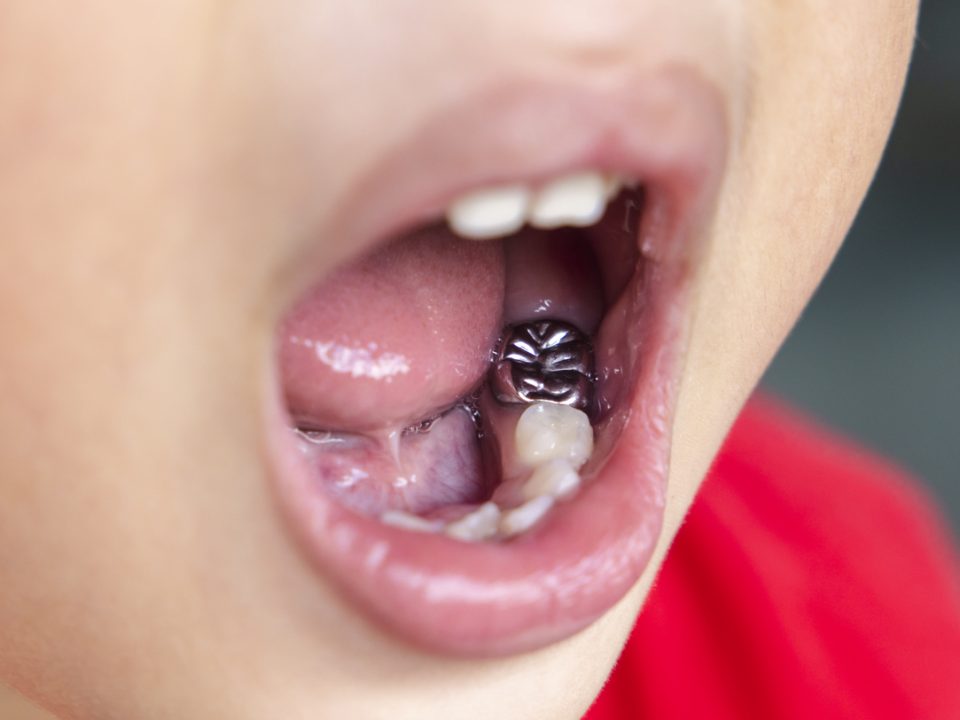
Clinical literature supports using removable orthodontic habit-breaking appliances to stop sucking habits [3] (Barnawi et al., 2025). When at-home sticker charts and thumb guards are not enough, it is time for clinical support. Your first step is scheduling a “Tooth Helper” visit at our Raeford clinic. Often, a child needs an authority figure other than their parents to explain the situation. Our pediatric specialists use fun, non-threatening language to explain how the thumb is pushing their teeth out of place. If they still struggle to stop, we utilize an Orthodontic Habit Crib. This small, custom-fitted metal appliance is gently cemented behind your child’s upper front teeth. When the child puts their thumb in their mouth, the crib prevents the thumb from sealing against the roof of the mouth. Without that tight seal, the comforting suction is gone. Because the pleasure of the habit is removed, most children lose the desire to suck their thumb within a matter of days.
Navigating the Costs of Cessation Interventions in Raeford
As a parent, your goal is to protect your child’s health without draining your household budget. The reality is that investing in a thumb-sucking cessation appliance today is the most cost-effective way to avoid a $5,000 orthodontic bill later. At Village Family Dental, we make interceptive care highly accessible. For military families stationed at Fort Liberty, the TRICARE Dental Program frequently covers interceptive appliances when they are deemed medically necessary to prevent severe bite misalignment. We also proudly accept NC Medicaid, which covers preventative devices that protect your child’s developing jaw. If you are uninsured, you do not have to worry. We accept CareCredit, which allows you to finance the cost of a habit crib into low, interest-free monthly payments. You can also utilize our VFD Membership Plan to bypass insurance wait times entirely and instantly unlock fixed percentage discounts on your child’s specialty appliances.
FAQs
1. At what age should a child stop sucking their thumb?
Most children naturally outgrow the habit between the ages of two and four.
2. Does thumb sucking cause an overbite?
Yes. The constant upward and outward pressure of the thumb physically pushes the upper front teeth forward and the lower teeth backward.
3. Do thumb sucking dental appliances hurt?
Not at all. The fitting process is entirely needle-free and uses simple digital impressions. Once the habit crib is placed, your child might speak with a slight lisp or feel a minor tightness for the first 48 hours, but it is completely painless.
References
[1] Staufert Gutierrez D, Daley SF, Carugno P. Thumb Sucking and Other Nonnutritive Sucking Habits in Children. [Updated 2026 Apr 19]. In: StatPearls [Internet]. Treasure Island (FL): StatPearls Publishing; 2026 Jan-. Available from: https://www.ncbi.nlm.nih.gov/books/NBK556112/
[2] Sadoun C, Templier L, Alloul L, et al. Effects of non-nutritive sucking habits on malocclusions: a systematic review. J Clin Pediatr Dent. 2024;48(2):4-18. doi:10.22514/jocpd.2024.029
[3] Barnawi, B. M., Al Rashidi, W. A., Al Qahtani, R. A., Alotaibi, N. A., Hejji, A. H. A., Balkhy, A. H., Al Ghashmari, B. A. S., Baqies, B. M., Alghamdi, R. A., Alsaedi, N. A., Basaad, D. S., & Alzahrani, M. A. (2025). Comparative Efficacy of Fixed Versus Removable Habit-Breaking Appliances for the Management of Non-nutritive Sucking Habits: A Systematic Review. Cureus, 17(12), e99043. https://doi.org/10.7759/cureus.99043