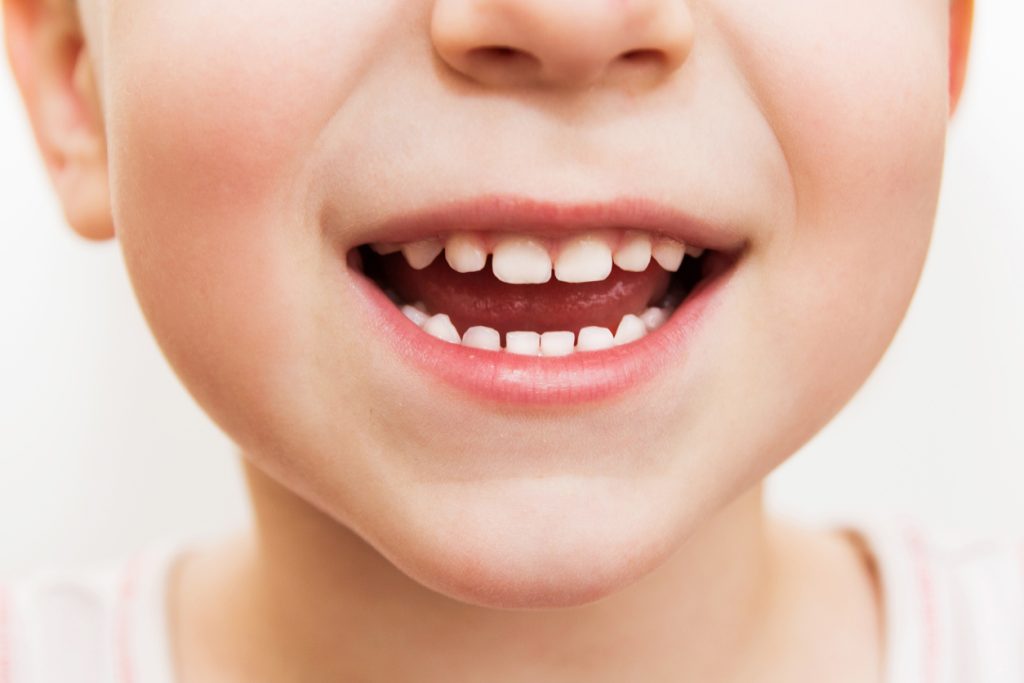
Treating pediatric gum swelling is a specialized emergency dental service that diagnoses and resolves soft-tissue infections, including food impaction, eruption cysts, and bacterial abscesses. Immediate clinical intervention safely drains the infection, relieves pressure, and prevents the dangerous spread of bacteria to your child’s developing jawbone and bloodstream.
How to Triage Gum Swelling at Home
While you are waiting for your same-day emergency appointment at our St. Paul’s clinic, how you manage your child’s swelling at home can significantly reduce their pain. First, keep their head elevated. When a child lies flat, blood rushes to their head, increasing the throbbing pressure in an infected gum. Prop them up with extra pillows on the couch or in bed. Next, use cold, never heat. Apply a cold compress or an ice pack wrapped in a towel to the outside of their cheek for 15 minutes at a time. Never place a warm heating pad on a swollen jaw; heat draws the bacterial pus outward and can cause the infection to spread into the cheek tissue. Finally, stick to a strict liquid diet, such as water or clear broth, to ensure no new food debris gets lodged in the irritated gum.
When Swelling Becomes Dangerous
As a parent, knowing the difference between a localized dental issue and a systemic medical emergency is vital. A standard gum boil stays confined to the tissue right next to the tooth. However, if the bacteria from an abscess break past the gumline, it can cause Facial Cellulitis. This is when the infection spreads into the soft tissues of the face. Check your child for these immediate red flags:
- Swelling that extends down their neck or up toward their eye.
- Swollen, tender lymph nodes directly under their jawbone.
- A sudden high fever (over 101°F).
- Lethargy or complaining that it is difficult to swallow or breathe.
If you notice any of these systemic signs, the infection is trying to enter the bloodstream. Call our St. Paul’s emergency triage line immediately, or head to the nearest pediatric ER in Robeson County for further medical management (including possibly IV antibiotics).
Pain-Free Tissue Laser Therapy
Medical literature supports that the laser is revolutionizing dentistry with precision, minimally invasive interventions, and the ability to stimulate rapid healing [1](Sachelaire et al., 2024). The phrase “draining an infection” sounds intimidating, especially for a child. However, pediatric dentistry has evolved drastically. At Village Family Dental, we replace traditional scalpels with advanced Soft Tissue Lasers. If your child has a severe gum pocket or an infected cyst, we use a highly focused, microscopic beam of light to gently vaporize the infected tissue. The laser sterilizes the bacterial pocket and simultaneously cauterizes the gum tissue. This means there is virtually zero bleeding and no need for stitches. Because the laser seals the nerve endings as it moves, your child experiences significantly less post-operative soreness. It is a quiet, fast, and virtually painless way to clear an infection, ensuring your child leaves our St. Paul’s office with a smile instead of tears.
Table comparing treatments for swollen gums
| Treatment type | Best for | Cost | Durability | Maintenance level |
| Warm saltwater rinse | Minor gum irritation | Free | Short-term | High |
| Foreign object removal | Trapped food | Low | Permanent | Low |
| Abscess drainage | Infected tooth nerve | Moderate | Until the tooth falls out | Routine 6-month checks |
| Emergency extraction | Severely decayed tooth | Moderate | Permanent | High |
Gum Swelling Caused by Braces
Clinical evidence suggests that in cases of excessive orthodontic enlargement, timed surgical procedures to reduce tissue to normal contour will yield maximum benefit for quality of life [2] (Shirbhate et al., 2023). Not all gum swelling is caused by a rotting tooth. If you have a teenager attending St. Paul’s High School who currently wears braces, you might notice their gums looking incredibly puffy, red, and swollen right above their metal brackets. This is a condition known as Gingival Hyperplasia. When plaque is not properly brushed away from the orthodontic wires, the gum tissue reacts to the trapped bacteria by becoming inflamed and physically growing over the braces. Although it may look alarming, it is usually not a true abscess. Our team can quickly diagnose this issue. We provide specialized deep cleanings to remove the hardened plaque around the brackets and prescribe clinical-grade antimicrobial mouthwashes to shrink the gums back to their normal, healthy size without disrupting their orthodontic progress.
The 48-Hour Recovery Protocol
Once we successfully treat the abscess and send you home in St. Paul’s, the healing process officially begins. To guarantee the infection does not return, we require parents to follow a strict 48-hour recovery protocol:
- The Toothbrush: The toothbrush your child used yesterday is covered in the bacteria that caused the abscess. Throw it in the trash immediately and start fresh with a brand-new, soft-bristled brush.
- Saltwater Rinses: While we do not recommend aggressive rinsing before an abscess is drained, warm saltwater rinses are highly encouraged after the procedure. The salt acts as a natural antibacterial agent and soothes the healing gum tissue. Clinical literature supports that saltwater rinses are as efficient as 0.12% chlorhexidine in reducing inflammation [3] (Gupta et al., 2021).
- Antibiotics: If our pediatric specialists prescribe an antibiotic, your child must take every single dose. Even if the swelling disappears by day two and your child feels perfectly fine, stopping the medication early allows the strongest bacteria to survive, leading to a much more aggressive infection a few weeks later.
FAQs
1. Why is there a pimple on my child’s gum?
A pimple on the gum, clinically known as a parulis or dental fistula, is a warning sign of an active bacterial infection. It means that a cavity has traveled deep into the tooth’s nerve, and the resulting infection is attempting to drain pus out through the gum tissue. It requires immediate professional treatment.
2. Can I pop a gum boil on my toddler?
No, you should never pop or squeeze a gum boil. Home lancing introduces new bacteria from your hands and can push the existing infection deeper into the jawbone or bloodstream, leading to a life-threatening systemic infection.
3. Does NC Medicaid cover abscess drainage in St. Paul’s?
Yes. Treating a severe infection, such as a dental abscess, is classified as a medical necessity. NC Medicaid will cover the emergency exam, digital X-rays, drainage, and any necessary restorative work (such as an extraction or pulpotomy) to keep your child safe.
References
[1] Sachelarie, L., Cristea, R., Burlui, E., & Hurjui, L. L. (2024). Laser Technology in Dentistry: From Clinical Applications to Future Innovations. Dentistry journal, 12(12), 420. https://doi.org/10.3390/dj12120420
[2] Shirbhate, U., Bajaj, P., Solanki, D., Dare, S., & Sarangi, S. (2023). Management of Orthodontic-Induced Gingival Enlargement: A Case Report. Cureus, 15(10), e47660. https://doi.org/10.7759/cureus.47660
[3] Gupta S, Jain A, Singla M. Is saltwater mouth rinse as effective as chlorhexidine following periodontal surgery?. Evid Based Dent. 2021;22(4):130-131. doi:10.1038/s41432-021-0227-6