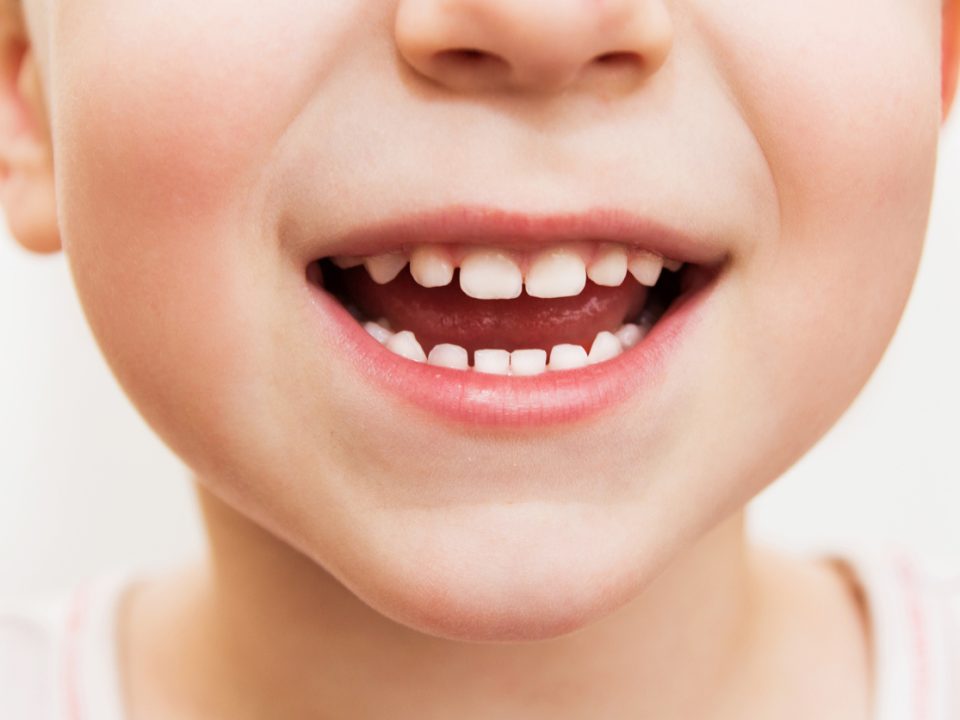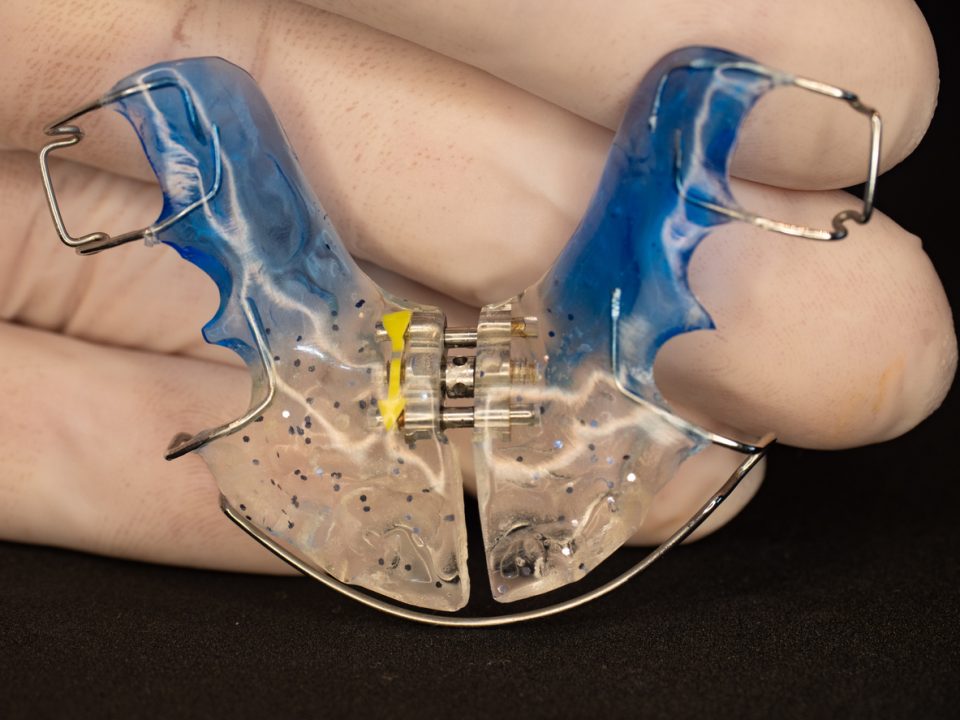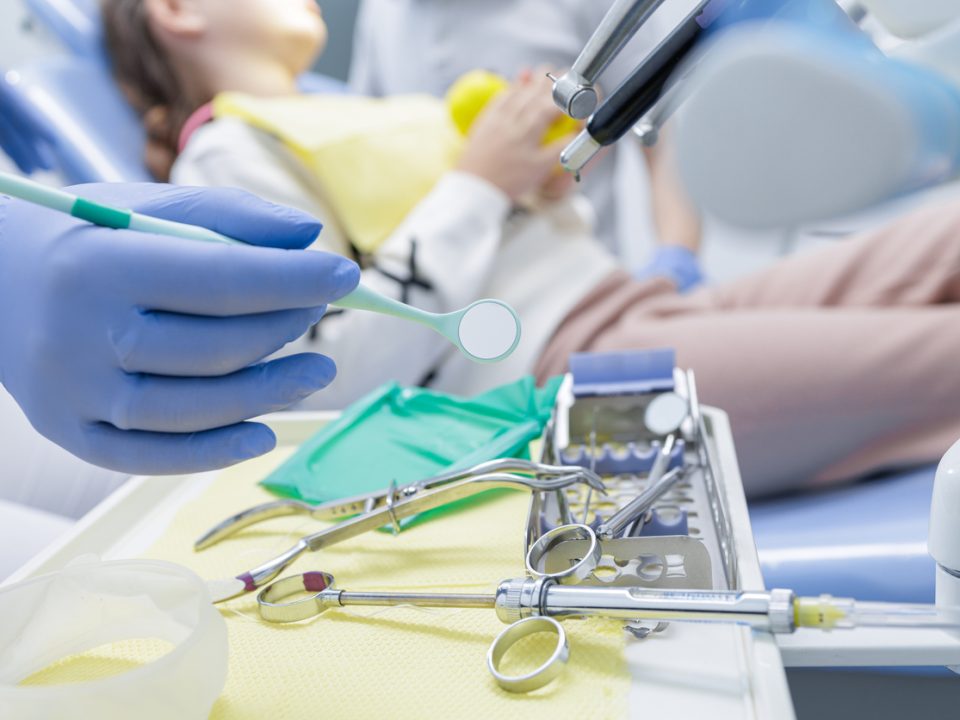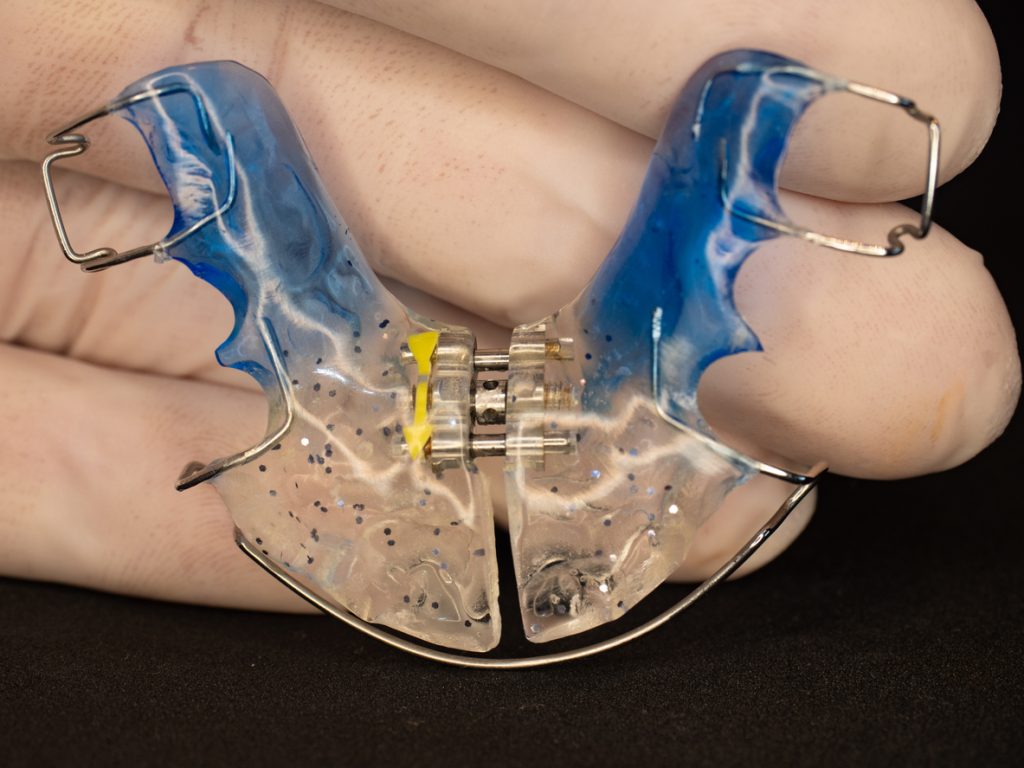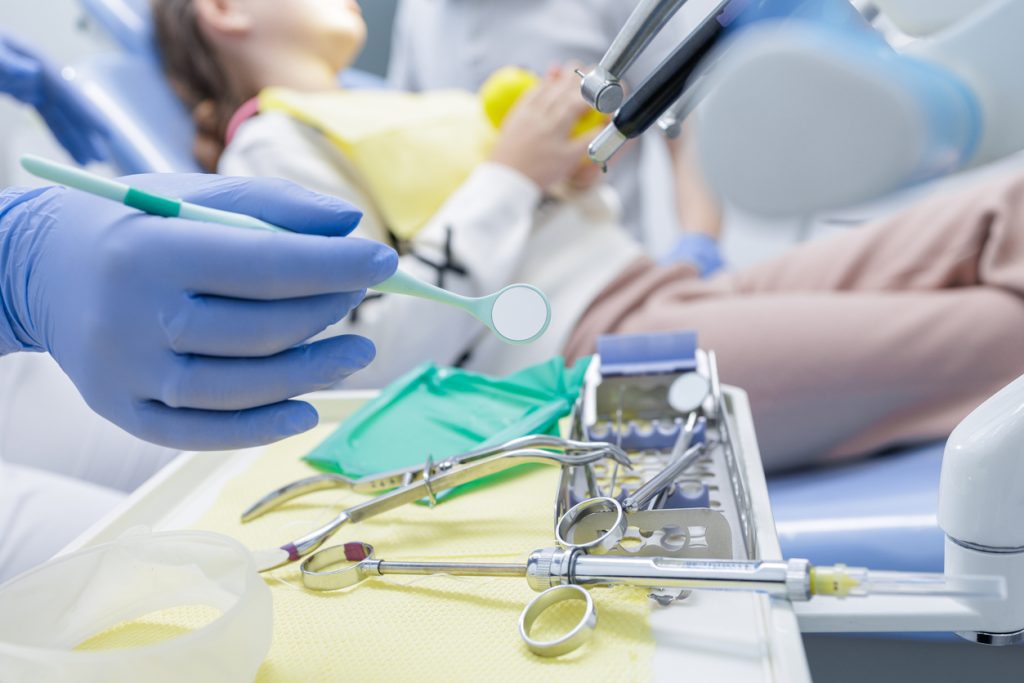

An emergency pediatric dental appointment in North Carolina is an immediate, same-day clinical visit designed to diagnose and treat acute oral trauma, severe toothaches, or dangerous facial swelling in children. At Village Family Dental, these prioritized scheduling slots ensure rapid pain relief, clinical triage, and specialized preventive care.
How to keep your child calm during a dental emergency
When a dental emergency strikes, your child will immediately look to you for their emotional cues. As the parent, managing the emotional temperature of the room is just as important as getting to the clinic. First, take a deep breath and keep your voice steady and low. If there is bleeding from a bitten lip or bumped gum, gently rinse the area with warm water and apply a cold compress wrapped in a soft cloth. Reassure them that you are going to see their “friend” at the dental office, who knows exactly how to make the pain go away. On the drive to our Fayetteville clinic, distract them with their favorite music or a beloved stuffed animal. A calm parent makes for a much smoother, faster triage process once you arrive.
School and Daycare Dental Accidents
Many pediatric dental emergencies do not happen in the safety of your living room; they happen on the playground at school or during a daycare recess. Getting the call from the school nurse while you are at work is incredibly stressful. If this happens, clear communication is your best tool. First, ask the school nurse to assess the bleeding and locate any broken tooth fragments. If a piece of the tooth broke off, ask them to place the tooth in a small cup of milk or saline to bring with you. Clinical evidence supports that keeping fragmented teeth in milk and saliva can increase the required force to fracture teeth [1] (Shirani et al., 2011). Next, tell the school you are heading straight to Village Family Dental. To save time in the future, we highly recommend listing our Fayetteville or Hope Mills clinics as your child’s emergency contact on their back-to-school emergency contact forms. This allows school staff to coordinate with our triage team while you are still driving to pick up your child.
Table comparing triage of emergency and urgent care
| Feature | Dental emergency | Urgent dental need | Routine care |
| Examples | Facial swelling | Chipped baby tooth | Exams, sealants, and cleanings |
| Response time | Same-day | Next-day | Scheduled months out |
| Action required | Call the clinic immediately | Call for the next available | Book online |
| Cost | Partial insurance coverage | Partial insurance coverage | Fully covered |
What to bring to your child’s emergency dental appointment
If possible, grab these three things before you leave:
- Identification & Insurance: Bring your ID and your child’s active NC Medicaid, NC Health Choice, or TRICARE Dental card.
- Medical History: Be ready to list any current medications your child is taking and any known allergies.
- A Comfort Item: Bring a favorite blanket, tablet, or plush toy. Familiar items from home provide a significant psychological anchor for a child in a new, clinical environment.
Preventing common dental emergencies
In Cumberland County, the vast majority of pediatric dental trauma occurs during organized sports and summer activities. If your child plays youth sports near Fort Liberty or South View, skip the bulky, store-bought mouthguards. Children sometimes do not enjoy wearing them because they make it hard to breathe and talk. Instead, invest in a custom-fitted athletic mouthguard from our clinic. They absorb high-impact shocks and fit so comfortably that your child will actually keep them in their mouth. Additionally, remind your kids about pool safety during the North Carolina summers. Running on wet concrete can cause chipped front teeth. Children can also experience pain from cavities, which can lead to a dental emergency. Clinical research supports that dental caries is the main cause of emergency or pain-related dental visits for children [2] (Shahin et al., 2025).
Follow-up care after a dental emergency
A same-day emergency appointment is designed to stop the pain, stabilize the tooth, and prevent infection. However, the healing process continues long after you leave our office. Medical literature supports that patients should follow up in 2 and 12 months so that a dentist can assess the integrity of a tooth restoration [3] (Garispe et al., 2022). Before you head home, our pediatric specialists will give you a customized recovery roadmap. For the first 24 to 48 hours, your child will likely need to stick to a soft-food diet to avoid irritating the treated area. We may also prescribe a child-safe antibiotic or recommend specific over-the-counter pain relievers. Most importantly, we will schedule a short follow-up visit for the following week. This allows us to ensure the gums are healing properly, the tooth nerve is recovering, and your child is back to their happy, pain-free self.
FAQs
1. Can I get a same-day pediatric appointment in Fayetteville?
Yes. Village Family Dental reserves dedicated emergency blocks in our daily schedule. If your child is experiencing severe pain, swelling, or trauma, call our Fayetteville office immediately, and our triage team will work to get your child seen that exact same day.
2. What should I do if my child gets a severe toothache after hours?
If a severe toothache or facial swelling occurs late at night, you can call our main line for on-call instructions. If the swelling is affecting your child’s ability to swallow or breathe, head to the nearest pediatric urgent care or emergency room immediately, and follow up with our dental office the next morning.
3. Does Medicaid or TRICARE cover emergency tooth extractions in NC?
Yes. Both NC Medicaid (formerly NC Health Choice) and TRICARE provide comprehensive coverage for medically necessary emergency treatments, including diagnostic X-rays and emergency tooth extractions to resolve severe infections or trauma.
References
[1] Shirani, F., Malekipour, M. R., Tahririan, D., & Sakhaei Manesh, V. (2011). Effect of storage environment on the bond strength of reattachment of crown fragments to fractured teeth. Journal of conservative dentistry : JCD, 14(3), 269–272. https://doi.org/10.4103/0972-0707.85813
[2] Shahin, M., Schmoeckel, J., Splieth, C., & Mourad, M. S. (2025). Cross-sectional Analysis of Emergency Dental Pediatric Patients and Proposal of Guidance for Clinical Management. Journal of International Society of Preventive & Community Dentistry, 15(1), 50–60. https://doi.org/10.4103/jispcd.jispcd_124_24
[3] Garispe A, Sorensen C, Sorensen JR. Dental Emergencies. [Updated 2022 Dec 7]. In: StatPearls [Internet]. Treasure Island (FL): StatPearls Publishing; 2026 Jan-. Available from: https://www.ncbi.nlm.nih.gov/books/NBK589664/