Pediatric toothache pain relief includes safe, immediate at-home steps such as warm saltwater rinses, gentle flossing, and weight-appropriate over-the-counter analgesics to temporarily ease a child’s discomfort. These immediate steps stabilize the pain until you can secure a same-day emergency appointment at Village Family Dental for definitive clinical repair.
Decoding tooth pain in children
When your child is crying, they often lack the vocabulary to explain exactly what they are feeling. However, identifying the specific type of pain helps you communicate more effectively with our triage team at Village Family Dental. Here is a quick guide to decoding their discomfort:
- Sensitivity to Sweets or Cold: If your child only complains of pain right after eating ice cream or drinking a sugary juice, this is typically tooth decay.
- A Dull Ache: This usually points to food tightly wedged between the teeth irritating the gumline, or a low-grade cavity that is aggravating the nerve.
- Intense Pain: If the pain feels like a heartbeat in the tooth and radiates to the ear or jaw, it may mean bacterial decay has reached the tooth’s inner pulp, causing an active infection.
- Sharp Pain When Chewing: If it only hurts when they bite down, they may have a cracked tooth or a loose filling.
Why do toothaches seem to occur at night?
During the day, your child is sitting up or running around in Cumberland County. But when they lie flat in bed, blood flow naturally shifts toward their head and face. If a tooth is already battling a bacterial infection, this sudden rush of blood increases the swelling and pressure on the tiny, trapped dental nerve. Furthermore, the quiet environment of a dark bedroom removes all daytime distractions, leaving pain as the only thing your child can focus on. Propping their head up with an extra pillow before bedtime is the best way to counteract this nighttime blood rush.
The Hidden Dangers of waiting for dental treatment
Many parents try to simply manage the pain with ibuprofen for a few weeks, hoping the tooth will become loose on its own. This watch-and-wait approach is incredibly dangerous for your child’s systemic health. If left untreated, the infection will travel down the root of the baby tooth and attack the permanent adult tooth developing directly beneath it in the jawbone. This can cause permanent discoloration or structural defects in their future smile. Worse, pediatric dental infections can rapidly spread into the surrounding cheek and neck tissue, which can lead to a facial abscess. What could have been fixed with a quick, affordable 15-minute filling at our Raeford clinic can quickly escalate into a costly hospital visit for IV antibiotics.
Table comparing at-home relief and clinical repair
| Treatment | Goal | Cost | Durability | Maintenance level |
| Warm saltwater | Reduce swelling | Free | 1-2 hours | Continuous re-application |
| OTC ibuprofen | Block pain receptors | Very low | 4-6 hours | Strict dosage monitoring |
| Pediatric filling | Repair tooth decay | Low | 5-7 years | Standard brushing |
| Pulpotomy | Remove infected nerve tissue | Moderate | Until the tooth falls out | Regular 6-month check-up |
How Our Clinic Handles a Pain-Free Repair
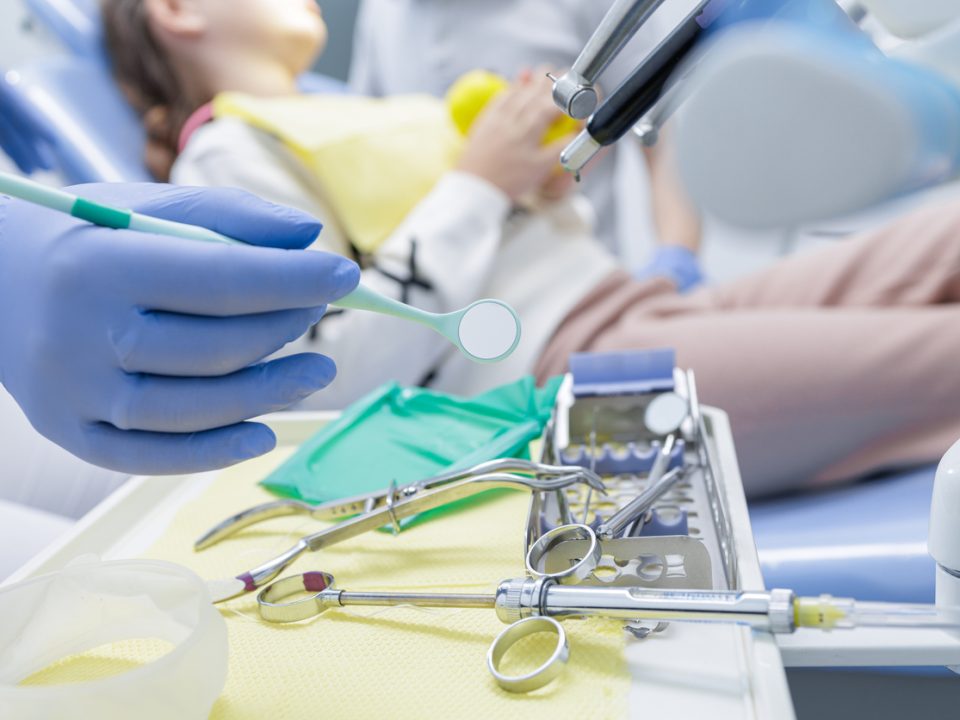
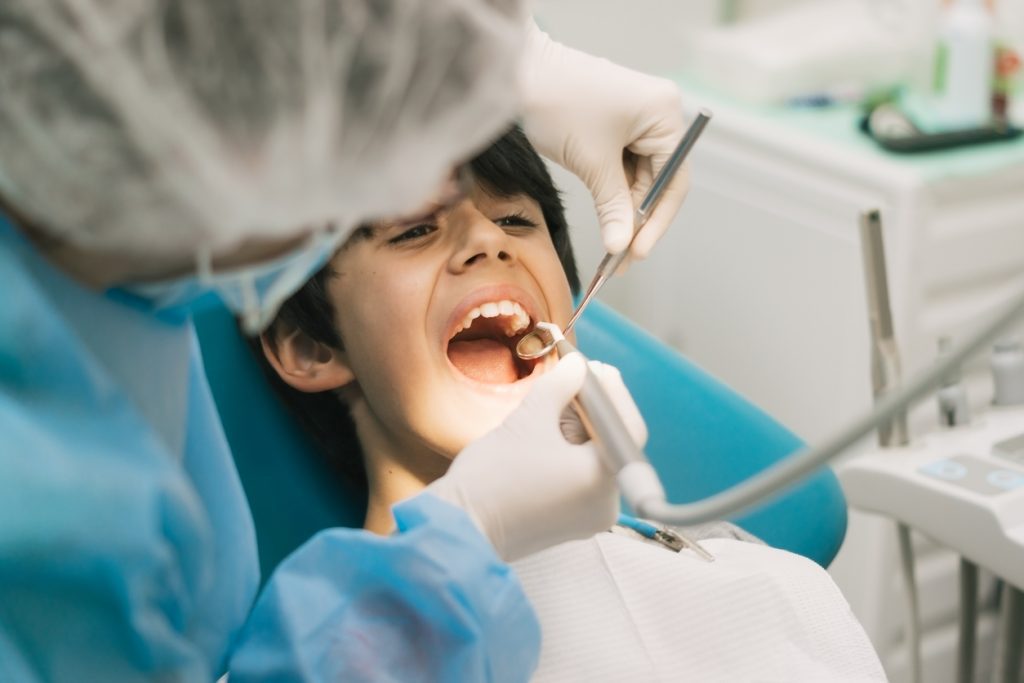
We know that parents often delay making an emergency appointment because they fear the treatment will traumatize their child. At Village Family Dental, we have completely redesigned the emergency clinical experience to eliminate fear and physical discomfort. When you bring your child in, we do not jump straight to drills or needles. We use the Tell-Show-Do behavioral method to explain every step using non-threatening language. Medical literature supports that the tell-show-do method can lower dental trauma 1] (Arhakis et al., 2017). To guarantee a pain-free repair, we first apply a clinical-strength, fruit-flavored topical gel that completely numbs the gums. If your child is highly anxious, we offer safe, mild sedation options like Nitrous Oxide. This allows them to remain awake but deeply relaxed, replacing their panic with a cozy, floaty sensation. Your child will leave our office feeling like a brave superhero, entirely free from the pain they walked in with.
Steps to prevent toothaches in children
Clinical literature supports that the most effective way to prevent tooth decay is to brush regularly and use fluoride to strengthen teeth [2] (Informed Health, 2006). Nothing is better than preventing a toothache in the first place. Once we resolve the emergency, we partner with you to build a preventive routine tailored to your environment. Many families living in the rural areas surrounding Hope Mills and Raeford rely on private well water, which lacks the enamel-hardening benefits of municipal fluoride. To counteract this, we provide highly concentrated professional fluoride varnishes during your child’s routine six-month cleanings. Additionally, we highly recommend dental sealants for their back molars. This quick, painless procedure coats the deep grooves of their teeth with a microscopic protective shield, blocking out the sugars and bacteria that cause 80% of childhood cavities. By moving from a reactive mindset to a proactive one, you protect your child’s health and your family’s budget.
FAQs
1. What should I do if my child has a toothache in Raeford right now?
If your child is in severe pain, use warm saltwater and weight-appropriate ibuprofen to stabilize them at home. Then, call the Village Family Dental emergency triage line immediately. We reserve dedicated, same-day emergency blocks in our Raeford schedule specifically to get children out of pain fast.
2. Can I put Orajel or topical numbing gel on my toddler’s aching tooth?
We do not recommend it. The FDA strongly warns against using topical teething gels containing benzocaine on children under age two due to the risk of a rare but serious blood condition. Stick to oral ibuprofen and cold compresses for young toddlers.
3. What if my child’s toothache suddenly stops hurting the next morning?
Do not cancel your dental appointment! If a severe toothache suddenly disappears, it often means the dental nerve inside the tooth has died completely. The bacterial infection is still active and can quickly spread into the jawbone, which can lead to a dangerous facial abscess.
References
[1] https://doi.org/10.2174/1874210601711010041 Arhakis, A., Athanasiadou, E., & Vlachou, C. (2017). Social and Psychological Aspects of Dental Trauma, Behavior Management of Young Patients Who have Suffered Dental Trauma. The open dentistry journal, 11, 41–47. https://doi.org/10.2174/1874210601711010041
[2] InformedHealth.org [Internet]. Cologne, Germany: Institute for Quality and Efficiency in Health Care (IQWiG); 2006-. Tooth decay: Learn More – Preventing tooth decay in children and teenagers. [Updated 2023 Sep 5]. Available from: https://www.ncbi.nlm.nih.gov/books/NBK279515/