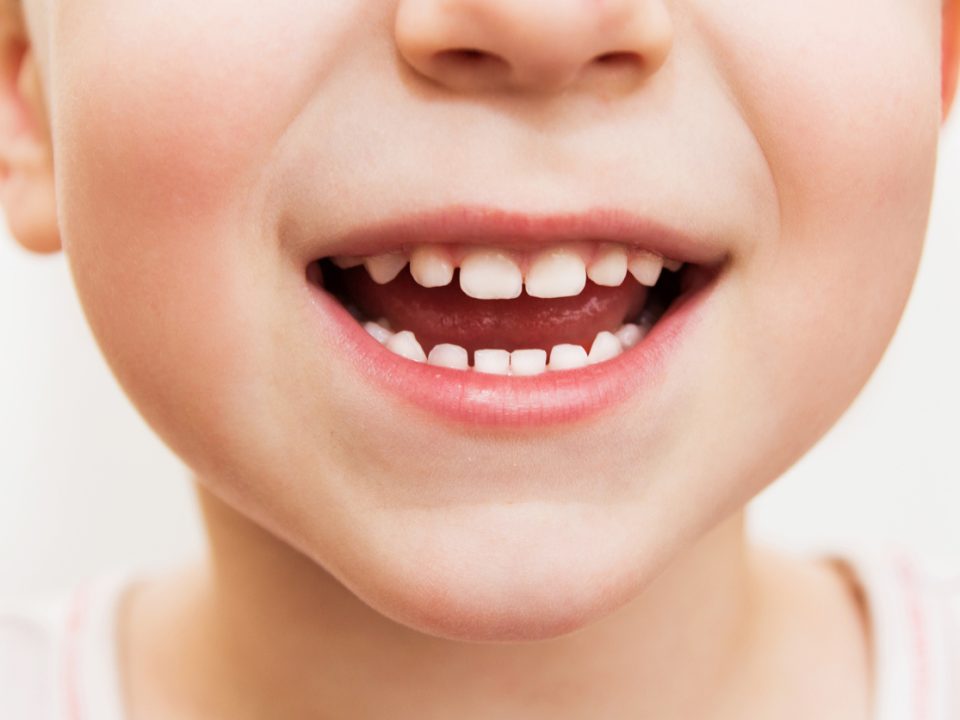
Infant oral hygiene is the daily practice of gently cleaning a baby’s gums and newly erupted primary teeth to prevent early childhood decay. For infants with only one or two teeth, pediatric dentists at Village Family Dental recommend using a soft silicone finger brush and a rice-sized smear of infant-safe fluoride toothpaste.
Lift the lip test for infants
Medical literature supports that white-spot lesions, one of the earliest signs of dental caries, should be taught to parents, caregivers, and doctors using the lift-the-lip approach [1] (Kotha et al., 2023). You do not have to wait for your baby’s first official checkup to monitor their dental health. Pediatric dentists recommend that parents perform the “Lift the Lip” test once a month as soon as those first two teeth erupt. To do this, lay your baby comfortably on their back. Gently lift their upper or lower lip to see the exact line where the new tooth meets the gum tissue. You are looking for a chalky, dull white line running across the base of the tooth. This is the very first sign of decalcification. If you spot this early, it is completely reversible. By simply scheduling a quick visit to our St. Paul’s clinic, we can apply a fast, zero-drilling fluoride varnish to harden the enamel before a cavity ever forms.
Protecting new enamel when introducing solid foods
Right around the time your baby’s first two teeth cut through the gums, your pediatrician will likely give you the green light to introduce solid foods. While pureed fruits and sweet potatoes are fantastic for your baby’s systemic health, they are packed with natural sugars. Because purees are sticky, they cling tightly to the microscopic ridges of brand-new teeth. If left there, bacteria will begin converting those fruit sugars into acid within minutes, as shown by the pH drop. You do not need to stop feeding your baby healthy fruits, but you do need to adjust the cleanup. After a meal of solid purees, offer your baby a few sips of plain water to naturally rinse the mouth, followed by a quick wipe with your silicone finger brush.
What are teething fevers?
Clinical evidence supports a relationship between primary tooth eruption and fevers [2] (A Nemezio et al., 2017). When those first bottom incisors finally push through, the inflammation can cause your baby to feel miserable. Many parents in Robeson County rush to urgent care because they are unsure if their baby’s symptoms are just normal teething or a real medical emergency. This is completely normal for a teething infant to have a mild spike in body temperature (up to 100.4°F), heavy drooling, and mild fussiness. However, true teething does not cause a high fever (101°F or above), severe facial swelling, or bleeding gums. If you notice a bluish-purple bump on the gums where a tooth is trying to erupt, this is likely an eruption cyst. While they look scary, they usually resolve on their own. But if your baby experiences high heat or facial swelling, call our Village Family Dental emergency triage line immediately to rule out an infection.
Table comparing infant and toddler care
| Feature | Infant care | Toddler care |
| Primary tool | Silicone finger brush | Small, soft-bristle toothbrush |
| Toothpaste amount | Grain of rice | Pea-sized |
| Positioning | Cradle hold | Lap-lean method |
| Main dietary threat | Nighttime milk | Sticky snacks and juices |
| Maintenance level | Low | Moderate |
Nighttime Soothing Without Sabotaging the Teeth
Sleep regressions hit hard when new teeth are actively cutting. When your baby wakes up crying at 2:00 AM, the easiest way to soothe them is often a quick nursing session or handing them a bottle. Unfortunately, this creates a dangerous cycle for those two new teeth. When your baby falls asleep, their saliva production naturally drops. Saliva is the mouth’s natural defense mechanism that washes away sugar. Without saliva, the lactose from nighttime milk pools directly over the new lower incisors all night long. If your baby needs to suck for comfort to fall back asleep, transition them to an orthodontically approved pacifier rather than a bottle. Just remember the golden rule: never dip the pacifier in honey, syrup, or gripe water, as this is a leading cause of early childhood tooth decay.
Teeth that Predict Future Arch Development
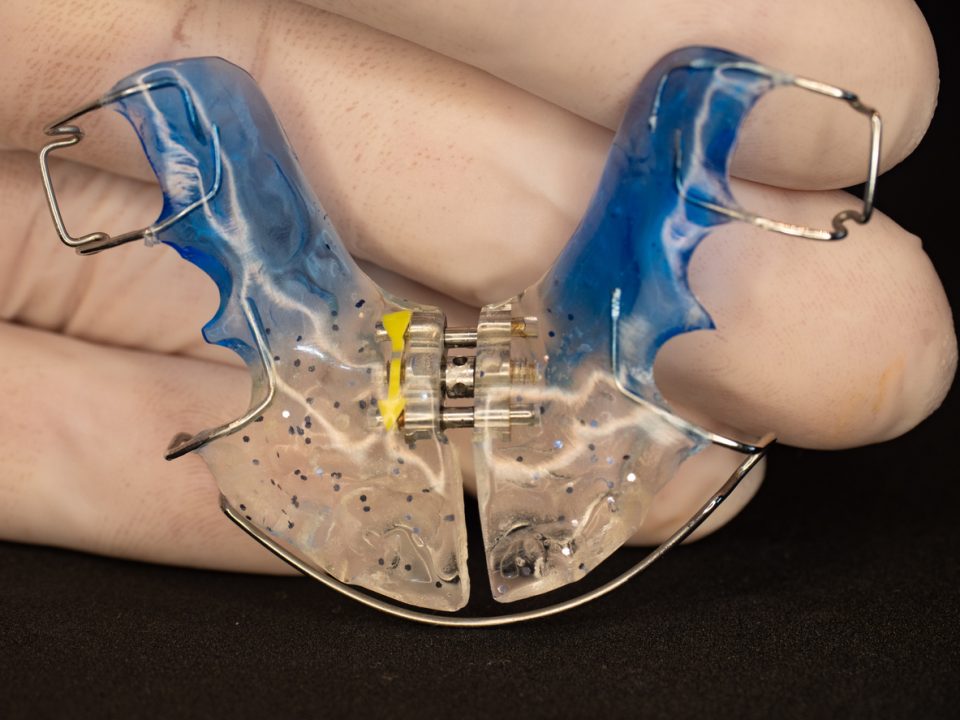
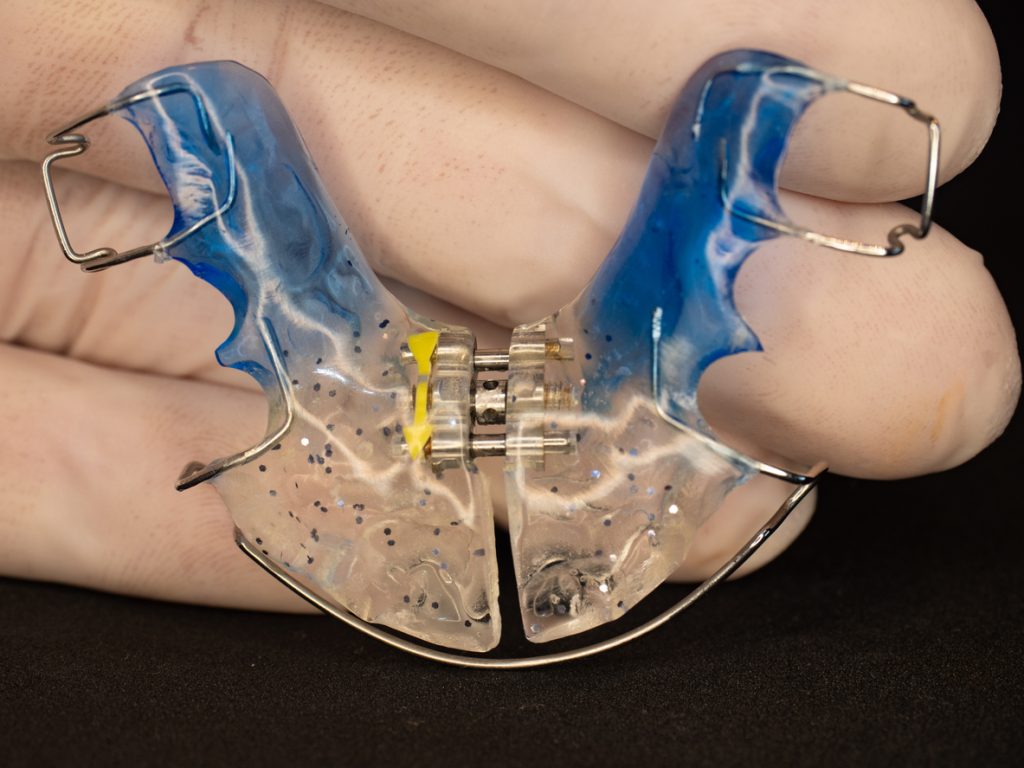
In pediatric dentistry, the first lower incisors act as the biological anchor for your child’s entire jaw. When these two teeth emerge, they begin to stimulate the jawbone, triggering it to widen and grow. They act as placeholders, holding the correct amount of space open for the adult teeth that will not appear for another six years. If these first teeth are lost prematurely to bottle rot, the surrounding gum tissue will shrink, and the jaw arch can collapse inward. By protecting these first two teeth today, you are actively preventing your child from needing expensive palate expanders and complex orthodontic braces when they reach middle school.
FAQs
1. Do I need to brush my baby’s two teeth if they are exclusively breastfed?
Yes. While breast milk is the ultimate superfood for your infant, it still contains natural milk sugars (lactose). If your baby grazes throughout the night, these sugars pool around those two new teeth, creating a breeding ground for bacteria that cause early decay.
2. What if my infant bites my finger while brushing?
Biting is a natural reflex, especially when their gums are aching from teething! If they clamp down on your finger brush, do not pull away sharply. Simply slide your finger toward the back corner of their mouth, where there are no teeth, and they will naturally release their jaw.
3. Should I wake my baby up to brush their teeth after a dream feed?
You do not need to wake a sleeping baby. Instead, try to wipe their teeth and gums with a damp cloth right before the final nighttime feed. If they fall asleep nursing or on the bottle, you can gently lift their lip and quickly, gently wipe their lips with a wet washcloth without fully waking them.
References
[1] Kotha S. B. (2023). Lift the lip: a screening guide among the dental professionals. Frontiers in oral health, 4, 1177251. https://doi.org/10.3389/froh.2023.1177251
[2] A Nemezio, M., Mh De Oliveira, K., C Romualdo, P., M Queiroz, A., Wg Paula-E-Silva, F., Ab Silva, R., & C Küchler, E. (2017). Association between Fever and Primary Tooth Eruption: A Systematic Review and Meta-analysis. International journal of clinical pediatric dentistry, 10(3), 293–298. https://doi.org/10.5005/jp-journals-10005-1453