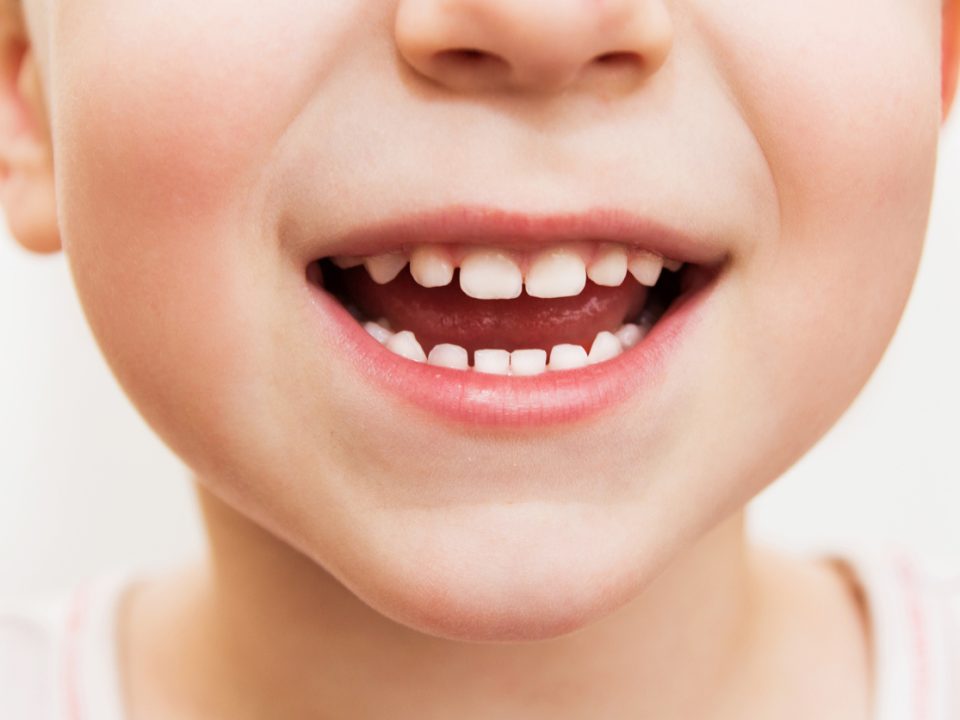
Preventing baby bottle tooth decay is a proactive pediatric dental strategy in North Carolina that involves managing the time sugar has contact with enamel, particularly during sleep. The medical literature supports the conclusion that breastfeeding is more effective at preventing dental caries in early childhood than bottle-feeding [1] (Avila et al., 2015). By eliminating nighttime bottle-propping and implementing early gum hygiene, parents protect primary teeth from acid erosion, premature extractions, and speech development issues.
The dangers of honey-dipping pacifiers
While most parents in the Sandhills area know about the risks of juice in a bottle, many are unaware that pacifiers can also transmit bacteria. Honey-dipping, the practice of coating a pacifier in sugar, syrup, or honey to soothe a fussy infant, is a leading cause of tooth decay. Clinical research suggests that the presence of Streptococcus mutans in an infant’s mouth is often directly linked to the hygiene of their pacifier. At Village Family Dental, we recommend using only orthodontically approved pacifiers and never dipping them in sweeteners. If your child is prone to comfort sucking, try to transition them to a clean pacifier or a favorite security blanket to break the association between soothing and sugar.
How fluoride varnish benefits children
Clinical research supports that fluoride varnishes have a substantial caries-inhibiting effect on both permanent and primary teeth [2] (Marinho et al., 2013). For infants in Hope Mills, fluoride varnish is one of the most effective tools for preventing bottle decay. Unlike the fluoride foams used for older children, the varnish used at Village Family Dental is a highly concentrated, sticky resin that we apply onto your baby’s emerging teeth. The varnish hardens immediately upon contact with saliva, making it difficult for your infant to swallow or lick it off. This medical-grade barrier remineralizes the enamel, making it more resistant to the acids found in formula and breast milk. This quick, 2-minute procedure is a high-value preventive measure that is typically covered at 100% by most insurance plans, providing a cost-effective alternative to future fillings.
How does bottle decay impact a child’s ability to speak
Clinical evidence supports that the extended use of sucking outside of breastfeeding may have detrimental effects on speech development [3] (Barbosa et al., 2009). Many parents ask why we fight so hard to save baby teeth that are destined to fall out. The answer lies in developmental milestones. Your child’s upper front teeth are critical for tongue-tip sounds. If these teeth are lost prematurely to decay, your child may develop a persistent lisp or speech delay that requires expensive therapy. By visiting our Hope Mills office for regular wellness checks, we ensure these placeholders stay healthy and in position until the permanent teeth are ready to erupt.
Transitioning from a bottle to a sippy cup
The American Academy of Pediatrics recommends weaning your child from the bottle by the time they reach their first birthday. For parents, this transition is a vital step in preventing bottle rot. Constant sucking on a bottle nipple keeps sugary liquids pooled against the back of the front teeth longer than a cup does. We suggest introducing a free-flow training cup starting at six months. This helps your infant develop the muscle coordination needed for swallowing. By moving to a cup at age one, you drastically reduce the negative impact on their enamel and help ensure their jaw develops with a healthy, wide arch.
Table comparing oral health and bottles
| Liquid Type | Decay Risk | Maintenance level | Impact on Enamel |
| Plain weather | Zero | Lowest | Hydrates and rinses biofilm |
| Breast milk | Moderate | High | Contains lactose |
| Fruit juice | Highest | Extreme | High acidity |
| Soda | Critical | Not recommended | Causes caries |
Infant hydration and water safety
In the rural areas, many families rely on private well water, which often lacks fluoride needed to harden developing enamel. Conversely, some municipal water sources are perfectly balanced. During your infant’s dental consult at Village Family Dental, we discuss your specific local water source. If your home water is non-fluoridated, we may recommend a specific fluoride supplement or a smear of fluoride toothpaste to compensate. Understanding your local environment is a key part of ensuring your baby’s teeth are built strong from the inside out before they even break through the gums.
FAQs
1. Can breastfeeding at night cause bottle decay?
While breast milk is the gold standard for nutrition, it does contain lactose. If your infant is “grazing” throughout the night once teeth have erupted, the milk can pool around the teeth, leading to decay. We recommend wiping the teeth with a damp cloth after nighttime feedings.
2. My baby only drinks juice diluted with water; is that safe?
Diluting juice reduces the sugar concentration, but it still provides a constant food source for bacteria if sipped over a long period. In North Carolina, we recommend saving juice for mealtimes only and sticking to water in between.
3. What should I do if I see a brown spot on my baby’s tooth?
If you see a brown or black spot, the decay has likely progressed past the enamel and into the dentin. Call our Hope Mills emergency triage line immediately. Catching it at this stage can often mean a simple filling rather than an extraction.
References
[1] Avila, W. M., Pordeus, I. A., Paiva, S. M., & Martins, C. C. (2015). Breast and Bottle Feeding as Risk Factors for Dental Caries: A Systematic Review and Meta-Analysis. PloS one, 10(11), e0142922. https://doi.org/10.1371/journal.pone.0142922
[2] Marinho, V. C., Worthington, H. V., Walsh, T., & Clarkson, J. E. (2013). Fluoride varnishes for preventing dental caries in children and adolescents. The Cochrane database of systematic reviews, 2013(7), CD002279. https://doi.org/10.1002/14651858.CD002279.pub2
[3] Barbosa, C., Vasquez, S., Parada, M. A., Gonzalez, J. C., Jackson, C., Yanez, N. D., Gelaye, B., & Fitzpatrick, A. L. (2009). The relationship of bottle feeding and other sucking behaviors with speech disorder in Patagonian preschoolers. BMC pediatrics, 9, 66. https://doi.org/10.1186/1471-2431-9-66