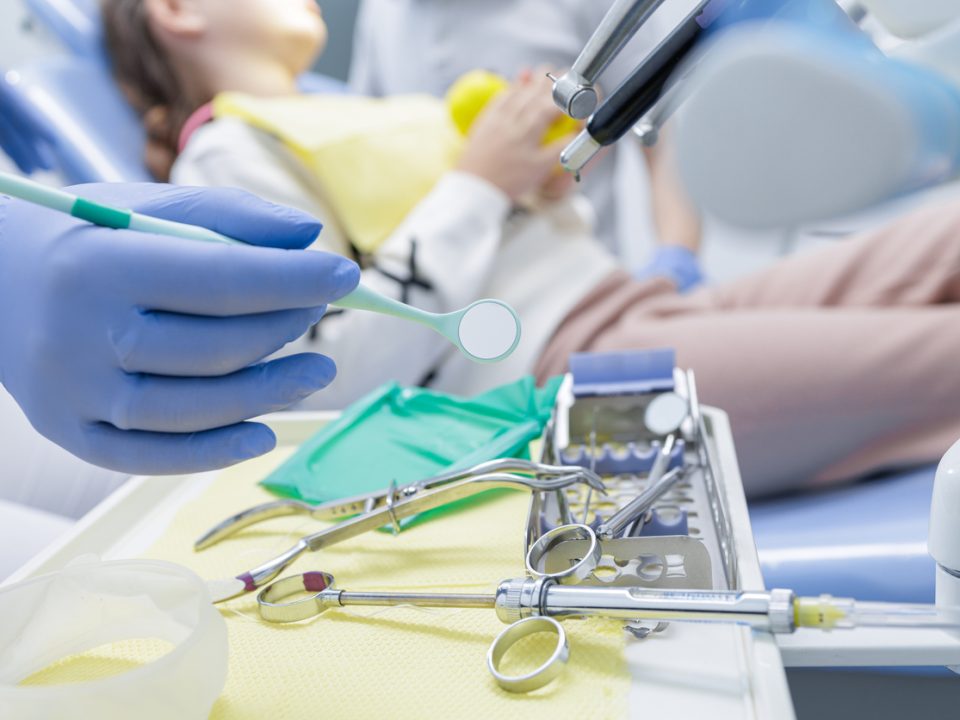
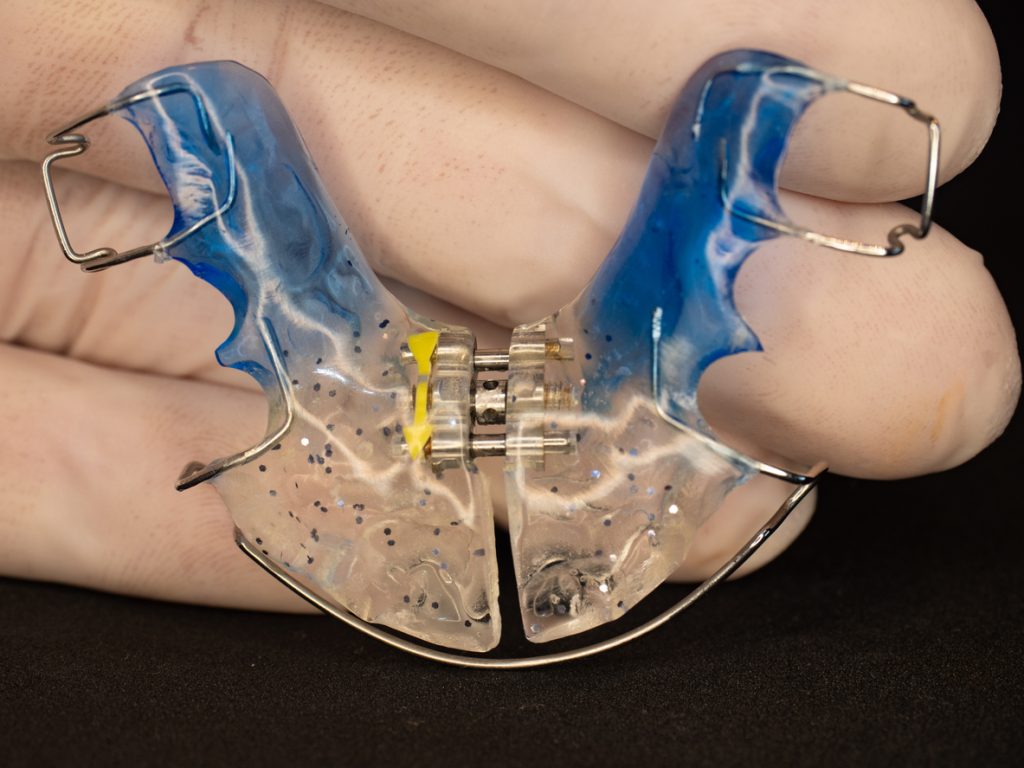
A pediatric space maintainer is a custom-fitted orthodontic appliance used to maintain the space left by a prematurely lost baby tooth. For families in Hope Mills, Village Family Dental utilizes these devices to prevent adult teeth from erupting crookedly, saving parents thousands of dollars in future orthodontic treatments.
Costs of Delaying Space Maintainer Placement
When a child loses a tooth unexpectedly, parents often want to “wait and see” before spending money on a dental appliance. Unfortunately, in pediatric dentistry, waiting is the fastest way to increase your bill. Teeth are highly dynamic and will naturally drift toward open spaces in the jaw. This process, known as “arch collapse,” can begin happening in a matter of weeks. If you delay placing a space maintainer, the neighboring teeth will tilt into the gap. Once that gap closes, a simple $400 space maintainer is no longer an option. Instead, you will have to pay an orthodontist to install active braces or palatal expanders to force the teeth back apart. Medical literature supports that dental space maintainers are highly effective in pediatric dentistry [1] (Casana-ruiz et al., 2025). By acting immediately after the baby tooth is lost, you prevent the tooth from shifting and avoid thousands of dollars in corrective fees.
Maximizing the VFD Membership Plan for Uninsured Families
We know that not every family in Hope Mills has access to the TRICARE Dental Program or NC Medicaid. If you are an independent contractor, a small business owner, or simply between insurance plans, the out-of-pocket cost of pediatric dental care can feel daunting. To bridge this gap, Village Family Dental offers the VFD Membership Plan. This is an in-house, direct-to-patient savings program designed specifically for North Carolina families. For a flat annual fee, your child receives preventive cleanings and exams at no extra cost, plus a significant, fixed discount on restorative appliances such as space maintainers. The best part? There are zero waiting periods. You can enroll your child at our Hope Mills clinic today and immediately apply the member discount to their space maintainer fitting, instantly lowering your financial burden. Learn also about Cigna Insurance for space maintainers here.
Why the fitting process Avoids Expensive Sedation Fees
If your child recently had a tooth extracted, you likely noticed that the final bill included fees for local anesthesia or pediatric sedation, such as Nitrous Oxide (laughing gas). Many parents worry they will have to pay those sedation costs all over again just to get the space maintainer placed. Fortunately, placing a space maintainer is one of the most cost-efficient and stress-free appointments your child will ever have. The entire process is non-invasive. There are no drills, no needles, and no numbing required. Our pediatric team takes a quick, comfortable digital impression of your child’s teeth to custom-build the appliance. Because there is no physical pain involved, we rarely need to use billable sedation. Your child stays relaxed, and you avoid paying extra clinical fees.
A table that compares the cost of tooth loss
| Feature | Pediatric space maintainer | Delayed action | Doing nothing |
| Goal | Hold space for adult teeth | Realign crooked teeth | N/A |
| Financial cost | Low | Very High | Zero upfront |
| Insurance coverage | High | Moderate | n/A |
| Durability | Lasts until the tooth erupts | 18-36 months of active wear | N/A |
| Maintenance level | Moderate | High | Critical (impacted teeth) |
How Long Will Your Child Actually Need the Space Maintainer?
Clinical literature supports that the survival period of space maintainers is 11.2 months [2] (Deshpande et al., 2018). When you are paying out-of-pocket or utilizing your insurance benefits, you want to know the Return on Investment (ROI) of the treatment. Parents frequently ask, “How long is this device actually going to be in my child’s mouth?” The answer depends entirely on the adult tooth hiding beneath the gums. A space maintainer is designed to remain securely cemented in place until the permanent tooth naturally erupts and pushes through the gum tissue. This could be six months or three years. The beauty of this appliance is its durability. The initial cost you pay covers years of structural protection. When you break down the cost over the lifespan of the appliance, it often comes to just pennies a day to help ensure your child’s adult teeth grow in straight.
Routine Checkups and Maintenance Costs
Once the space maintainer is placed, you do not have to worry about expensive monthly adjustment fees, which are common with traditional braces. The maintenance for this device is incredibly low-cost and is seamlessly rolled into your child’s routine oral healthcare. Our clinical team will monitor the integrity of the metal bands and the progress of the adult tooth during your child’s standard six-month cleaning appointments. For families using TRICARE or Medicaid, these bi-annual checkups are typically covered at 100%. The only time you might incur an additional cost is if the device breaks or becomes un-cemented. To protect your investment and avoid replacement fees, we strongly advise parents to enforce a strict “no sticky foods” rule at home. Keeping taffy, caramel, and heavy chewing gum out of your child’s diet ensures the maintainer stays perfectly intact until its job is done.
FAQs
1. Does TRICARE cover space maintainers at dentists in Hope Mills?
Yes. Village Family Dental in Hope Mills is a participating provider for the TRICARE Dental Program. Space maintainers are typically covered as a restorative or preventive benefit for dependents, significantly reducing your out-of-pocket costs.
2. Can I use my FSA or HSA to pay for a space maintainer?
Absolutely. The IRS classifies orthodontic space maintainers as a qualified, medically necessary dental expense. You can use your Flexible Spending Account (FSA) or Health Savings Account (HSA) pre-tax dollars to cover your co-pay or the full out-of-pocket cost.
3. What happens to my child’s space maintainer if we get PCS orders to move?
Because the space maintainer is securely bonded to the tooth, it travels with your child. If you receive a Permanent Change of Station (PCS) move from Fort Liberty, simply let us know. We will provide a digital copy of your child’s dental records so your new dentist can easily monitor the appliance until the adult tooth is ready to erupt.
References
[1] Casaña-Ruiz, M., Aura-Tormos, J. I., Marques-Martinez, L., Garcia-Miralles, E., & Perez-Bermejo, M. (2025). Effectiveness of Space Maintainers in Pediatric Patients: A Systematic Review and Meta-Analysis. Dentistry journal, 13(1), 32. https://doi.org/10.3390/dj13010032
[2] S Deshpande, S., D Bendgude, V., & V Kokkali, V. (2018). Survival of Bonded Space Maintainers: A Systematic Review. International journal of clinical pediatric dentistry, 11(5), 440–445. https://doi.org/10.5005/jp-journals-10005-1554