
HSA and FSA usage for pediatric dentistry is the practice of using pre-tax health savings or flexible spending accounts to pay for medically necessary oral care. At Village Family Dental, these funds cover out-of-pocket costs for cleanings, fillings, orthodontics, and sedation, allowing North Carolina families to save up to 30% by using before-tax dollars.
FSA deadlines
The Use It or Lose It rule is a common FSA provision requiring participants to spend their account balance by December 31st or forfeit the remaining funds. For families in the Sandhills and Fayetteville areas, the final quarter of the year is the most critical time to audit your dental health. If you have a remaining balance in November, the ideal time to schedule elective procedures that insurance might only partially cover is then. At Village Family Dental, we recommend using these year-end funds for dental sealants or fluoride treatments. These preventive procedures are a great way to ensure that a small, undetected groove in a molar does not turn into a costly emergency filling. Because our Raeford and Hope Mills offices see a surge in appointments during winter break, booking your FSA cleanup visit early ensures you utilize your FSA funds towards your oral healthcare.
Using HSA/FSA for Dental Sedation
Dental sedation for children is a qualified medical expense under HSA/FSA guidelines when used to facilitate a necessary dental procedure. Many parents are surprised to learn that while some insurance plans categorize nitrous oxide as behavioral management with limited coverage, your tax-advantaged accounts view it as a tool for clinical safety. If your child has a high startle reflex or sensory processing sensitivities, the cost of sedation can be difficult. By using your HSA, you can provide your child with a Sensory-First experience without dipping into your monthly budget. Whether a liquid sedative for a complex filling or IV sedation for a surgical extraction in our St. Paul’s facility, using pre-tax dollars allows you to prioritize your child’s comfort.
HSA/FSA and TRICARE/Medicaid Overlays
For military families near Fort Liberty or those utilizing NC Medicaid, insurance often covers 100% of preventive care but requires a cost-share for restorative work. This is where your HSA or FSA becomes a strategic financial bridge. For example, if TRICARE covers 50% of a pediatric crown, you are left with a significant out-of-pocket balance. TRICARE supports that adjunctive dental care is considered part of the medical benefits [1] (TRICARE, 2024). Instead of putting that balance on a high-interest credit card, you can use your HSA/FSA to pay the difference. This is especially helpful for families in Raeford who are preparing for a PCS (Permanent Change of Station). By using these tax-free funds to settle co-pays for space maintainers or emergency trauma care, you ensure your child’s dental records are clear.
A table that compares tax-advantaged savings
| Service | HSA/FSDA | Recommended timing | Why use it? |
| Emergency trauma | 100 % eligible | Immediate | Covers the gap in triage fees |
| Laughing gas | 100 % eligible | During procedure | Removes financial barrier |
| Athletic mouthguards | 100 % eligible | Before sports season | Prevent expensive trauma bills |
| Space maintainers | 100 % eligible | After tooth loss | Stops teeth from moving |
| White fillings | 100 % eligible | Upon diagnosis | Pays the 20% co-pay |
Records for Hassle-Free Reimbursement
Reimbursement for pediatric dentistry requires proper documentation to meet IRS requirements or those of your third-party administrator. For specialized services such as custom-fit athletic mouthguards or early orthodontic appliances, your account manager may request a Letter of Medical Necessity. Our administrative teams in Eastover and Laurinburg are well-versed in providing the specific itemized billing codes (CDT codes) required for HSA/FSA claims. We recommend keeping a digital folder of your child’s Explanation of Benefits (EOB) alongside our office receipts. If your child requires an emergency visit after a sports injury, we can quickly provide the trauma-related documentation you need to ensure your claim is processed without delay.
Phase 1 orthodontics funding
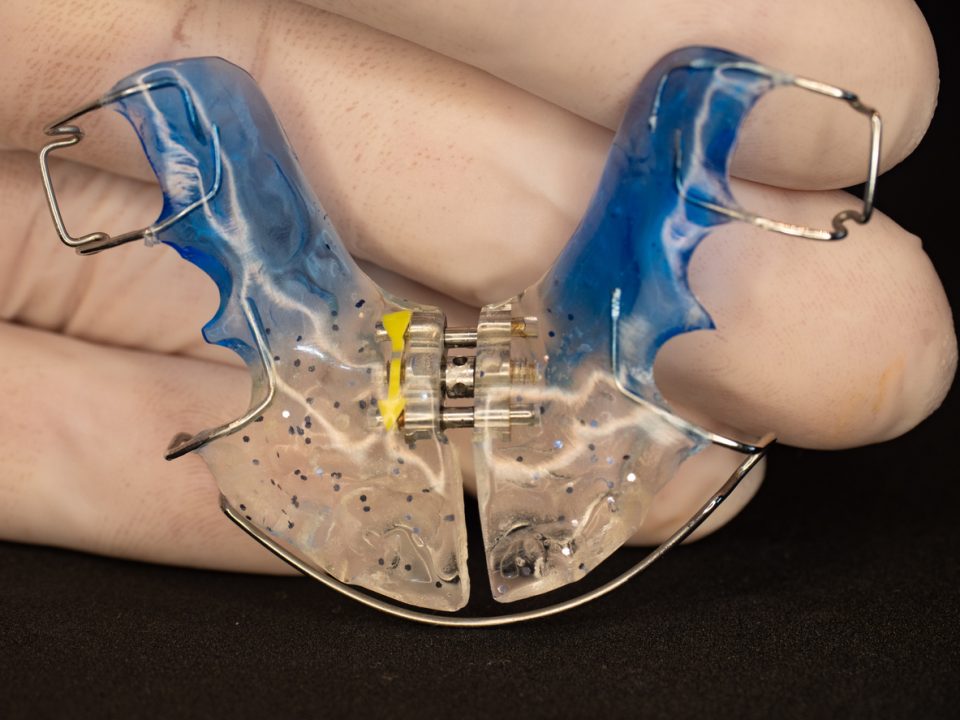
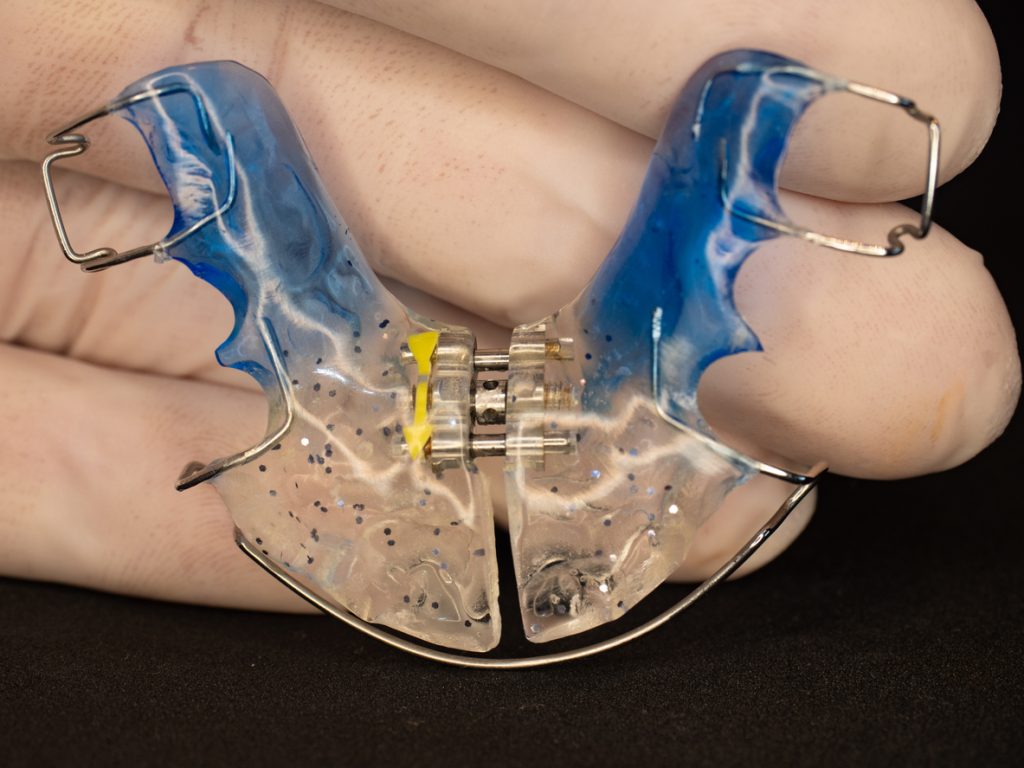
Interceptive orthodontics (Phase 1) is a proactive dental treatment for children aged 7 to 10 that corrects jaw growth issues before surgery is required. Medical literature supports that treatment in mixed dentition allows an orthodontist and a periodontist to apply judgment and experience [2] (Suresh et al., 2015). Because Phase 1 happens while the child still has baby teeth, some insurance providers mistakenly categorize the procedure as cosmetic. However, the IRS typically allows HSA and FSA funds to be used for any orthodontic treatment that prevents a future structural defect. Using your HSA for a palatal expander or a space maintainer is a high-value move for parents. By paying for these early interventions with pre-tax dollars, you are discounting the cost of your child’s future smile. This proactive spending reduces the complexity of traditional braces when your child reaches high school.
FAQs
1. Can I use my HSA for my child’s mouthguard?
Yes. If the mouthguard is recommended by our Raeford or Eastover team to prevent dental trauma during sports, it is typically considered a qualified medical expense.
2. Does my FSA cover the cost of nitrous oxide?
In most cases, yes. Nitrous oxide is used to facilitate a necessary medical procedure by managing behavior and ensuring safety.
3. What if my insurance only covers 80% of a pediatric crown?
You can use your HSA or FSA card to pay the remaining 20% co-pay right at our front desk.
References
[1] TRICARE. (2024). Dental | TRICARE. Tricare.mil. https://tricare.mil/CoveredServices/IsItCovered/Dental
[2] Suresh, M., Ratnaditya, A., Kattimani, V. S., & Karpe, S. (2015). One Phase versus Two Phase Treatment in Mixed Dentition: A Critical Review. Journal of international oral health : JIOH, 7(8), 144–147.