
Maximizing child dental benefits early is a strategic healthcare approach in which parents use annual insurance maximums and preventive coverage at the start of the calendar year. This proactive scheduling prevents out-of-pocket expenses, avoids the year-end appointment rush, and ensures the early detection of pediatric dental issues.
Linking Developmental Milestones to Your Benefit Year
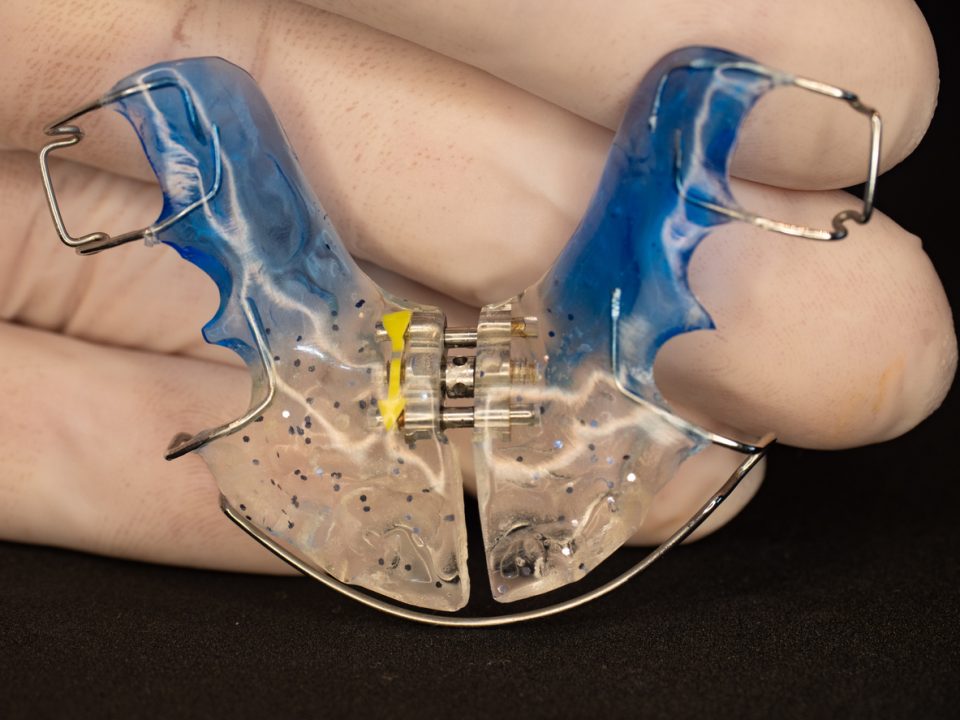
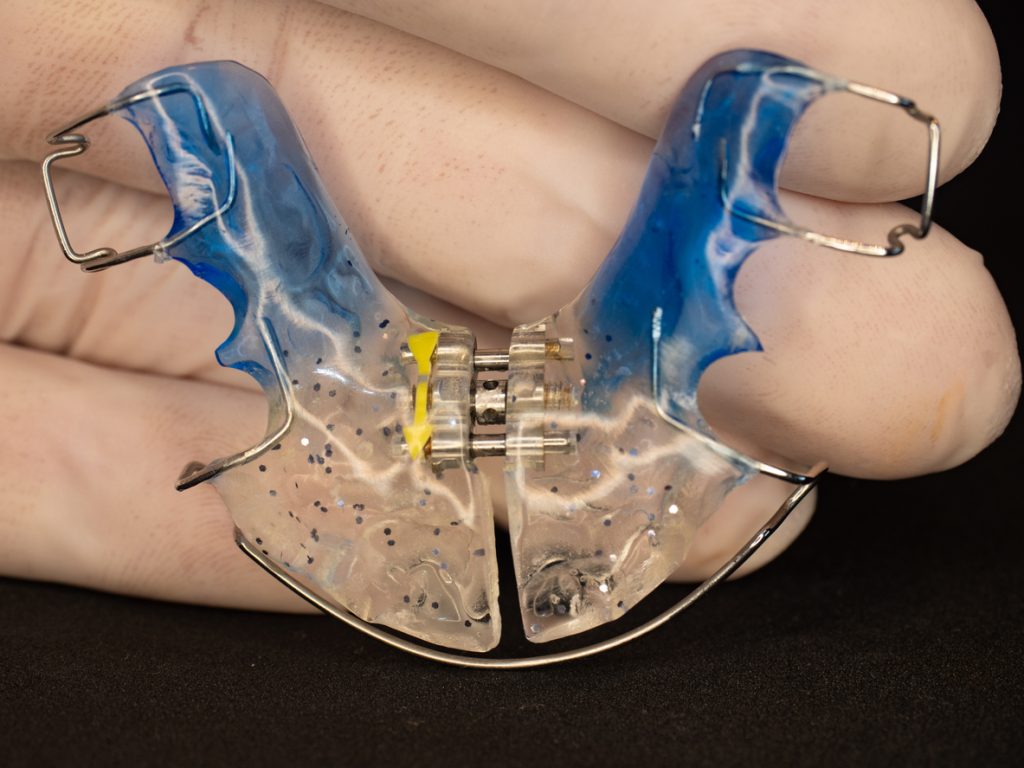
Insurance companies structure their pediatric dental plans around specific biological milestones. By aligning your child’s development with the start of your benefit year, you can unlock high-value coverage before problems arise. For toddlers, the American Academy of Pediatric Dentistry recommends establishing a “Dental Home” by Age One. Booking this milestone visit early in the calendar year ensures you utilize your 100% covered preventive benefits to catch early signs of bottle rot. For older children, the critical milestone is Age Seven. This is when the first adult molars erupt, and jaw alignment issues become visible. By scheduling your child’s panoramic X-rays and early orthodontic evaluation in the spring, you leave your entire annual maximum available. If our specialists determine that your child needs a Phase 1 palatal expander or space maintainer, you have the full year’s insurance funds available to cover the cost.
The Financial Effects of Delayed Dental Care
Medical literature supports that postponing dental visits due to financial constraints contributes to a decreased quality of life [1] (Valdex et al., 2021). Baby teeth have significantly thinner enamel than adult teeth, so cavities can spread very quickly. If you notice your child complaining of tooth sensitivity in March but delay the appointment until the busy holiday season, the financial math changes completely. What could have been a simple, low-cost white filling in the spring will likely snowball into a deep infection by winter. Now, your child requires a pediatric pulpotomy, a protective crown, and potentially mild sedation. This is not only emotionally stressful for your child, but this complex procedure can also immediately reduce your remaining annual maximum. Addressing minor issues early in the year acts as a firewall against these massive, unexpected out-of-pocket expenses.
Combining HSA/FSA Funds with Preventive Visits
While many Fayetteville families wait until November to frantically spend their Flexible Spending Accounts (FSA) on last-minute appointments, the smartest budgeters use these funds in the first and second quarters. Tax-advantaged accounts are not just for year-end cleanups; they are strategic tools for early intervention. When you bring your child to Village Family Dental early in the year, your primary insurance will likely cover 100% of the exam and 80% of any basic restorative work, like fillings. You can immediately use your FSA or HSA to cover the remaining 20% co-pay. By layering these tax-free funds with your early-year insurance benefits, you completely eliminate out-of-pocket costs from your monthly household budget. This strategy leaves you financially comfortable and prevents the chaotic rush to secure a dental appointment before your FSA funds expire on December 31st.
Table that compares financial strategies
| Strategy type | Out-of-pocket cost | Stress level | Planning |
| Early utilization | Lowest | Minimal | Book 6 months in advance |
| Year-end rushing | Moderate | High | Limited clinic availability |
| Out-of-pocket crisis | Highest | Extreme | Unpredictable emergency visit |
Managing Dental Benefits During a Job Change
Cumberland County is a highly transient area. Whether you are a military family stationed at Fort Liberty anticipating a summer PCS (Permanent Change of Station), or a local professional transitioning to a new employer, a change in address usually means a change in dental insurance. If you know a transition is coming, you must accelerate your benefit utilization. Schedule your child’s cleanings, fluoride varnishes, and any pending restorative work under your current, active policy. New insurance plans often come with frustrating 6-to-12-month waiting periods for major restorative work. By maximizing your current plan before you move or switch jobs, your child’s smile is fully protected, and you will not be caught paying out-of-pocket while waiting for your new benefits to kick in.
Annual Maximum for Dental Emergencies
According to Delta Dental, an annual maximum is the maximum dollar amount your dental insurance will contribute toward the cost of dental services [2] (Delta Dental, 2020). Children are unpredictable. A weekend soccer game in Hope Mills or a slip near the pool can result in a chipped permanent tooth or a knocked-out incisor. When a true dental emergency occurs, you need immediate clinical triage, advanced digital X-rays, and rapid restorative treatment, such as dental splinting. If you have delayed your child’s routine fillings until the end of the year, those planned procedures will consume your entire annual maximum. If an emergency happens the following week, your insurance safety net is gone, and you will be paying 100% out-of-pocket. By strategically scheduling routine and preventive care in the early spring, you ensure that a healthy cushion of your annual maximum remains untouched throughout the year. This acts as a vital financial shock absorber, giving you total peace of mind when the unexpected happens.
FAQs
1. When should I schedule my child’s appointments to avoid the Fayetteville back-to-school rush?
The busiest time for pediatric dentists is mid-August through early September. To get your preferred appointment time and ensure all necessary paperwork for Cumberland County schools is completed, we highly recommend scheduling your child’s late-summer cleaning in June or July.
2. Can I split a large pediatric dental treatment across two benefit years?
Yes. This strategy is called “Benefit Staging.” If your child needs multiple restorative treatments and it is late in the year, our clinical team can prioritize the most urgent tooth in December using this year’s benefits, and complete the remaining work in January when your benefits reset.
3. What happens to my unused pediatric dental benefits at the end of the year?
With very few exceptions, unused dental benefits do not roll over. If your plan has a $1,500 annual maximum and you use only $300 by December 31st, the remaining $1,200 is absorbed by the insurance company. This is why utilizing your benefits early is so critical.
References
[1] Valdez, R., Aarabi, G., Spinler, K., Walther, C., Kofahl, C., Buczak-Stec, E., Heydecke, G., König, H. H., & Hajek, A. (2021). Do postponed dental visits for financial reasons reduce quality of life? Evidence from the Survey of Health, Ageing and Retirement in Europe. Aging clinical and experimental research, 33(2), 437–442. https://doi.org/10.1007/s40520-020-01536-w
[2] Delta Dental. (2020). What is a dental insurance annual maximum? Deltadental.com. https://www.deltadental.com/protect-my-smile/dental-insurance-101/what-is-dental-insurance-annual-maximum/