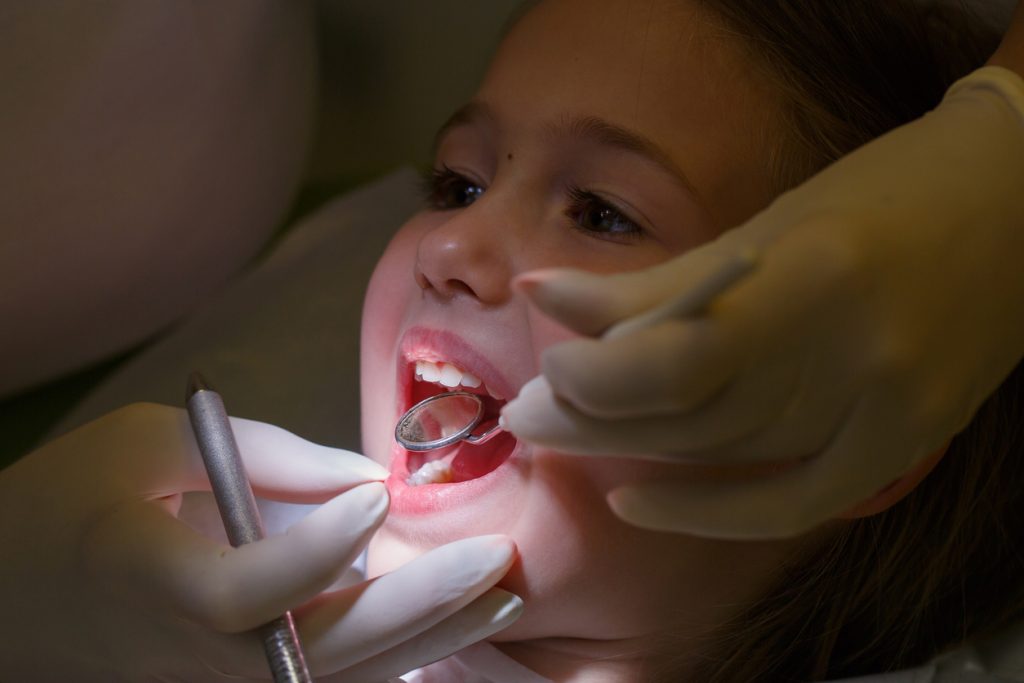
The cost of a pediatric filling in North Carolina is a variable expense that typically ranges from $150 to $300 per tooth without insurance. This price fluctuates based on the cavity’s size, the tooth’s location, and whether your toddler requires mild sedation to remain comfortable during the procedure.
Why you should invest in baby teeth even if they are going to fall out
One of the most common questions we hear from budget-conscious parents is, “Why should I pay for a filling if the tooth is just going to fall out?” Ignoring a cavity in a primary tooth is a fast track to much higher dental bills. Baby molars typically do not fall out until a child is 10 to 12 years old. If a cavity is left untreated, the decay spreads rapidly through the thin enamel of a toddler’s tooth. What could have been a simple, $200 filling quickly turns into a painful infection requiring a pediatric root canal or an emergency extraction. Furthermore, if a baby tooth is pulled too early, the surrounding teeth will shift. You will then have to pay for a space maintainer to keep the gap open, and you will likely face expensive orthodontic braces down the road. Fixing the cavity early is the most cost-effective way to protect your child’s future adult smile.
The cost of In-Network vs. Out-of-Network dentistry
Understanding your private dental insurance can feel like reading a foreign language. The biggest factor affecting the cost of your child’s filling is whether your dentist is in-network or out-of-network. When you visit an in-network provider at Village Family Dental, we have pre-negotiated a discounted rate with your insurance company. For example, if our standard fee for a filling is $200, but your insurance’s contracted rate is $150, you are only responsible for your 20% copay of that lower $150 rate. If you go to an out-of-network dentist, they can charge their full fee, and you are left paying the difference. Our administrative team handles the heavy lifting for our Laurinburg families, verifying your PPO network status before your appointment to ensure you receive the maximum available network discount.
Decoding your dental bill
Nobody likes surprise charges on a medical bill. When you bring your toddler in for a filling, the final invoice usually reflects a combination of specific clinical steps. To help you budget, here is exactly what goes into a restorative dental bill:
- The Limited Exam: A focused evaluation of the aching or decayed tooth.
- Digital Diagnostics: Necessary to see how deep the cavity reaches toward the nerve.
- The Composite Restoration: The actual cost of the tooth-colored filling material and the clinical placement.
- Nitrous Oxide: If your toddler needs laughing gas to sit still, this is billed as a separate, flat-fee line item.
By breaking down the visit, we ensure you only pay for exactly what your child needs to safely restore their tooth.
HSA and FSA usage to cover dental bills
If you are worried about covering your out-of-pocket copays or deductible, do not forget to check your employer benefits. Health Savings Accounts (HSAs) and Flexible Spending Accounts (FSAs) are excellent, tax-free tools for managing pediatric dental costs. The FSA states that dental care is eligible for reimbursement with a flexible spending account [1] (FSA, 2026). The IRS classifies pediatric fillings, X-rays, and even the cost of nitrous oxide sedation as qualified medical expenses. Because FSA funds typically operate on a use it or lose it basis by the end of the year, applying those funds to your toddler’s dental care is a smart financial move. When you check out at our Laurinburg clinic, we can provide the exact itemized receipt your FSA/HSA administrator requires to instantly approve the transaction, keeping your household checking account untouched.
Table comparing pediatric dental bills
| Service type | Cost profile | Durability | Maintenance level |
| Preventive sealants | Lowest | Up to 10 years | Monitored every 6 months |
| Standard composite filling | Moderate | 5-7 years | Daily brushing |
| Fillings and nitrous oxide | Moderate to high | Same as standard fillings | Same as standard filing |
| Emergency root canal | Highest | Saves tooth until natural loss | Monitoring required |
Preventing future cavities
Once you have invested your time and money into fixing your toddler’s tooth, the immediate goal is to ensure you do not have to do it again. The best way to save money on pediatric dentistry is through aggressive daily prevention. After the filling is placed, our team will meet with you to create a home-care plan. If your family relies on well water in rural Scotland County, your child might be missing out on the enamel-strengthening benefits of municipal fluoride. The medical literature indicates that dental caries is reversible when preventive measures are implemented, such as dietary changes and fluoride varnish [2] (Chou et al., 2021). We will discuss simple adjustments, such as applying a smear of fluoride toothpaste or reducing sticky fruit snacks that cling to the grooves of baby molars. By transitioning from a repair mindset to a preventive mindset, we can help keep your child out of the restorative chair and ensure your future visits are strictly routine, low-cost cleanings.
FAQs
1. Are white fillings more expensive than silver fillings for kids?
Yes, composite (white) fillings are generally slightly more expensive than amalgam (silver) fillings. However, they are the clinical standard at Village Family Dental because they require less removal of the natural tooth structure, blend in perfectly with your child’s smile, and do not contain mercury.
2. Does private dental insurance cover the full cost of a toddler’s cavity filling?
Rarely. While preventive care (like cleanings and exams) is usually covered at 100%, most private PPO dental plans classify fillings as “Basic Restorative Care.” This means they typically cover 80% of the cost, leaving a 20% copay for the family after the annual deductible is met.
3. What if my child needs multiple fillings but I do not have dental insurance?
If your child has widespread decay, our clinical team will create a phased treatment plan. We prioritize the most severe cavities first to stop the pain and prevent infection. This allows you to spread the cost over several weeks or months, utilizing self-pay options or CareCredit to manage the budget comfortably.
References
[1] FSA. (2026). FSA Eligible Dental Care | Is Dental Care FSA Eligible – FSA Store | FSA Eligibility List | FSA Store. Null | FSA Store. https://fsastore.com/fsa-eligibility-list/d/dental-care?srsltid=AfmBOorSSR_Wx-wbgMc87E3jWBH6QbxArdBPzCkVkbt7Jg8ImVEaTI25
[2] Chou R, Pappas M, Dana T, et al. Screening and Interventions to Prevent Dental Caries in Children Younger Than Age Five Years: A Systematic Review for the U.S. Preventive Services Task Force [Internet]. Rockville (MD): Agency for Healthcare Research and Quality (US); 2021 Dec. (Evidence Synthesis, No. 210.) Chapter 1, Introduction and Background. Available from: https://www.ncbi.nlm.nih.gov/books/NBK575917/