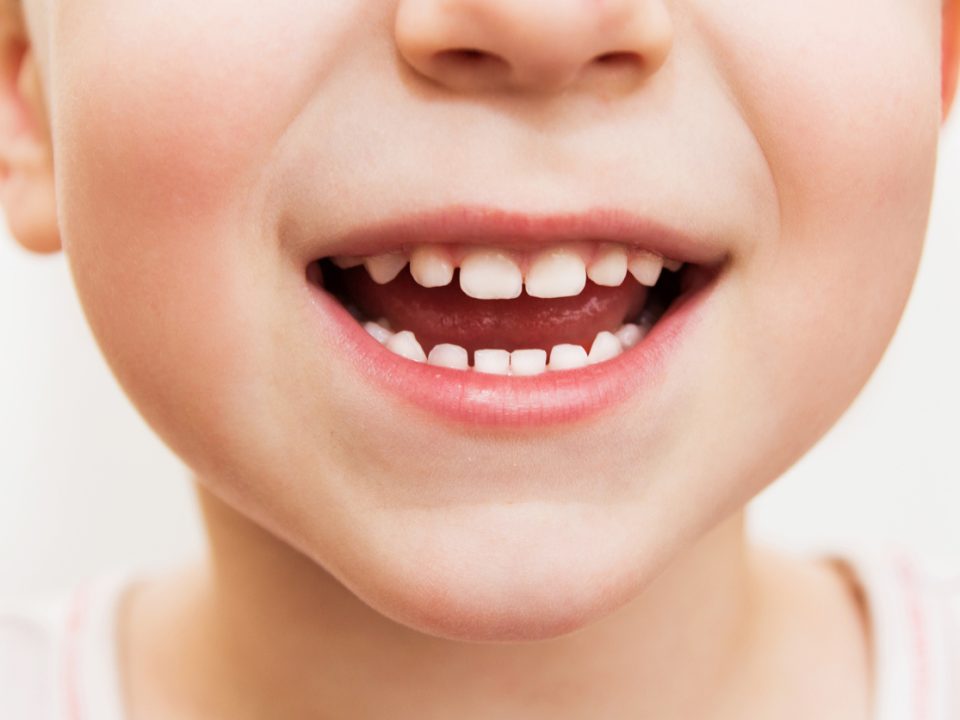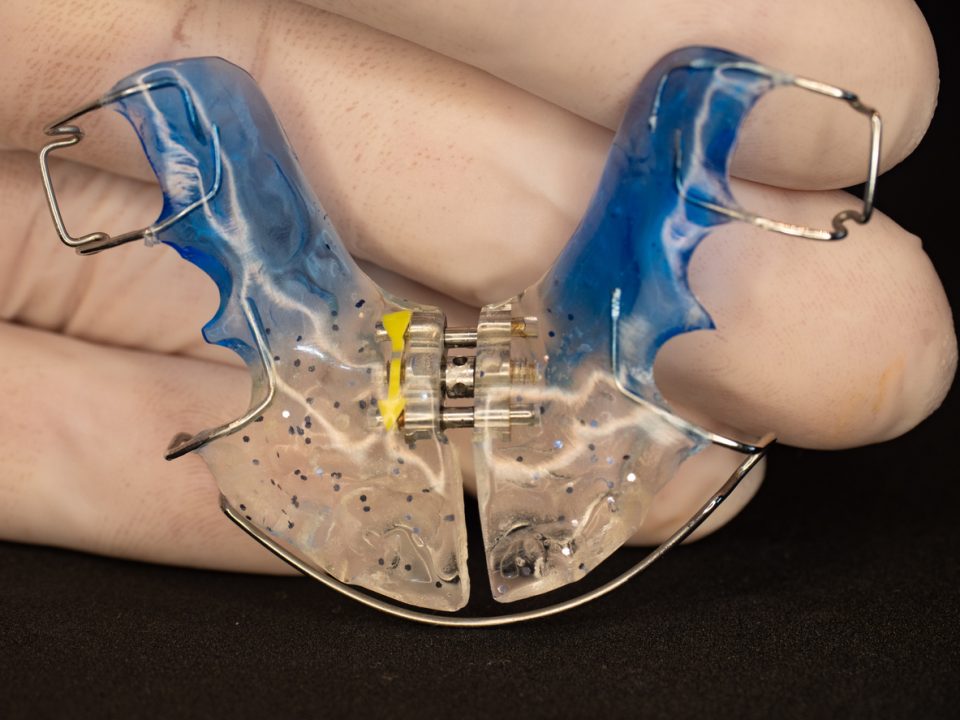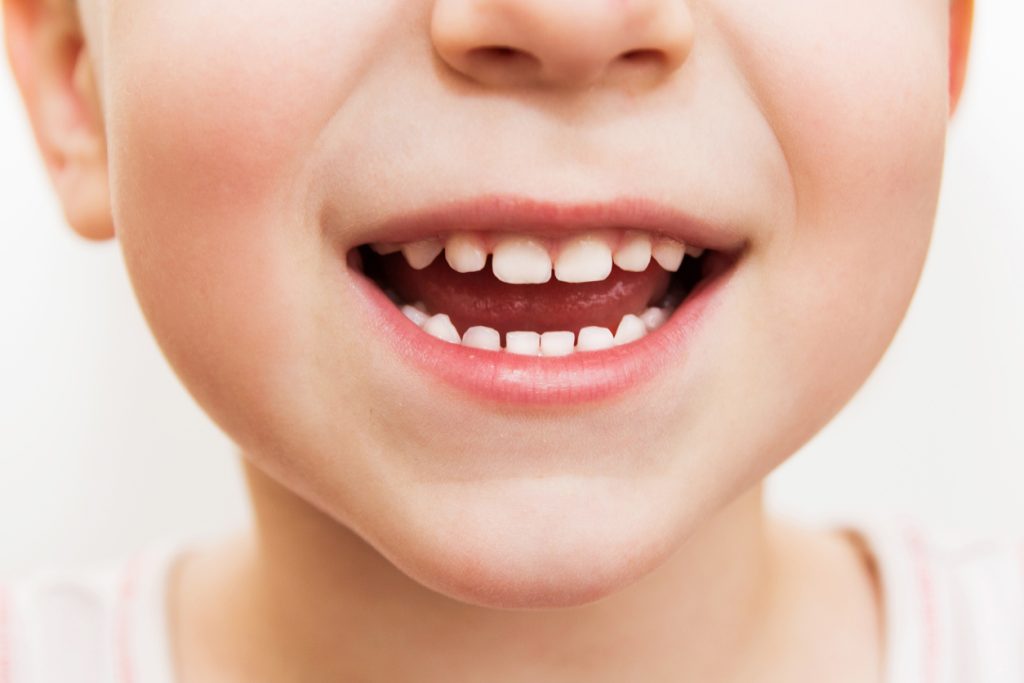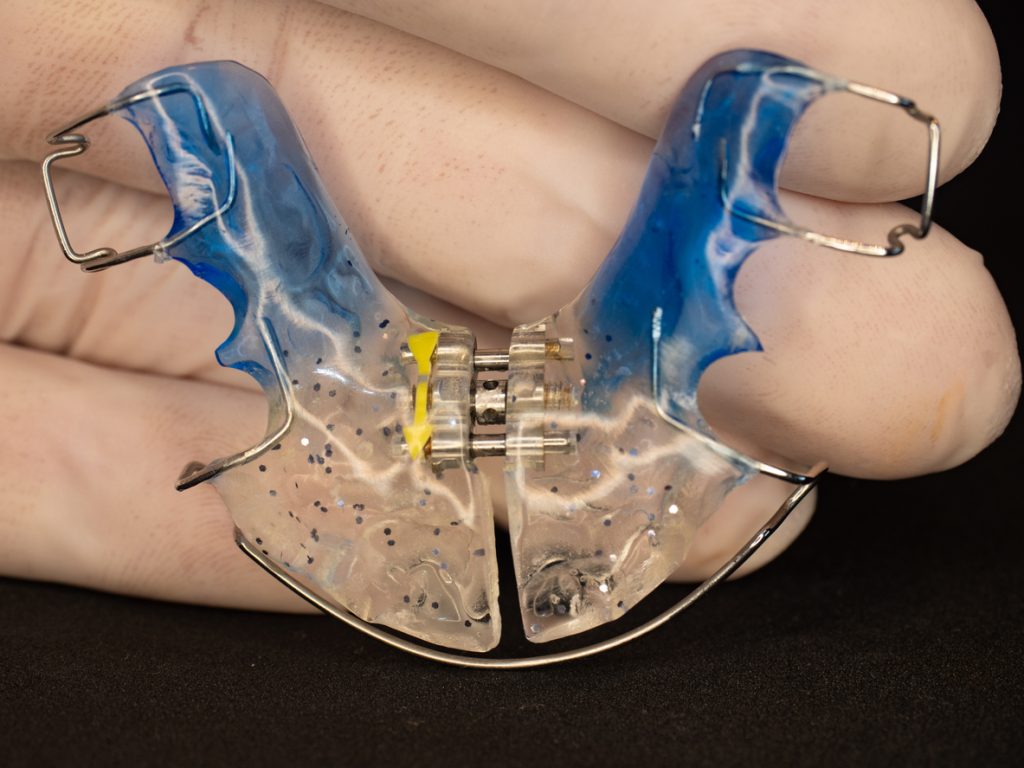
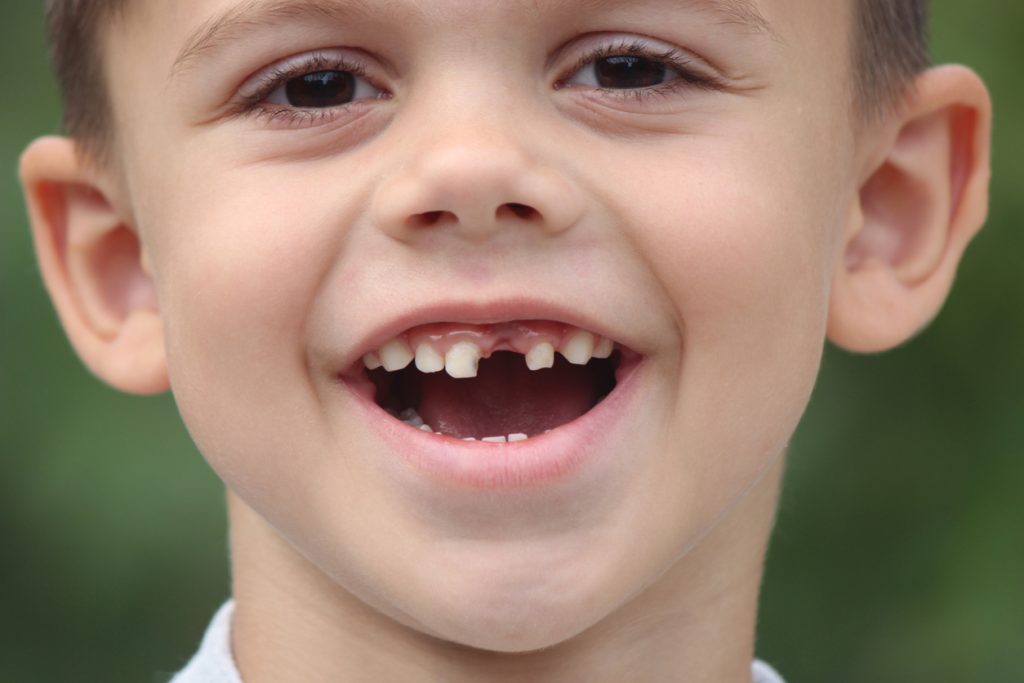
A child’s tooth loss timeline typically begins around age six and concludes by age twelve, following a predictable sequence from front incisors to back molars. This natural shedding process allows the jaw to accommodate larger permanent teeth while maintaining proper alignment and oral function for students in the Laurinburg area.
Roadmap for tooth loss
The process of losing baby teeth is a predictable six-year journey. Most Laurinburg children who visit Village Family Dental begin shedding teeth around age 6, starting with the lower front teeth, followed closely by the upper front teeth. Between ages 7 and 8, the lateral incisors begin to wiggle. There is often a brief rest period between ages 9 and 12, when the primary molars and canines are replaced by permanent premolars and adult eye teeth. This specific sequence is important because baby teeth act as biological placeholders, guiding adult teeth into their correct positions within the jaw.
What is ectopic eruption?
This phenomenon, clinically known as ectopic eruption, occurs when a permanent tooth begins to erupt behind the baby tooth before the primary root has fully resorbed. Clinical evidence supports that the early correction of ectopic eruption is essential, especially when the roots of the second primary molar are severely resorbed [1] (Yaseen et al., 2011). In most cases, this is not a dental emergency. If the baby tooth is even slightly loose, the pressure from the tongue will eventually push the permanent tooth forward, naturally dislodging the baby tooth. However, if the permanent tooth is more than halfway in and the baby tooth remains rock-solid, a quick tooth helper appointment at our Laurinburg clinic may be needed to prevent long-term crowding.
Discussing molar milestones
One misunderstood aspect of the tooth-loss timeline is the timing of the permanent molars’ arrival. Unlike other adult teeth, the 6-year and 12-year molars do not replace baby teeth; they simply erupt in the back of the mouth, where there was previously empty gum tissue. Because no tooth falls out first, many parents mistake these for baby teeth and may overlook their care. These molars are important for your child’s bite. Because they emerge during peak sugar years for many students in the Laurinburg area, they are the most common sites for early cavities. We prioritize monitoring these specific milestones to ensure they receive protective sealants as soon as they breach the gumline.
Dealing with early and late tooth loss
While the average age for the first lost tooth is six, the normal range is broad. If your child loses a tooth at age 4 due to a playground accident at Scotland Central or due to early childhood decay, it is considered an early loss. Medical literature supports that the prevalence of early loss of primary teeth was higher at 8 years of age [2] (Ahamed et al., 2012). This requires clinical intervention because the jaw may close up the gap, trapping the adult tooth underneath. Conversely, if a child has not lost a tooth by age 8, it is considered a late loss. This is often just a matter of genetics, but can occasionally signal that the permanent tooth is missing or impacted. During our Laurinburg consultations, we use digital panoramic X-rays to look beneath the surface and ensure the timeline is moving at a healthy pace for your child’s unique physiology.
A table that compares primary and permanent teeth
| Feature | Primary teeth | Permanent teeth |
| Total | 20 | 32 |
| Color | Bright white | Off-white |
| Edge shape | Smooth | Ridged |
| Maintenance | Crucial for spacing | Lifetime preservation |
| Typical loss | Ages 6-12 | Ages 6-21 |
What are Eruption Cysts and Gum Sensitivity?
Clinical literature supports that an eruption cyst is a benign, developmental odontogenic cyst that accompanies an erupting primary or permanent tooth [3] (Sen-tunc et al., 2017). You may notice a small, bluish-purple bump on the gums where a tooth is about to emerge; this is called an eruption cyst. This is simply a fluid-filled sac that usually bursts naturally as the tooth breaks through. During this phase, your child may experience gum tenderness or jaw pain, similar to teething in infants. For our patients in Laurinburg and Wagram, we recommend using a cold compress or over-the-counter children’s anti-inflammatories to manage this transition, ensuring the shedding process remains a positive experience rather than a painful one.
FAQs
1. Why has my 7-year-old not lost any teeth yet?
Every child is different. While age six is the average, some children are “late bloomers” who do not lose their first tooth until age seven or eight. As long as our X-rays show the permanent teeth are present and moving upward, a slight delay is rarely a cause for concern.
2. Should I pull a loose tooth for my child?
We recommend the “Expert Friend” approach: let the child wiggle it with their tongue or a clean finger. If you pull a tooth before the root has fully dissolved, it can be painful and cause unnecessary bleeding. If the tooth is “hanging by a thread,” a gentle tug with a clean tissue is usually safe.
3. Do new permanent teeth need sealants immediately?
Yes! As soon as the permanent molars (the “6-year molars”) fully emerge, they are highly susceptible to decay. Applying a sealant at our Laurinburg clinic creates a physical barrier over the deep grooves, protecting that tooth for years to come.
References
[1] Yaseen, S. M., Naik, S., & Uloopi, K. S. (2011). Ectopic eruption – A review and case report. Contemporary clinical dentistry, 2(1), 3–7. https://doi.org/10.4103/0976-237X.79289
[2] Ahamed, S. S., Reddy, V. N., Krishnakumar, R., Mohan, M. G., Sugumaran, D. K., & Rao, A. P. (2012). Prevalence of early loss of primary teeth in 5-10-year-old school children in Chidambaram town. Contemporary clinical dentistry, 3(1), 27–30. https://doi.org/10.4103/0976-237X.94542
[3] Şen-Tunç, E., Açikel, H., Sönmez, I. S., Bayrak, Ş., & Tüloğlu, N. (2017). Eruption cysts: A series of 66 cases with clinical features. Medicina oral, patologia oral y cirugia bucal, 22(2), e228–e232. https://doi.org/10.4317/medoral.21499