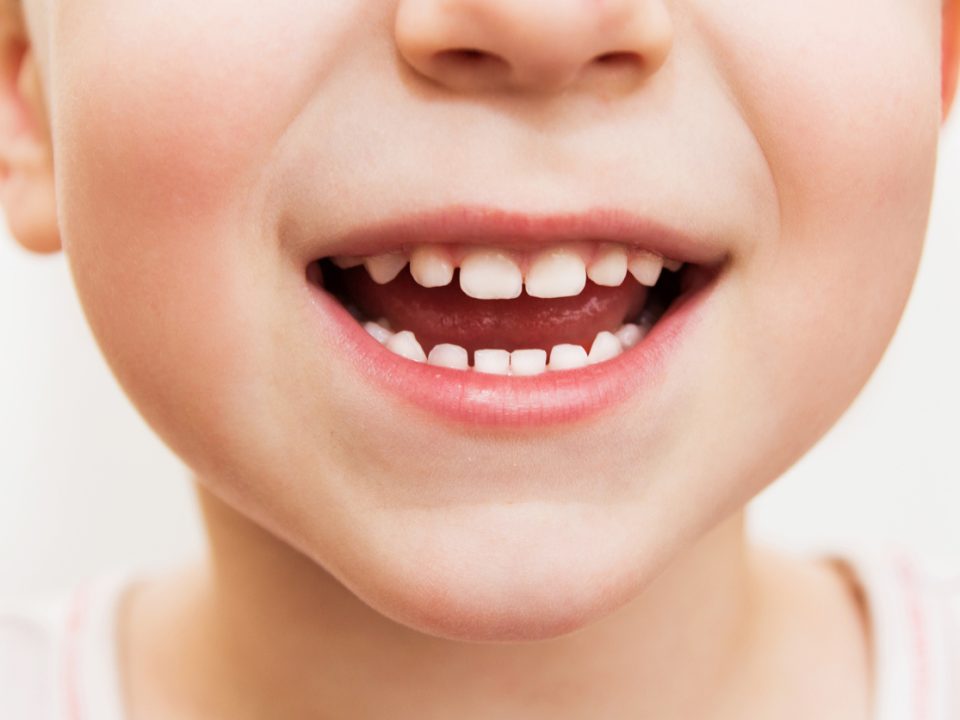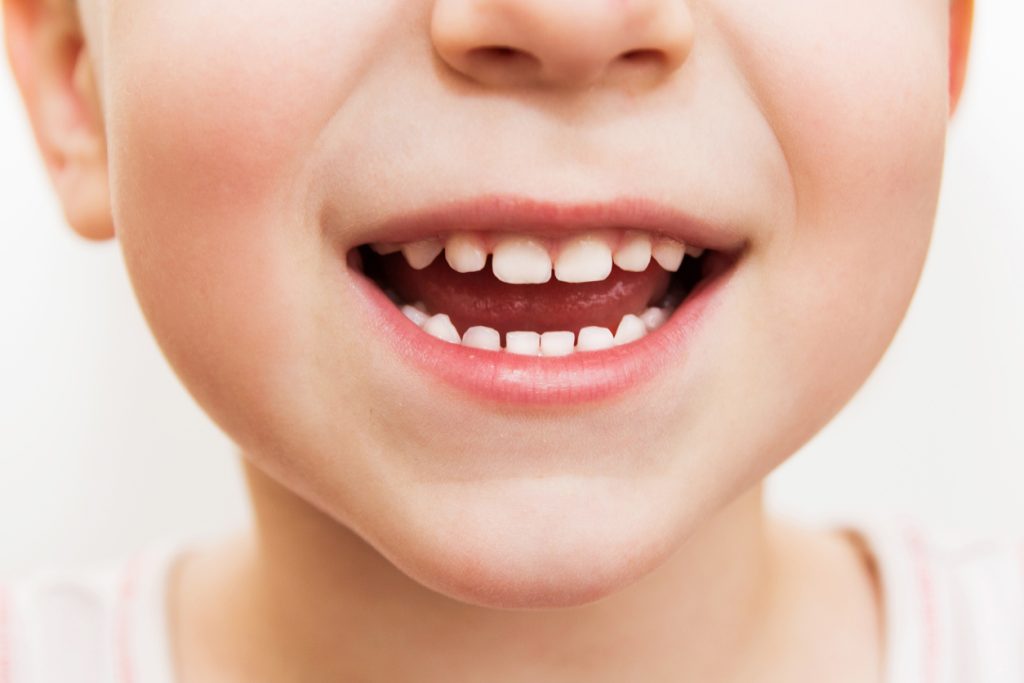
“Shark teeth” in children, clinically known as ectopic eruption, is a common condition where permanent teeth erupt behind the primary baby teeth, creating a double row. This occurs when a baby tooth’s root fails to dissolve properly, requiring either at-home wiggling or a gentle pediatric extraction to resolve it.
Why Do Shark Teeth Appear on the Bottom Row?
Medical literature supports early correction of ectopic eruption, especially when the roots of secondary primary molars are severely resorbed [1] (Yaseen et al., 2011). If you notice a double row of teeth, chances are it is happening right in the front of your child’s lower jaw. When your child’s permanent lower incisors begin to form, the tooth buds actually develop behind the roots of their baby teeth, closer to the tongue. Normally, these adult teeth drift forward as they grow, eating away at the baby root. But if your child’s lower jaw has not grown quite wide enough to accommodate the larger adult teeth, those new teeth will take the path of least resistance. Instead of moving forward, they emerge exactly where they formed, right behind the baby teeth. While ectopic eruption can occasionally happen on the top row, the lower front teeth are the undisputed hotspots for this developmental quirk.
The Danger of Pulling Teeth Yourself at Home
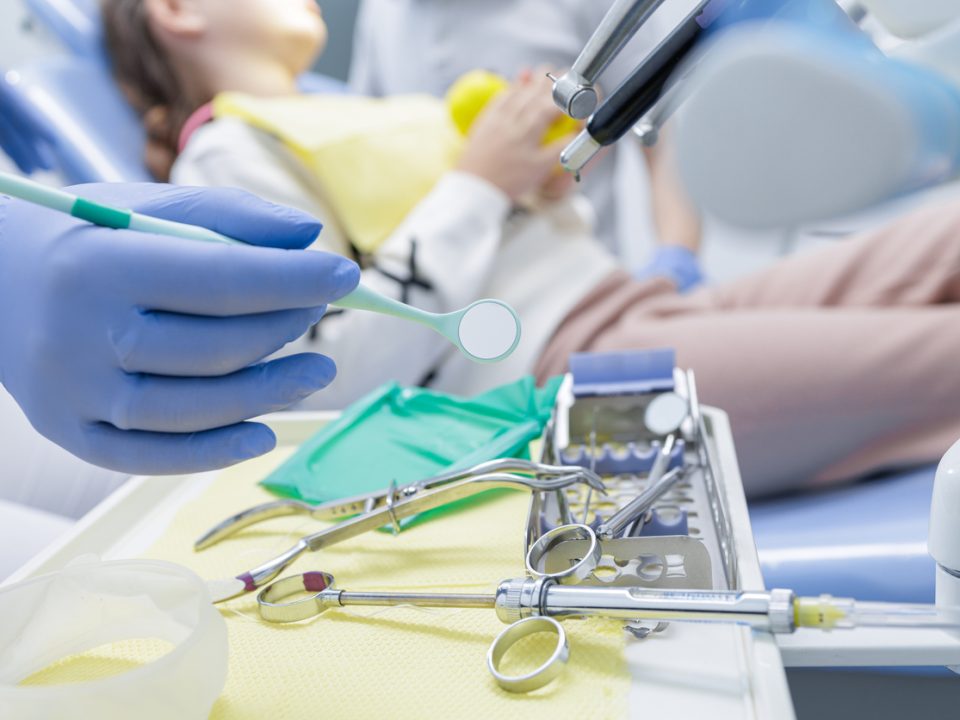
While at-home “wiggling” with a clean finger or tongue is highly encouraged, aggressively pulling or yanking a stubborn shark tooth is incredibly dangerous. If an adult tooth has erupted behind a baby tooth, it means the baby tooth’s root is likely still long and deeply anchored into the jawbone. Forcing it out before it is ready can fracture the root, leaving a broken piece of tooth trapped under the gums. This leads to sharp pain, excessive bleeding, and a high risk of bacterial infection. If your child cannot easily wiggle the tooth out, let the pediatric specialists at Village Family Dental handle it. We have the proper tools to safely and cleanly remove the tooth without traumatizing the surrounding tissue.
Do shark teeth mean my child needs braces?
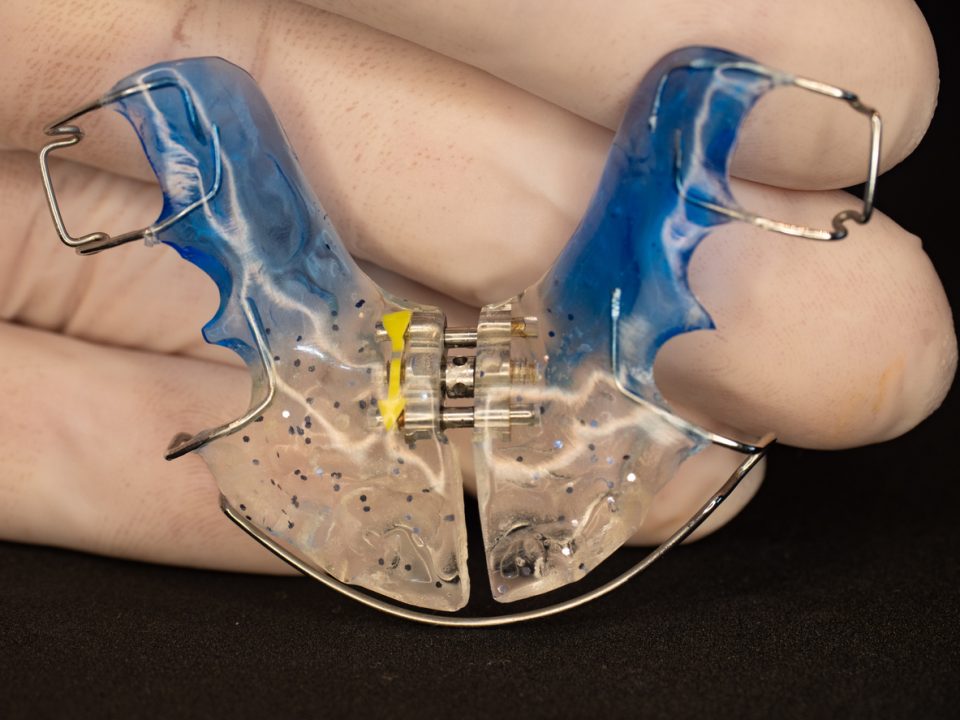
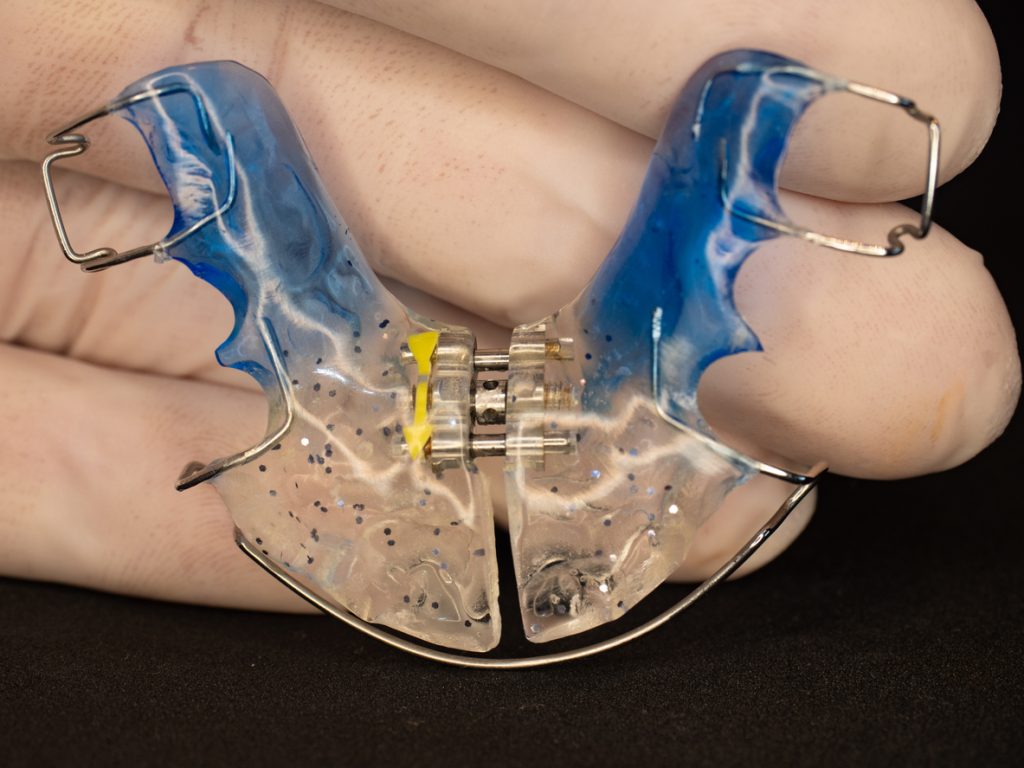
Clinical evidence suggests that treating an ectopic canine with severe crowding requires careful planning [2] (Sachan et al., 2012). This is usually the very first question parents ask when they see a double row of teeth. The short answer is: not necessarily, but it is a vital warning sign. Because shark teeth often occur when there is not enough room in the jaw for the larger adult teeth, they can be an early indicator of future crowding. Once the stubborn baby tooth falls out or is removed, your child’s tongue will act as a natural set of braces, applying gentle, constant pressure to push the adult tooth forward into the empty gap. However, if the gap is too small, the adult tooth will remain turned or crowded. This is exactly why we recommend a Phase 1 Orthodontic Evaluation by age seven. By monitoring these shark teeth early, our Eastover team can determine if a simple palatal expander is needed to gently widen the jaw now, potentially saving you from years of expensive, full-mouth braces when your child reaches high school.
How does a Double Row of Teeth affect Speech?
A baby tooth that overstays can change how your child functions on a daily basis. When a permanent tooth erupts behind a primary tooth, it forces your child’s tongue to rest in an unnatural position. Their speech may momentarily change as a result of this shift, resulting in a minor lisp, particularly when pronouncing the “S” and “T” sounds. A double row of teeth can also make biting into hard foods difficult since it catches food easily. You might notice your child chewing awkwardly on only one side of their mouth to avoid the double-tooth area. Resolving the shark tooth quickly not only restores their beautiful smile but also ensures their speech and chewing habits develop perfectly normally.
Table that compares shark tooth solutions
| Treatment pathway | Cost | Durability | Maintenance level |
| At-home wiggling | $0 | Permanent relief once lost | Monitoring at home |
| Simple pediatric extraction | Low | Proper spacing for a lifetime | Standard brushing |
| Delayed action | High | Requires braces to fix alignment | High (orthodontic visits) |
How to Explain “Shark Teeth” to a Child
Children talk at school, and discovering they have “shark teeth” can either sound like a cool superpower or a terrifying medical problem, depending on how the conversation is framed. If your child looks in the mirror and starts to panic, your reaction sets the tone. At Village Family Dental, we rely on positive language, and we encourage you to do the same at home! Avoid using scary words like “stuck,” “surgery,” or “pulled.” Instead, tell your child that their new adult teeth are just so eager and strong that they could not wait for their turn to come out. Let them know they have a “helper tooth” that just needs a little wiggle. By keeping the narrative fun and empowering, you lower their anxiety and make any potential visit to our Eastover clinic a positive, stress-free victory.
FAQs
1. Will shark teeth permanently ruin my child’s smile?
No. The human mouth is incredibly resilient. Once the stubborn baby tooth is out of the way, the natural muscle pressure from your child’s tongue pressing against the back of the permanent tooth will typically push it forward into its proper alignment within a few months.
2. Does my child need to be put to sleep to fix a shark tooth?
Rarely. A stubborn baby tooth extraction is incredibly fast. We use the “Tell-Show-Do” method and a clinical-strength numbing gel so your child feels no pain. For anxious children, we offer mild, safe nitrous oxide (laughing gas) to keep them relaxed and giggly during the 5-minute procedure.
3. Is it normal for the new adult tooth to look so much darker?
Yes. Parents worry that the new permanent tooth looks yellow compared to the bright white baby teeth.
References
[1] Yaseen, S. M., Naik, S., & Uloopi, K. S. (2011). Ectopic eruption – A review and case report. Contemporary clinical dentistry, 2(1), 3–7. https://doi.org/10.4103/0976-237X.79289
[2] Sachan, A., & Chaturvedi, T. P. (2012). Orthodontic management of buccally erupted ectopic canine with two case reports. Contemporary clinical dentistry, 3(1), 123–128. https://doi.org/10.4103/0976-237X.94563