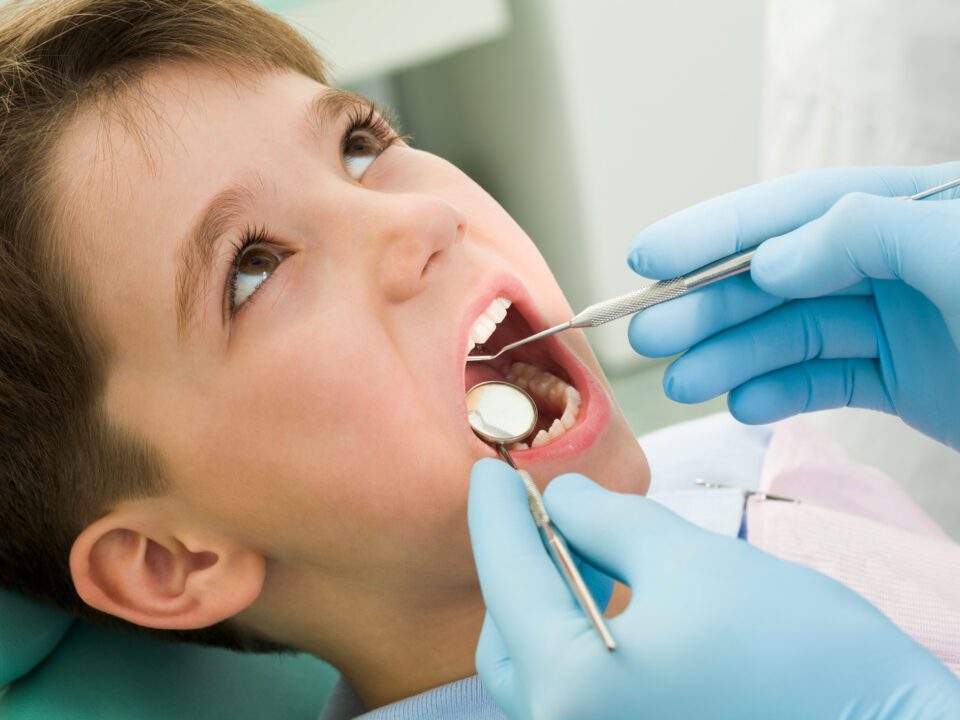

Let’s debunk dental misconceptions about kids’ teeth
When it comes to your child’s smile, there’s no shortage of advice – some helpful, some outdated, and some just plain wrong. Our family dentists hear many well-meaning parents repeat dental “facts” that have been passed down for generations. The problem? Some of these myths can actually harm your child’s oral health if left uncorrected.
Let’s set the record straight. Here are some of the most common myths about kids’ teeth and the truth every parent should know.
Myth #1: “Baby Teeth Don’t Matter – They Fall Out Anyway”
This is perhaps the most damaging myth of all.
The truth: Baby teeth (also called primary teeth) play a critical role in your child’s development. They help with chewing, speech development, and most importantly, they hold space for permanent teeth.
When baby teeth are lost too early due to decay or injury, nearby teeth can shift into the empty space. This often leads to crowding or alignment issues later on, potentially requiring orthodontic treatment.
Treat baby teeth with the same care as permanent teeth. Brush twice daily, floss once teeth touch, and schedule regular dental checkups starting by your child’s first birthday.
Myth #2: “If My Child Isn’t in Pain, Their Teeth Are Fine”
It’s easy to assume that no complaints mean no problems, but that’s simply not always the case.
Tooth decay doesn’t always cause immediate pain. In fact, cavities can develop and progress silently until they become severe. By the time a child feels discomfort, the issue may already require more extensive treatment.
Regular dental visits are essential. Dentists can detect early signs of decay long before your child notices anything wrong.
Myth #3: “Juice Is Better Than Soda, So It’s Safe for Teeth”
Juice often gets a “health halo,” but when it comes to teeth, it’s not much better than soda. Many fruit juices – even 100% juice – contain high levels of natural sugars and acids that can erode enamel and lead to cavities.
Frequent sipping throughout the day is especially harmful because it constantly exposes teeth to sugar.
Limit juice intake and serve it only during meals. Encourage your child to drink water, especially between meals. If your child does drink juice, consider diluting it.
Myth #4: “Kids Don’t Need to Floss”
Brushing alone can’t clean between teeth where food and plaque often hide. Once your child’s teeth begin to touch, flossing becomes essential.
Skipping flossing allows bacteria to thrive in those tight spaces, increasing the risk of cavities and gum issues.
Start flossing your child’s teeth as soon as they touch. There are kid-friendly flossers that make the process easier and even fun.
Myth #5: “More Toothpaste Means Cleaner Teeth”
It might seem logical – more toothpaste equals better cleaning, right? No!
Using too much toothpaste can actually be harmful, especially for young children who tend to swallow it.
Excess fluoride ingestion can lead to dental fluorosis, which may cause white spots on developing teeth.
- For children under 3: Use a smear (about the size of a grain of rice)
- For ages 3–6: Use a pea-sized amount
Always supervise brushing to ensure your child spits out toothpaste.
Myth #6: “Thumb Sucking Isn’t a Big Deal”
Many parents assume kids will simply outgrow this habit without consequences. However, prolonged thumb sucking (especially beyond age 4–5) can affect the alignment of teeth and the development of the jaw.
It can lead to issues like an open bite or protruding front teeth.
If your child continues thumb sucking past preschool age, talk to your dentist. Gentle interventions and positive reinforcement can help break the habit.
Myth #7: “Brushing Harder Cleans Better”
Brushing too hard can damage enamel and irritate gums, even in children. Kids’ teeth and gums are especially delicate, so aggressive brushing can do more harm than good.
Teach your child to use gentle, circular motions with a soft-bristled toothbrush. Think “massage,” not “scrub.”
Myth #8: “Dental Visits Can Wait Until All Baby Teeth Come In”
Some parents delay the first dental visit, assuming it’s too early. We recommend a child’s first dental visit by age one – or within six months of the first tooth erupting.
Early visits help:
- Monitor development
- Catch problems early
- Build comfort and familiarity with the dentist
Myth #9: “Sugary Snacks Are the Only Cause of Cavities”
Cavities are caused by bacteria feeding on sugars and producing acid that erodes enamel. It’s not just what your child eats – it’s how often they eat.
Frequent snacking (even on crackers or dried fruit) can keep teeth under constant acid attack.
Limit snacking frequency and encourage balanced meals. Offer tooth-friendly snacks like cheese, yogurt, and crunchy vegetables.
Myth #10: “Sports Drinks Are Fine for Active Kids”
Many parents swap soda for sports drinks, thinking they’re a healthier choice. However, sports drinks are often loaded with sugar and acid – sometimes just as much as soda. They can quickly contribute to enamel erosion and cavities.
For most kids, water is the best hydration option – even during sports. Reserve sports drinks for prolonged, intense physical activity (and even then, use sparingly).
Myth #11: “Genetics Matter More Than Habits”
Some parents feel cavities are inevitable if they “run in the family.” While genetics can influence factors like enamel strength and tooth alignment, daily habits play a much bigger role in preventing decay.
Good oral hygiene and diet can significantly reduce your child’s risk – even if there’s a family history of dental issues.
Building Healthy Habits That Last a Lifetime
Now that we’ve debunked these common myths, what’s the takeaway? Caring for your child’s teeth doesn’t have to be complicated – but it does require accurate information and consistent habits.
Here’s a simple roadmap:
- Brush twice daily with fluoride toothpaste
- Floss daily once teeth touch
- Limit sugary drinks and snacks
- Encourage water as the go-to beverage
- Visit the dentist regularly
- Lead by example – kids learn by watching you
If you ever feel unsure about what’s best for your child’s teeth, don’t hesitate to ask your family dentist. We’re here to help guide you, answer your questions, and partner with you in keeping those little smiles healthy and bright.