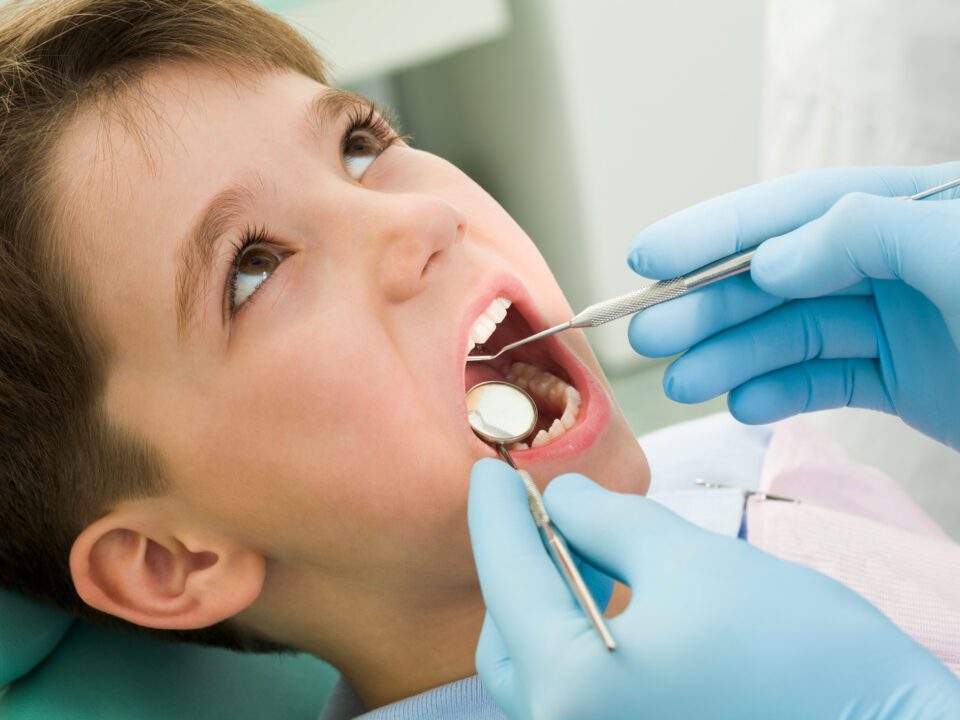

Pediatric sedation recovery is the critical two-to-six-hour window following a dental procedure where a child safely regains full consciousness and motor function. Parents must closely monitor their child’s breathing, maintain hydration with clear liquids, and restrict physical activity at home to ensure a comfortable, complication-free transition to normal routines.
Setting Up the recovery zone at Home
Your child’s environment plays a massive role in how smoothly they heal. A child recovering from sedation thrives in a low-stimulus, highly supervised space. Before you even leave for your appointment at Village Family Dental, set up a recovery area on the ground floor of your home. Choose a comfortable couch or a low bed to minimize the risk of a fall if they try to roll over. Prop their head up with two pillows to keep their airway perfectly clear while they sleep. Finally, keep the lights dim and avoid loud, fast-paced cartoons on the TV or iPad. The goal is to let their brain gently recalibrate without sensory overload.
What your child feels while under sedation
While the drowsy effects of the liquid sedative or IV wear off in a few hours, the local anesthesia can last significantly longer. Despite being under conscious sedation, many children retain memories of the treatment, particularly those with high dental fear [1] (Aarvik et al., 2025).
To a toddler or young child, a numb or heavy lip feels incredibly strange. Because they lack the vocabulary to explain this weird tingling sensation, they panic and cry. As a parent, your job is to stay calm and distract them. Remind them that their lip just fell asleep and will wake up soon. Importantly, keep a close eye on them to ensure they aren’t aggressively chewing or scratching at their numb lip, which can cause accidental injury.
When to call your dentist after sedation
As a parent, you want clear, black-and-white rules on what is normal and what requires a phone call. Because Village Family Dental holds the highest safety credentials in North Carolina, we want you to feel fully supported even after you leave our office.
What is entirely normal:
- Sleeping for several hours after returning home.
- A small amount of pink-tinged saliva if your child had a tooth extracted or a stainless steel crown placed.
- Mild grumpiness or a slight disruption in their sleep schedule for the first night.
When you should call us immediately:
- If your child is experiencing active, continuous bleeding that does not stop after 15 minutes of gentle pressure with a gauze pad.
- If they develop a fever over 101°F.
- If they are experiencing severe, persistent vomiting that prevents them from keeping clear liquids down. Medical literature supports that, after oral sedation, adverse events such as vomiting and irritability occur in only 7.0% of children [2] (Huang & Tanbonliong, 2015).
When to brush and floss again after treatment
Parents often wonder if they should skip brushing the night after a sedation appointment to let the mouth rest. The answer is no, but you do need to adjust your technique. The medical literature supports that, with periodontal flap surgery, brushing alone yields good outcomes after surgery [3] (Bertoldi et al., 2021). Keeping the mouth clean is vital for preventing infection, especially if restorative work has been completed. On the first night, switch to a manual toothbrush with extra-soft bristles. If your child normally uses a vibrating electric toothbrush, leave it in the drawer for a few days, as the aggressive vibration can be jarring to sensitive gums. Gently brush the teeth, taking extra care to use a light touch around any brand-new fillings or crowns. If your child is old enough to spit reliably, you can also introduce a warm saltwater rinse. This natural remedy is fantastic for soothing irritated gum tissue and accelerating local healing.
Below is a table that compares sedation and prevention:
| Feature | Dental sealants | Fillings |
| Goal | Stop decay | Repair decay |
| Time in chair | Low | High |
| Recovery time | None | 2 to 6 hours |
| Cost | Affordable | Higher cost |
| Durability | Lasts up to 10 years | Varies |
Framing the Experience to not instill dental fear
The medications we use for pediatric sedation have an amazing built-in benefit: the amnestic effect. This means your child will likely have zero memory of the dental drill, the sights, or the sounds of the procedure. To protect their future relationship with the dentist, how you talk about the appointment afterward is crucial. Avoid asking leading, fear-based questions like, “Did the dentist hurt you?” or “Are you feeling okay after your surgery?” Even if they do not remember any pain, these questions plant the idea that they should have been scared. Instead, use the “positive assumption” method. Say things like, “You did such a great job resting while the tooth doctor made your smile super strong!” By framing the Village Family Dental visit as a relaxing, positive victory, you ensure they walk into their next routine cleaning with confidence instead of anxiety.
FAQs
1. Why is my child crying or agitated after waking up from sedation?
This is a highly common phenomenon known as “paradoxical emotional lability.” As the sedative leaves the brain, children may feel disoriented or frustrated by the tingling numbness in their mouths. This fussiness is a temporary chemical reaction, not a sign of pain. Speak softly, offer their favorite comfort item, and allow them to sleep it off.
2. Can my child go back to school the day after dental sedation?
Yes. For standard oral conscious sedation or IV sedation, your child should be completely back to baseline by the next morning. They are safe to return to their normal classes in the local St. Paul’s or Cumberland County school districts.
3. How soon can my child eat solid foods after waking up?
Wait until the numbness from the local anesthesia has completely worn off (usually 2 to 3 hours post-procedure) to prevent them from severely biting their tongue or lip. Start with soft foods like yogurt. Once you confirm they can chew safely without biting themselves, you can gradually reintroduce solid foods.
References
[1] Aarvik, R. S., Svendsen, E. J., & Agdal, M. L. (2025). Children’s experiences with conscious sedation in dental care: a Norwegian cross-sectional study. Acta odontologica Scandinavica, 84, 562–569. https://doi.org/10.2340/aos.v84.44807
[2] Huang, A., & Tanbonliong, T. (2015). Oral Sedation Postdischarge Adverse Events in Pediatric Dental Patients. Anesthesia progress, 62(3), 91–99. https://doi.org/10.2344/0003-3006-62.3.91
[3] Bertoldi, C., Generali, L., Cortellini, P., Lalla, M., Luppi, S., Tomasi, A., Zaffe, D., Salvatori, R., & Bergamini, S. (2021). Influence of Tooth-Brushing on Early Healing after Access Flap Surgery: A Randomized Controlled Preliminary Study. Materials (Basel, Switzerland), 14(11), 2933. https://doi.org/10.3390/ma14112933