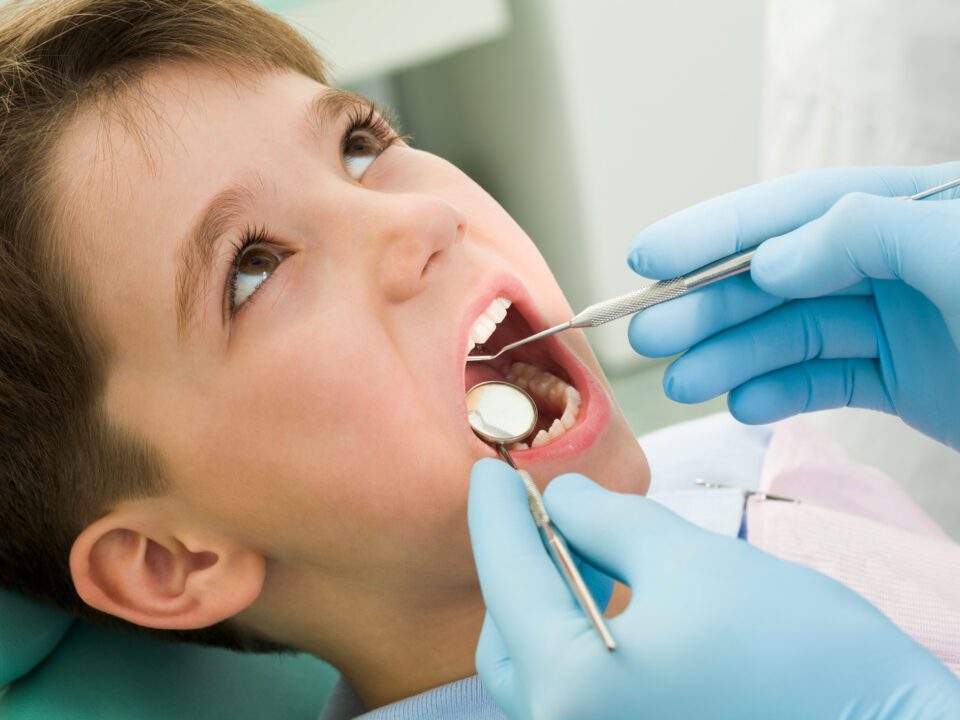

A teenage wisdom tooth consultation in Laurinburg is a specialized diagnostic evaluation at Village Family Dental that uses advanced panoramic X-rays to assess the position, growth, and potential impaction of third molars (wisdom teeth). This allows parents to make informed, preventive decisions before pain or orthodontic shifting occurs.
Timing the Consultation Around School
We know that for the busy parent, scheduling a doctor’s visit is a juggling act. Between classes at Scotland High School, part-time jobs, and seasonal sports, your teenager barely has a free afternoon. The beauty of a proactive wisdom tooth consultation is that you control the timeline. We highly recommend scheduling this brief diagnostic visit during the early spring or fall. Because if the X-rays show that your teen does need their wisdom teeth removed, you will have plenty of time to book their procedure during a long holiday break or summer vacation. Planning ahead means they will not have to miss critical exam weeks or sit out their favorite sports season while they recover.
What Your child Can Expect During Their wisdom teeth appointment
Feeling a little anxious about going to the dentist is completely normal for teenagers, especially if they think wisdom teeth means surgery. You can reassure them that this consultation is 100% needle-free and drill-free. In fact, medical literature supports that monitoring asymptomatic wisdom teeth is an appropriate strategy [1] (Ouassime et al., 2021). When you arrive at our Laurinburg clinic, your teen will step into our imaging room for a panoramic X-ray. This impressive machine simply glides around their head in a circle for a few seconds to take a comprehensive picture of their entire jaw. Afterward, you and your teen will sit comfortably with our dentist to look at the digital images on a large screen. We will point out exactly where the teeth are hiding, explain what the angles mean, and answer any questions your teenager has. We treat them like young adults, involving them directly in their own healthcare journey.
Why do wisdom teeth cause problems?
You might be wondering why these particular teeth cause so much trouble. The answer comes down to simple human evolution. Thousands of years ago, our ancestors had much wider jaws and needed strong, extra molars to chew a tough diet of raw roots and meat. Today, our diets are much softer, and over generations, human jaws have naturally become smaller. However, we still produce the same 32 teeth genetically. Because the modern teenage jaw simply does not have enough room in the back, the final four molars can become impacted beneath the gums. They cause direct contact pressure against the neighboring teeth, classically leading to pain and crowding. causes the classic pain and crowding. Clinical evidence supports that impacted wisdom teeth can cause pain, pressure, or swelling [2] (Dodson et al., 2014).
Signs that your wisdom teeth are erupting
Sometimes wisdom teeth make their presence known with sudden, sharp pain. But often, the warning signs are much more subtle. Because teenagers are notoriously quiet about minor aches and pains, it helps to know what to look for. Even before you schedule your consultation, watch out for these hidden red flags:
- Frequent Headaches or Earaches: Pain from the back of the jaw often radiates upward, causing dull headaches or ear pain.
- Jaw Stiffness: If your teen complains that their jaw feels tight when chewing or yawning, erupting molars might be putting pressure on the joint.
- Biting the Cheek: As wisdom teeth push through at awkward angles, they can change the way your teen bites down, leading them to accidentally bite the inside of their cheek.
- Bad Breath: Partially erupted teeth create a tiny flap of gum tissue where food can easily get trapped, causing persistent bad breath despite brushing. Cleveland Clinic supports that the symptoms of impacted wisdom teeth are bad breath and a bad taste in the mouth [3] (Cleveland Clinic, n.d)
Table comparing proactive and reactive wisdom tooth care
| Feature | Proactive consultation | Emergency extraction |
| Cost | Predictable | High |
| Recovery time after surgery | 3-5 days | 7-14 days |
| Surgical complexity | Low | High |
| Stress | Low | Very High |
Building a personalized treatment plan for your teen
The biggest benefit of visiting Village Family Dental for a consultation is that you leave with a concrete plan. We do not use a one-size-fits-all approach. Based on your teen’s specific X-rays, we will categorize their roadmap into one of three distinct paths:
- Monitor and Wait: The teeth are small, high up in the bone, and not currently a threat. We will simply check them again at their next six-month cleaning.
- The Preventive Window: The teeth are growing sideways and will eventually threaten their orthodontics. We will help you schedule a future extraction date a few months out, perfectly timed with their school breaks.
- Action Required: The teeth have already breached the gums, are trapping bacteria, and are causing active discomfort. We will expedite their care to relieve their pain and protect their surrounding teeth immediately.
FAQs
1. Where can my teen get their wisdom teeth checked in Laurinburg?
Your teen can get a comprehensive evaluation of their wisdom teeth right here at Village Family Dental in Laurinburg. Our local clinic is equipped with the advanced panoramic X-ray technology needed to accurately predict wisdom tooth impaction without requiring a trip out of town.
2. At what age should a teenager have a wisdom tooth X-ray?
The American Dental Association generally recommends that teenagers have their third molars evaluated between the ages of 15 and 19. Scheduling a panoramic X-ray around age 16 provides the clearest picture of how the roots are forming and whether extraction will be necessary.
3. Will wisdom teeth ruin my teenager’s braces?
They certainly can. If a teenager’s jaw is not large enough to accommodate the four new molars, the wisdom teeth will erupt forward. This pressure can cause the lower front teeth to overlap and shift, potentially reversing the results of previous orthodontic work.
References
[1] Ouassime, K., Rachid, A., Amine, K., Ousmane, B., & Faiçal, S. (2021). The wisdom behind the third molars removal: A prospective study of 106 cases. Annals of medicine and surgery (2012), 68, 102639. https://doi.org/10.1016/j.amsu.2021.102639
[2] Dodson, T. B., & Susarla, S. M. (2014). Impacted wisdom teeth. BMJ clinical evidence, 2014, 1302.
[3] Cleveland Clinic . (n.d.). Impacted Wisdom Teeth: Symptoms, Signs, Removal & Recovery. Cleveland Clinic. https://my.clevelandclinic.org/health/diseases/22296-impacted-wisdom-teeth