Oroantral fistula repair is a surgical procedure that closes an unnatural opening between the mouth and the sinus cavity. Often occurring after an upper molar extraction, this targeted treatment seals the opening to prevent infections and restore function [1] (Verma & Verman, 2021).
Key Takeaways:
- An oroantral communication (OAC) occurs when the bone separating your upper tooth roots and your sinus cavity breaks.
- Symptoms may include liquids passing into your nose, persistent sinus pressure, or an altered voice.
- Soft-tissue flaps are used to permanently close the gap, requiring strict precautions to ensure proper healing.
What is a sinus communication after a tooth extraction?
The roots of your upper molars and premolars sit close to the floor of your maxillary sinus, giving your upper jawbone a unique structure. In some patients, the bone separating the roots and the sinus cavity can be as thin as paper. When an upper tooth is extracted, that bone can occasionally come out with the root.
This creates a small tunnel connecting your mouth directly to your sinus, otherwise known as OAC. If left untreated, the tissue can heal around the opening and create a permanent hole called an oroantral fistula. Since your mouth is full of natural bacteria, this open tract can lead to recurrent sinus infection. Food particles and liquids can also get trapped, creating an environment for normal oral flora to replicate and cause subsequent chronic sinusitis.
The Surgical Repair Process
When you visit our Fayetteville clinic with suspected sinus exposure, we utilize advanced 3D Cone Beam Computed Tomography (CBCT) to measure the exact dimensions of the issue. Medical literature states that CBCT can be a valuable tool in predicting the chances of OAC for patients [2] (Singh et al., 2023).
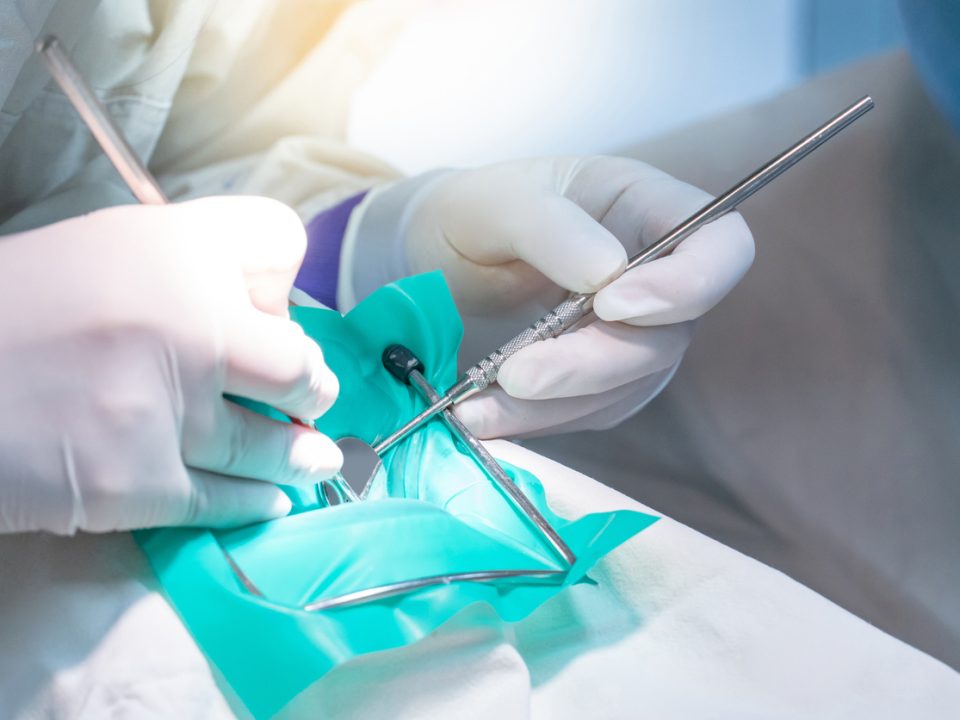
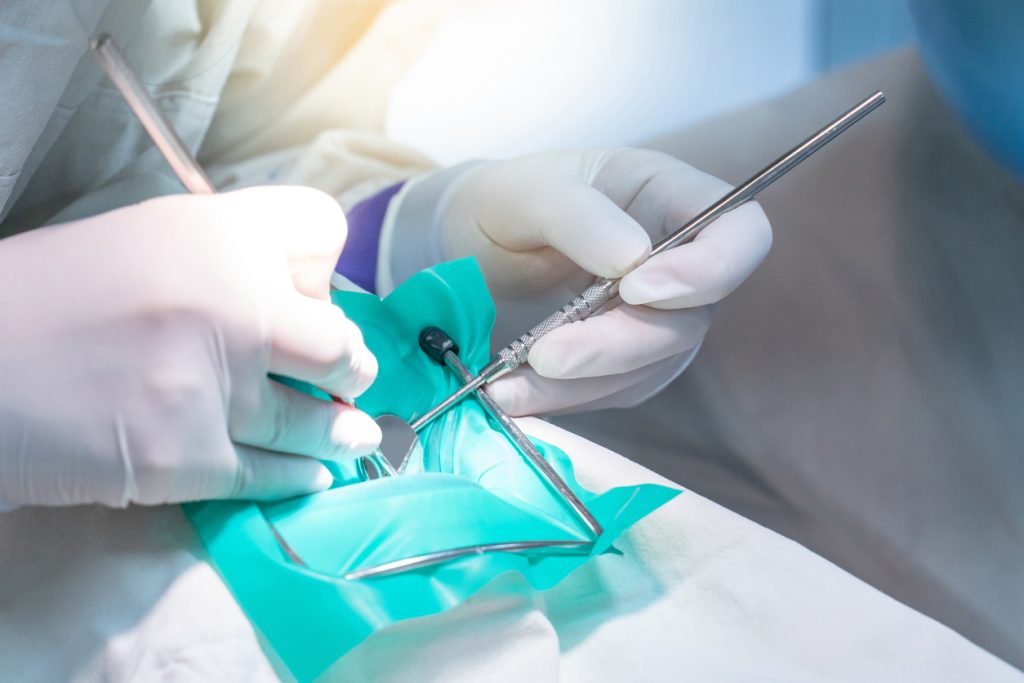
Once we have the dimensions, we use a minimally invasive soft-tissue flap to repair the opening. While you rest comfortably under deep sedation, your oral surgeon will release a small section of healthy gum tissue from your cheek. Studies have shown that the adequate availability and easy handling of advanced buccal flap and the buccal fat pad (BFP) flap in the majority of patients makes this the perfect location to pull from [3] (Azzouzi et al., 2022). We carefully stretch this tissue over the opening and use dissolving stitches to secure a watertight seal.
The surgery is highly predictable and usually takes less than an hour. Once the gap is closed, bacteria cannot enter your nasal passages and the underlying bone can heal naturally.
Comparing Maxillary Sinus Procedures
| Treatment Pathway | Primary Goal | Cost Profile | Durability of Repair | Post-Op Maintenance Level |
| Oroantral Fistula Repair | Seal the hole between the sinus and mouth | Moderate | Permanent | Strict (No nose blowing, etc.) |
| Sinus Augmentation (Lift) | Build bone height for future implants | Moderate – High | Permanent | Low (Soft diet during bone fusion) |
| Simple Extraction | Remove an upper tooth without sinus breach | Low | Permanent | Low (Saltwater rinsing) |
| Watchful Waiting | Allow a microscopic hole to close naturally | Zero | Highly Variable | High (Requires intense monitoring) |
Cost & Financing in Fayetteville
Dealing with a surgical complication can be stressful enough without adding financial worry to the mix. Since an oronasal fistula can threaten your systemic health, the repair is considered a strict medical necessity.
Whether you carry TRICARE or a standard employer PPO plan, our administrative team works on your behalf. We expertly cross-reference your medical and dental benefits to ensure the highest possible coverage for your procedure. If you are an uninsured professional or if you face a surprise co-pay, we offer a couple of solutions. We accept CareCredit and offer the Village Family Dental Membership Plan, allowing you to break costs into manageable monthly payments.
FAQs
1. How do I know if I have a sinus hole after an upper tooth extraction?
The most common symptom is the movement of air or fluids. You might notice water coming out of your nose when you go for a drink. You may also hear a whistling sound when you speak or a sudden rush of air through your extraction socket when you breathe.
2. Can a sinus communication heal on its own without surgery?
If the opening is microscopic (less than 2mm), a healthy blood clot can sometimes seal the hole naturally. Any opening larger than that typically requires surgical intervention. The continuous pressure from breathing and speaking can make it very difficult for a larger gap to close on its own.
3. What are the strict sinus precautions after a fistula repair?
To protect the delicate stitches and ensure the seal holds, you should not blow your nose, use a straw, or plan wind instruments. If you feel the urge to sneeze, you should do so with your mouth completely open to prevent any complications.
References
[1] Azzouzi, A., Hallab, L., & Chbicheb, S. (2022). Diagnosis and Management of oro-antral fistula: Case series and review. International journal of surgery case reports, 97, 107436. https://doi.org/10.1016/j.ijscr.2022.107436
[2] Singh, A., Kodali, M. V. R. M., Pentapati, K. C., Chattopadhyay, A., Shetty, R., Patil, V., Gadicherla, S., & Smriti, K. (2023). Role of CBCT in Prediction of Oro-antral Communication Post Third Molar Extraction: A Retrospective Study. European journal of dentistry, 17(4), 1257–1262. https://doi.org/10.1055/s-0043-1760720
[3] Verma, R. R., & Verma, R. (2022). Oro-Antral Fistulas and their Management: Our Experience. Indian journal of otolaryngology and head and neck surgery : official publication of the Association of Otolaryngologists of India, 74(Suppl 2), 1576–1583. https://doi.org/10.1007/s12070-021-02739-x