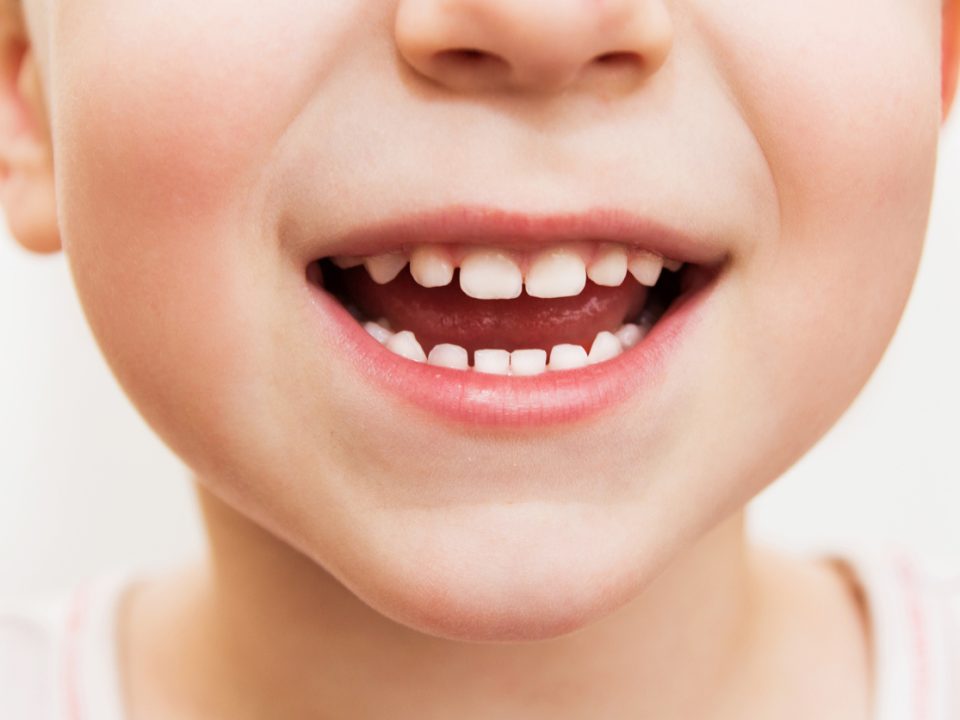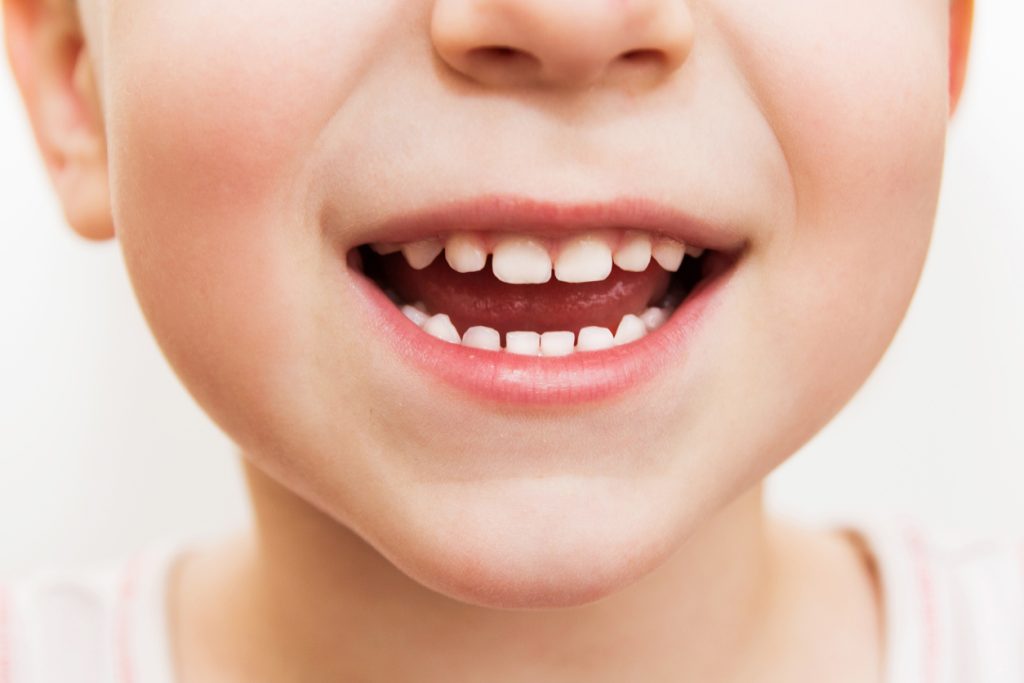

Toddler brushing in North Carolina is an essential daily practice for cleaning primary teeth with a small amount of fluoride toothpaste. Recommended by dentists, this routine should begin as soon as the first tooth erupts to remove plaque, prevent early childhood caries, and neutralize the effects of non-fluoridated well water.
Position for Home Brushing
Many parents in the Sandhills find it hard to brush their toddler’s teeth because the child is standing up and moving their head. At Village Family Dental, we recommend the Lap-lean position. Sit on the floor or a sofa with your toddler’s head resting in your lap. This position gives you a view of the upper and lower molars, which are the areas most prone to bottle rot in toddlers. By stabilizing the head, you can brush more efficiently in 60 seconds than you could in five minutes with a child standing at a tall bathroom sink. This technique mimics the professional positioning used in our clinics, ensuring you do not miss the gumline.
Fluoride dilemma and available water
The Centers for Disease Control supports that community water fluoridation is the controlled addition of a fluoride compound to a public water supply to achieve optimal concentrations for dental caries prevention [1] (CDC, 2024). A unique challenge for families in rural counties is the source of their water. If your home uses a private well, your water likely lacks fluoride, which hardens developing enamel. Without fluoridated city water, your toddler’s teeth are more vulnerable to acid from snacks and juices. Conversely, if you live in downtown Fayetteville or Hope Mills, your municipal water is likely fluoridated. During your visit to Village Family Dental, we provide a customized fluoride plan based on your zip code. For well-water families, using a fluoride-fortified toothpaste is an important medical defense against early childhood cavities.
Electric vs manual toothbrush for children
Parents often ask our dental teams if they should invest in an electric toothbrush for their three-year-old. Clinical literature supports that electric toothbrushes reduce 32% more plaque than manual toothbrushes [2] (Davidovich et al., 2021). For toddlers, the best brush is the one they will actually let you use. A manual brush with extra-soft bristles is often less intimidating for sensory-sensitive children. However, many parents find that a vibrating electric brush with a built-in timer helps a toddler stay engaged for the full two minutes. Regardless of the handle, the most important feature is a small, tapered head that can fit into the narrow spaces of a toddler’s jaw. At Village Family Dental, we recommend replacing the brush every 3 months to prevent bacterial buildup.
Comparing hygiene methods for toddlers:
| Method | Goal | NC water suitability | Parent Effort |
| Grooming wipes | Infants | Low | Minimal |
| Dry Brushing | Plaque removal | Poor | Moderate |
| Fluoride brushing | Decay prevention | Best for the Sandhills area | High regard |
| Xylitol gels | Bacteria reduction | Supplemental only | Low |
Overcoming brushing difficulties with children
As a parent, you need a routine that works without the tears. Instead of making brushing a demand, try letting your toddler choose the color of the toothbrush or the location to brush. Giving a toddler a sense of agency often reduces the fight-or-flight response. Another effective local favorite is using a toothbrushing song or a 2-minute video. By the time the song is over, the work is done. This prevents the dental phobia we see in older children and helps your child associate oral care with a positive family bonding moment.
Should my toddler avoid milk before bedtime?
One common cause of emergency dental visits in our St. Paul’s and Laurinburg offices is nursing caries, caused by the bedtime sippy cup. Clinical evidence supports that breastfeeding is more effective than bottle feeding in preventing dental caries in early childhood [3] (Avila et al., 2015). Even if you brush your child’s teeth perfectly at 7:00 PM, giving your child a bottle of milk or juice to take to bed at 8:00 PM can lead to problems. The sugars in milk adhere to the teeth all night, fueling bacteria that create deep cavities. To protect your child’s smile and avoid the cost of pediatric crowns, we advocate for water before bedtime. Once the teeth are brushed for the night, the only thing that should touch their teeth until breakfast is plain water. This simple habit can save you thousands of dollars in future restorative dental bills.
FAQs
1. What toothpaste should be used for children who cannot spit yet?
We recommend using a fluoride toothpaste even if your child cannot spit, provided you use only a small amount. This small amount is safe to swallow and provides the essential remineralization your toddler’s teeth need.
2. How do I brush my toddler’s teeth if they will not open their mouth?
Brush your own teeth alongside them to make it a game. If they remain resistant, the Lean-Back position in your lap provides the best control and safety for a quick, 2-minute clean.
3. Does well water cause cavities?
Sometimes. Most municipal water in Fayetteville and Hope Mills is fluoridated. However, private wells in rural NC typically lack fluoride.
References
[1] CDC. (2024, May 23). CDC Scientific Statement on Community Water Fluoridation. Community Water Fluoridation; CDC. https://www.cdc.gov/fluoridation/about/statement-on-the-evidence-supporting-the-safety-and-effectiveness-of-community-water-fluoridation.htmln
[2] Davidovich, E., Ccahuana-Vasquez, R. A., Timm, H., Grender, J., & Zini, A. (2021). Randomised clinical study of plaque removal efficacy of an electric toothbrush in primary and mixed dentition. International journal of paediatric dentistry, 31(5), 657–663. https://doi.org/10.1111/ipd.12753
[3] Avila, W. M., Pordeus, I. A., Paiva, S. M., & Martins, C. C. (2015). Breast and Bottle Feeding as Risk Factors for Dental Caries: A Systematic Review and Meta-Analysis. PloS one, 10(11), e0142922. https://doi.org/10.1371/journal.pone.0142922