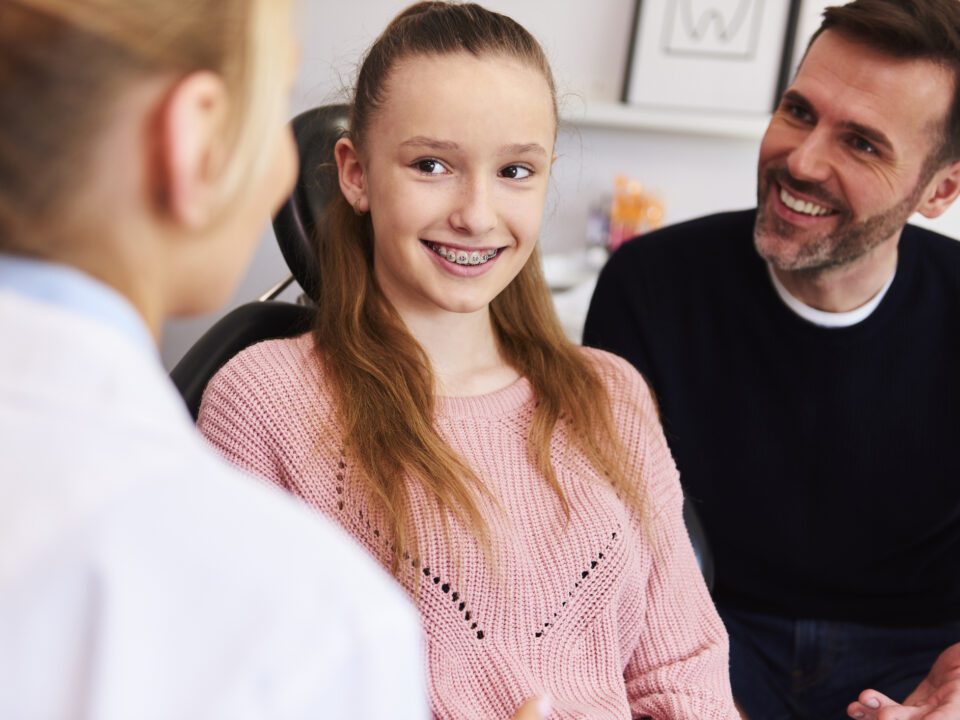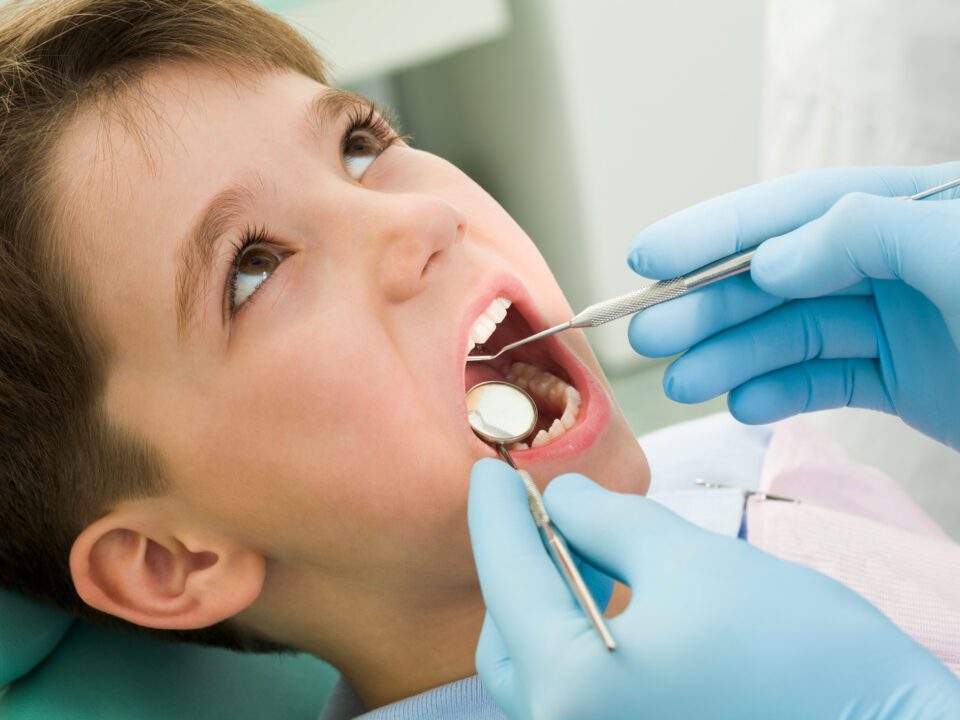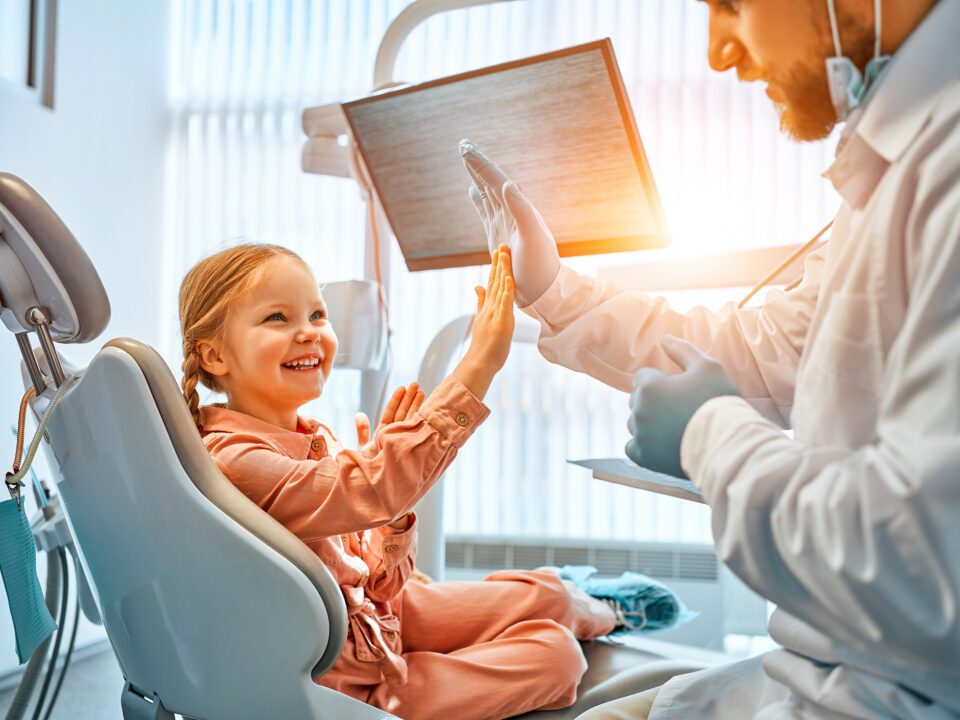

Special needs pediatric dentistry is a specialized dental discipline at Village Family Dental tailored for children with physical or sensory challenges. Our approach utilizes adaptive clinical techniques, sensory-friendly environments, and compassionate sedation options that are available to ensure every child receives oral healthcare in a safe, stress-free setting.
Sensory-Friendly Dental Experience
Many children with sensory processing sensitivities can find the traditional dental office overwhelming. The hum of tools, the bright exam lights, and the unfamiliar smells can trigger a response. At Village Family Dental, we have redesigned the clinical experience to be a low-stimulus zone. By controlling the environment, we prevent sensory overload before it begins, helping your child feel secure in the chair. This is not just about comfort but about clinical safety and building a foundation of trust.
Adaptive Behavioral Techniques for Dental Work
Medical literature supports the fact that, as a dental professional, you also need to be aware of the unique needs of patients with developmental disabilities (National Institute of Dental and Craniofacial Research, 2020). Therefore, our team utilizes evidence-based behavioral guidance techniques designed for children with Autism, ADHD, and developmental delays. The cornerstone of our approach is the tell-show-do method. First, we tell your child about a tool using age-appropriate, non-threatening language. Then, we show them how the tools work by gently making contact with their fingernails or showing them on a puppet. Finally, we proceed only when the child feels ready. This predictable rhythm reduces the fear of the unknown, which is the primary source of dental anxiety for special needs patients in the St. Paul’s community.
Sedation Options for Medical & Emotional Needs
Sometimes, despite a supportive environment, a child’s medical complexity or extreme anxiety requires extra help to ensure a safe procedure. We offer a spectrum of sedation dentistry options right here in our St. Pauls-area facilities. For mild anxiety, Nitrous Oxide (laughing gas) is a safe, effective way to help a child relax while remaining fully awake. Medical literature supports that there is a low risk of side effects and deep sedation; nitrous oxide appears to be the best choice to perform conscious sedation in individuals with intellectual disability (Salerno et al., 2023). For children with more significant physical or cognitive challenges who require extensive dental work, we provide deeper sedation options under the supervision of highly trained professionals. We prioritize safety above all else and conduct thorough medical screenings before administering any sedation. Our goal is to complete the necessary dental work in a single, stress-free visit, preventing the need for multiple traumatic appointments.
Comparing pediatric dental options:
| Feature | Standard pediatric dentistry | Village family special needs care |
| Appointment length | Standard | Flexible |
| Sensory tools | Limited | Yes |
| Staff training | General pediatric | Special needs and behavioral training |
| Sedation options | Basic | Full spectrum |
| Cost | Standard | Standard |
Why a Specialized Dentist Matters for Families
Consistency is vital for children who thrive on routine. Choosing Village Family Dental as your “Dental Home” means your child will see the same familiar faces in the same comfortable St. Paul’s office at every visit. This continuity of care allows our staff to learn your child’s specific “triggers” and “comfort cues” over time. Unlike general dentists who may see special-needs patients only occasionally, our practice is built around these unique requirements. We maintain detailed sensory profiles for our patients, so you do not have to explain your child’s needs from scratch at every check-up. We are proud to serve the families of St. Paul’s, Lumberton, and the surrounding areas, ensuring that high-quality specialized care is available right in your backyard.
How to Prepare Your Child for a First Visit
Preparation starts at home, and we partner with you to make the first visit a success. For parents in St. Paul’s, we recommend using simple visual guides that walk your child through what a dental visit looks like. You can also practice counting teeth at home with a toothbrush to get them used to the sensation of someone looking in their mouth. We often suggest scheduling desensitization appointments. These are short, non-clinical appointments where your child can meet the dentist, sit in the chair, and pick out a prize without any actual dental work being done. By removing the pressure of a cleaning or exam, we help your child associate our St. Paul’s office with a positive, low-stress experience.
FAQs
1. Who is the best dentist for children with special needs in St. Paul’s?
Village Family Dental is widely recognized as a leading provider of special-needs care in St. Paul’s because our clinicians undergo specialized training in treating patients with physical and developmental disabilities, ensuring a higher standard of “Adaptive Care.”
2. Does my child need sedation for a dental cleaning?
Not necessarily. Many children succeed with our “Sensory-First” approach and desensitization visits. However, if a child’s safety or anxiety requires it, we offer various levels of safe, monitored sedation.
3. Are your St. Paul’s dental offices wheelchair accessible?
Yes. Our St. Paul’s facility is fully ADA-compliant, with wide hallways and operatory rooms designed to accommodate wheelchairs and specialized medical equipment comfortably.
References
National Institute of Dental and Craniofacial Research. (2020). Developmental Disabilities & Oral Health | National Institute of Dental and Craniofacial Research. Nih.gov. https://www.nidcr.nih.gov/health-info/developmental-disabilities
Salerno, C., Cirio, S., Zambon, G., D’Avola, V., Parcianello, R. G., Maspero, C., Campus, G., & Cagetti, M. G. (2023). Conscious Sedation for Dental Treatments in Subjects with Intellectual Disability: A Systematic Review and Meta-Analysis. International journal of environmental research and public health, 20(3), 1779. https://doi.org/10.3390/ijerph20031779