Pediatric sedation for dental cleanings is a clinical protocol at Village Family Dental in St. Pauls used to provide safe, thorough preventative care for children with extreme anxiety or special needs. Clinical research indicates that both inhalation and parenteral sedation techniques could be used for dental management in children with autism spectrum disorder [1] (Alyahyawi et al., 2024). This approach utilizes sedatives to prevent involuntary movements, ensuring the dentist can safely use sharp cleaning tools without causing physical or emotional trauma.
Why is sedation used for more than just comfort?
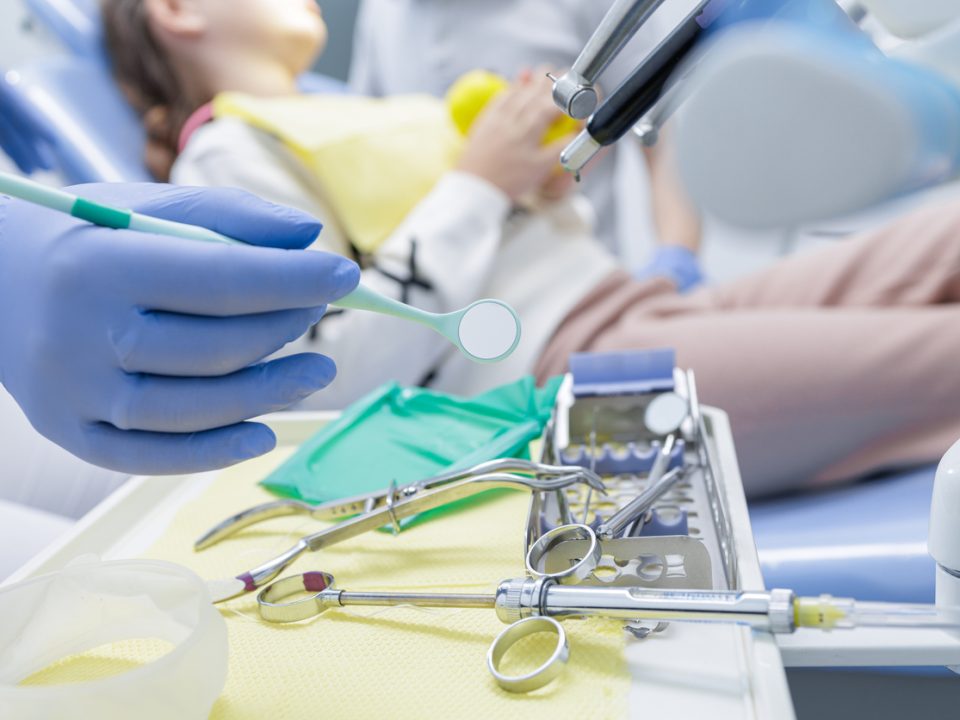
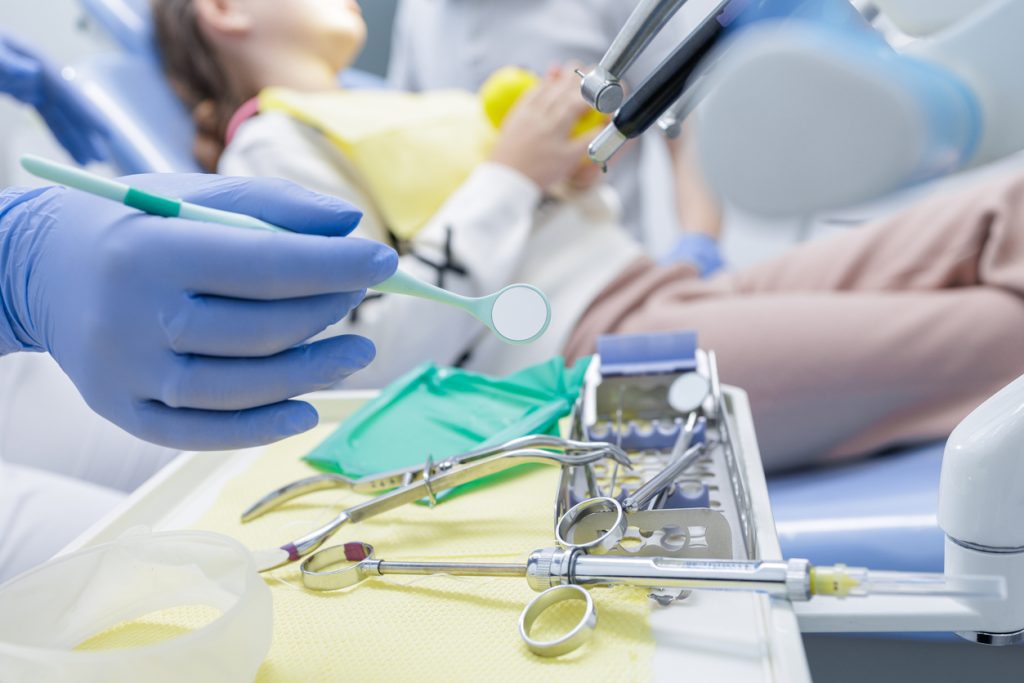
Professional dental cleanings use specialized instruments called scalers and high-speed polishers. While these tools are essential for removing plaque, they are physically small and require a steady, still patient. For a child with severe ADHD, Autism, or a high startle reflex, an involuntary movement while a clinician is working near the gumline can lead to accidental nicks or emotional distress. By using a mild sedative, we bridge the safety gap. This ensures that the dental professional can focus entirely on the precision of the cleaning while your child remains calm.
When environmental support is not enough, and sedation is needed
Village Family Dental is known for our sensory-first approach. However, there is a clinical threshold where environmental changes are no longer sufficient. We typically recommend moving from an environmental approach to a sedation-supported cleaning when a child’s sensory processing sensitivity leads to physical guarding. When this happens, forcing the cleaning can be traumatic. Our St. Paul’s team evaluates this threshold during every visit. If your child’s anxiety prevents a thorough exam, we pivot to pharmacological support to ensure they receive the high-quality preventive care they deserve without a struggle in the chair.
How do we break the cycle of dental trauma?
One of the most powerful medical benefits of pediatric sedation is the amnestic effect. Many of the medications we use in our St. Paul’s facility prevent the brain from forming short-term memories of the clinical procedure. This is a critical tool for parents. If a child with special needs has a white coat phobia, every routine visit can be a battle. By using sedation, we create a fear-relief arc. The child arrives, feels relaxed, and wakes up as if they had just had a nap, with no memory of dental tools or the pressure of the cleaning. Over time, this lack of negative memory helps lower their baseline anxiety, making it possible for some children to eventually transition to non-sedated cleanings.
Monitoring dental standards for children during supported visits
We understand that as a parent, your biggest concern is the safety of the medication itself. At Village Family Dental, we treat a sedated cleaning with the same medical rigor as a surgical procedure. During a supported cleaning in our St. Paul’s office, your child is monitored by a team specifically trained in Pediatric Advanced Life Support (PALS). We use hospital-grade sensors to track your child’s heart rate and oxygen saturation levels throughout the entire cleaning. This data-driven approach ensures we can adjust nitrous oxide or oral medication levels in real time. You are getting a specialized safety team that prioritizes your child’s physiological stability to ensure they are safe.
Table comparing Cleaning approaches for anxious patients
| Feature | Sensory-first | Nitrous oxide support | Conscious sedation |
| Best for | Mild nervousness | Moderate anxiety | Special needs |
| Physical safety | Dependent on the child’s control | High | Highest |
| Memory of the visit | Yes | Fuzzy | Minimal |
| Recovery time ` | Fast | 5 minutes | 2-4 hours |
ROI of sealants for children
According to the Centers for Disease Control, dental sealants provide protection against cavities for many years [2] (CDC, 2024). From a financial perspective, a sedated cleaning is a high-yield investment. If a child’s dental fear or special needs prevent them from having routine cleanings, small cavities can go undetected. A neglected cavity in a child with special needs can quickly turn into an infection that requires a pediatric root canal, a crown, or an emergency extraction, which are far more expensive and often require deep IV sedation or hospital anesthesia. By investing in a sedated cleaning today, you are effectively buying insurance against the thousands of dollars in restorative work that results from dental neglect. We work with you to utilize CareCredit or NC Medicaid to ensure this preventive step fits your household budget.
FAQs
1. Is it common for kids to be sedated for a routine cleaning?
In a specialized pediatric environment like Village Family Dental, yes. While most children do well with our “Tell-Show-Do” method, about 20% of patients with high sensory needs or medical complexities require sedation to ensure their preventative care is effective and safe.
2. Will my child still need a “Happy Visit” if they are being sedated?
Absolutely. We still recommend a desensitization visit at our St. Paul’s office. Even if your child is sedated for the actual cleaning, becoming familiar with the office sights and smells helps lower their baseline anxiety for future visits.
3. Can I request sedation for a cleaning if my child does not have a disability?
Yes. If your child has had a previously traumatic dental experience elsewhere, sedation can “reset” their fear cycle. Our goal is to move your child toward non-sedated visits over time, using sedation as a bridge to build trust.
References
[1] Alyahyawi, A., Barry, M., & Helal, N. M. (2024). Dental Conscious Sedation for the Treatment of Children With Autism Spectrum Disorder: A Narrative Review. Cureus, 16(7), e64834. https://doi.org/10.7759/cureus.64834
[2] CDC. (2024, May 23). About Dental Sealants. Oral Health. https://www.cdc.gov/oral-health/prevention/about-dental-sealants.html