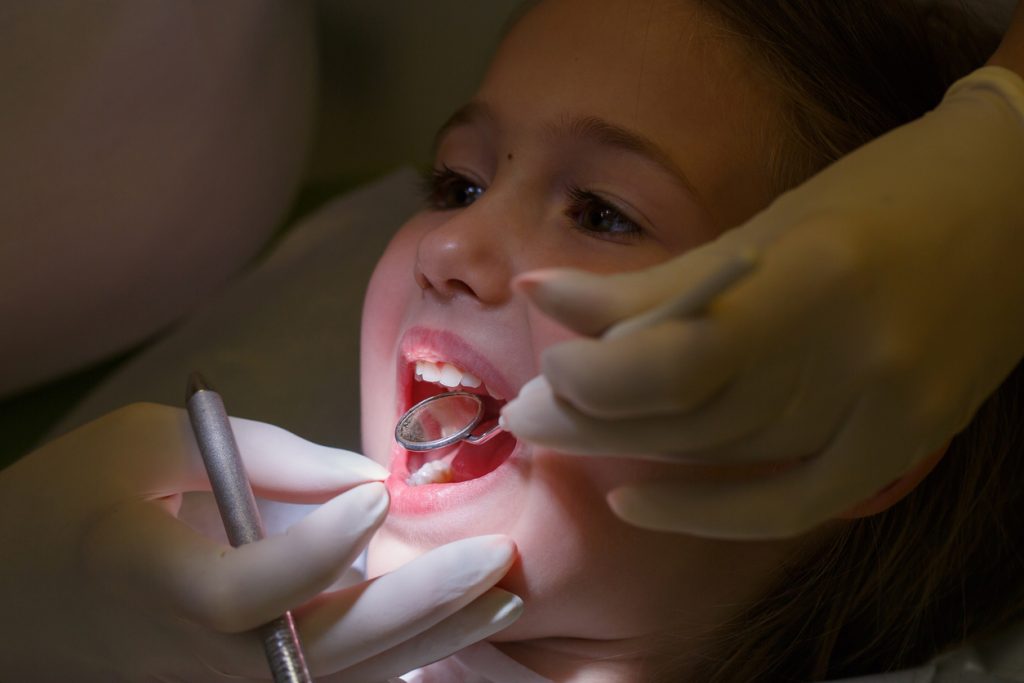

Pain-free pediatric dentistry is a specialized approach that uses advanced numbing techniques, behavioral guidance, and tailored sedation to eliminate physical discomfort. This modern method ensures your child receives essential oral healthcare in a completely relaxed, fear-free environment without experiencing traditional dental pain.
Modern tools used to prevent discomfort
At our Raeford clinic, we have replaced those outdated triggers with modern, kid-friendly technology. To prevent the pinch of an injection, we use clinical-strength, fruit-flavored topical anesthetics that completely numb the gums before any work begins. Clinical research supports that fruit-flavored topical anesthetics work effectively [1] (Deepika et al., 2012). Once the tooth is asleep, our dentists use low-vibration handpieces. These advanced tools remove the aggressive shaking and loud noises that typically scare young patients. By upgrading our physical equipment, we remove the sensory triggers that cause a child to perceive pain, even when the child is fully numb.
Managing your child’s numb lip at home
One of the most common issues parents face after a pain-free filling is not the tooth but the numb lip. Because your child will not feel their cheek, lip, or tongue for about 1 to 2 hours after leaving our office, they might bite or chew on the tissue because the tissue feels uncomfortable. To prevent self-inflicted soreness, we recommend a strict liquid or soft-food diet until the numbness wears off entirely. Keep a close eye on them during the car ride home, and remind them to keep their fingers and teeth away from their lips.
How parents can help to ease discomfort for their child
Your child’s pain-free experience actually starts at home. Children are incredibly perceptive and will pick up on your own dental anxieties. To ensure the visit goes smoothly, we ask parents to avoid using words such as “shot,” “needle,” “drill,” or “hurt.” Instead, frame the visit positively. Tell them the dentist is going to “wash the sugar bugs away” and “put the tooth to sleep.” By controlling the narrative at home, you lower your child’s cortisol levels before they even walk through our doors. A calm child absorbs numbing medication more effectively and responds much better to our behavioral guidance techniques.
The danger of delaying treatment
As a parent, it is completely natural to want to protect your child from a potentially scary procedure. Medical literature supports that there is an association between dental anxiety and dental neglect [2] (Mariam et al., 2025). Practicing watchful waiting on a known cavity is the fastest route to real, severe pain. A small cavity that can be fixed today in 15 minutes with simple topical numbing and zero tears will eventually become infected. Once a tooth becomes infected, the pain is constant and often requires more extensive, stressful treatments to fix. By utilizing our pain-free ecosystem now, you are saving your child from the sudden, late-night toothaches that disrupt their sleep and school week.
Why families trust our team at Village Family Dental
Not every dentist is equipped to handle the unique emotional and physical needs of a nervous child. Village Family Dental is a trusted staple in the Raeford community because our staff undergoes continuous, specialized training in pediatric behavioral management and advanced pain control. We take the time to read your child’s body language and adjust our pace to match their comfort level. Whether your child is a toddler from a local Hoke County preschool or an older student needing their first cavity filled, they receive the patience, empathy, and expert care they deserve.
FAQs
1. How long does it take for a child to wake up after sedation in Raeford?
If your child receives oral conscious sedation at our Raeford clinic, they will not be fully “asleep,” but they will be very drowsy. Once the appointment ends, the strongest effects begin wearing off within 30 to 60 minutes. However, it typically takes 2 to 4 hours for the medication to completely clear their system. We recommend planning a quiet afternoon at your Raeford home, letting them nap on the couch while monitoring them until they can walk steadily.
2. Do you use needles for pain-free cavity fillings?
While local anesthesia remains the most effective way to completely numb a tooth for a filling, our approach makes the procedure virtually unnoticeable. We first apply a clinical-strength topical numbing gel to the gums to numb the surface tissue. By the time we administer the anesthesia, your child will only feel slight pressure, not the sharp sting of a needle.
3. Can I stay in the room during a pain-free dental procedure?
Yes. We strongly encourage parents to be part of the comfort process. Your presence is a massive source of anxiety relief for your child. We simply ask that parents act as a “silent, supportive partner” while our pediatric specialists guide your child through the procedure using our proven behavioral techniques.
References
[1] Deepika A, Rao CR, Vinay C, Uloopi KS, Rao VV. Effectiveness of two flavored topical anesthetic agents in reducing injection pain in children: a comparative study. J Clin Pediatr Dent. 2012;37(1):15-18. doi:10.17796/jcpd.37.1.h4jl152t334j3802
[2] Mariam, R., Faisal Malik, J., Rafique, M. H., Soomro, A. H., Abu Kariem, A., Jarbou, R., Ibrar, A., Mahdi, I., & Obied, B. (2025). Effect of Dental Fear on Delay in Seeking Dental Treatment Among Adults in a South Asian Setting. Cureus, 17(7), e87540. https://doi.org/10.7759/cureus.87540