Pediatric dental sedation support is a collaborative clinical protocol at Village Family Dental designed to keep children calm during procedures by using medication while involving parents as emotional anchors. In Fayetteville, parents are typically encouraged to remain present during the initial relaxation phase to reduce separation anxiety before the clinical team begins the procedure.
How to communicate with your child about sedation
We recommend avoiding words such as medicine, sleep, or surgery, which can unintentionally trigger a fear response. Instead, tell your child they are going to wear a cool astronaut mask (for nitrous oxide) or drink juice that makes them feel silly and relaxed. By keeping your explanation simple and positive, you prevent the anticipatory anxiety that can make sedation less effective. Remember, if you are calm, they will be calm. Our Village Family Dental team is trained to pick up where your script leaves off, using the same kid-friendly terminology once you arrive at the clinic.
Managing the Family on Procedure Day
For parents managing multiple children in Cumberland County, procedure day requires a bit of strategy. We strongly advise that you do not bring siblings to a sedation appointment. A child waking up from sedation requires your 100% undivided attention and physical support. If you are coming from the Fort Liberty area or Raeford, try to coordinate with a friend or utilize local childcare for the other siblings. Having a quiet house ready for your return is essential as well. Sedated children can be easily overstimulated by the high energy of brothers or sisters. Setting up a recovery area in a separate room with low lights and soft music ensures the patient can wake up fully without the stress of a busy household.
The Parents’ Day-of Checklist for Sedation
To ensure adherence to the NPO (nothing by mouth) protocol, we suggest moving snacks to a higher shelf. What to wear and bring:
- Loose Clothing: Opt for a short-sleeved T-shirt. This allows our Fayetteville staff to easily place blood pressure cuffs and pulse oximeters without making your child feel restricted.
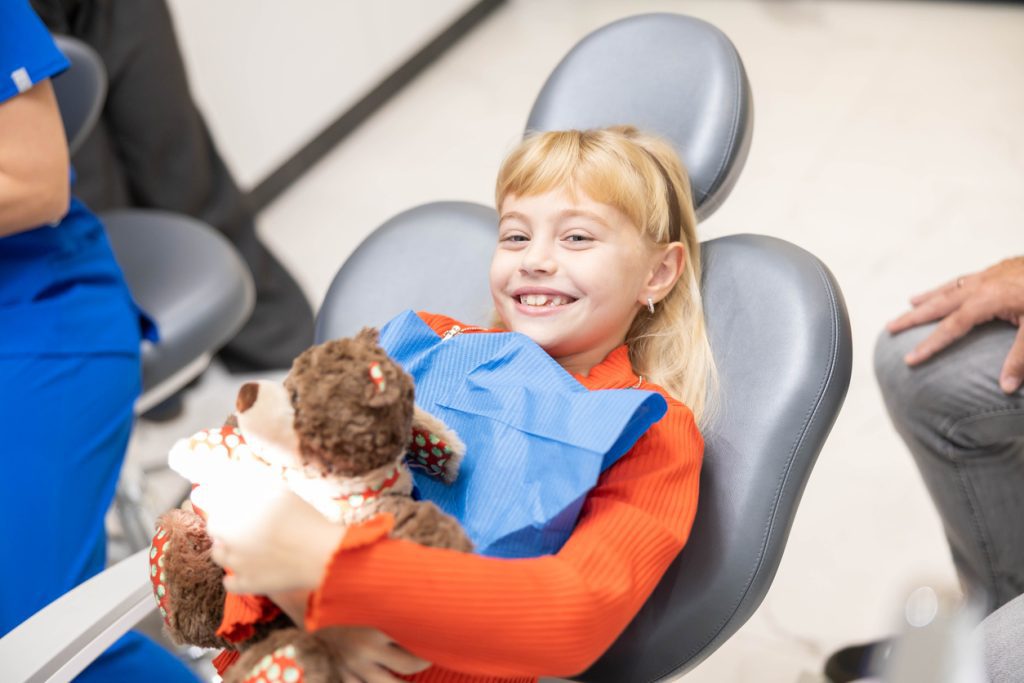
- Comfort item: Bring one familiar item from home, like a stuffed animal or a favorite blanket. These items carry the scent of home, which provides a great deal of psychological comfort as the medication begins to take effect.
- Extra clothes: Always pack a spare set of clothes in your car, just in case of post-sedation nausea.
The Specialized Safety Team
During a sedation appointment in our Fayetteville or Hope Mills clinics, your child is never under the care of just one person. Clinical evidence suggests that inhaled conscious sedation is commonly used in pediatric dentistry and is a safe technique with good results [1] (Cenzato et al., 2025). The team typically consists of three distinct roles:
- The Pediatric Dentist: Focused entirely on the precision of the dental repair.
- The Sedation Monitor: A dedicated professional whose only job is to observe the child’s numbers. They track heart rate, oxygen levels, and breathing patterns every single second.
- The Patient Advocate: Usually a highly trained dental assistant who ensures your child is physically comfortable and positioned correctly.
This multi-person approach is the gold standard in North Carolina, ensuring that while the dentist fixes the smile, an airway expert safeguards your child’s health.
Table that compares parent roles by sedation level
| Sedation type | Parents role | Presence during procedure | Recovery support |
| Nitrous oxide | High | Usually present | Immediate |
| Oral sedation | High | Waiting room | High |
| IV sedation | Moderate | Waiting room | High |
| General anesthesia | Low | Waiting room | professional recovery |
Investing in preventing dental fear as your child ages
Many parents ask if sedation prevents a child from learning how to behave at the dentist. Clinical evidence actually suggests the opposite. By using sedation, we prevent the biological memory of pain. The medical literature supports the view that pediatric dental sedation enables the clinician to provide treatment in a minimally traumatic manner and to preserve the child’s trust [2] (Nelson et al., 2015). When a child has a traumatic experience, their brain hardwires a fight-or-flight response for every future dental visit. This often leads to adult dental avoidance and thousands of dollars in neglected care later in life. Sedation allows the child to have a successful, painless visit. They wake up feeling like a hero who conquered the dentist. This builds a foundation of bravery, eventually allowing many children to transition to standard, non-sedated cleanings as they grow. You are not just fixing a cavity today; you are protecting their relationship with healthcare for several years thereafter.
FAQs
1. Can I bring their sibling to the sedation appointment?
We strongly recommend arranging childcare for siblings. During a sedation visit, the patient needs your undivided attention, especially during the drowsy recovery phase.
2. What if my child requests me while in the waiting room?
The medications used for oral and IV sedation have an amnestic effect. This means your child will likely not realize you have stepped out of the room.
3. What is the “Transfer of Trust”?
This is the specific clinical moment in our Fayetteville office where the parent moves from the primary caregiver to the supportive partner.
References
[1] Cenzato, N., Pasquali, L., Menozzi, G., & Maspero, C. (2025). Exploring Conscious Sedation in Pediatric Oral Surgery: A Non-Randomized Clinical Trial on Safety and Efficacy. Children (Basel, Switzerland), 12(5), 604. https://doi.org/10.3390/children12050604
[2] Nelson, T. M., & Xu, Z. (2015). Pediatric dental sedation: challenges and opportunities. Clinical, cosmetic and investigational dentistry, 7, 97–106. https://doi.org/10.2147/CCIDE.S64250