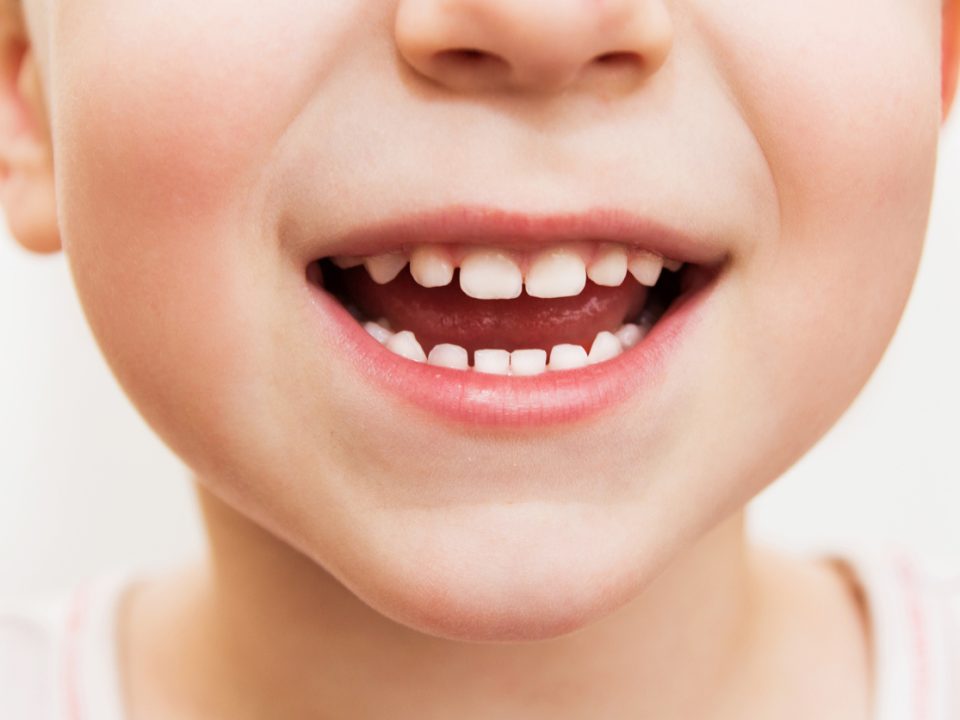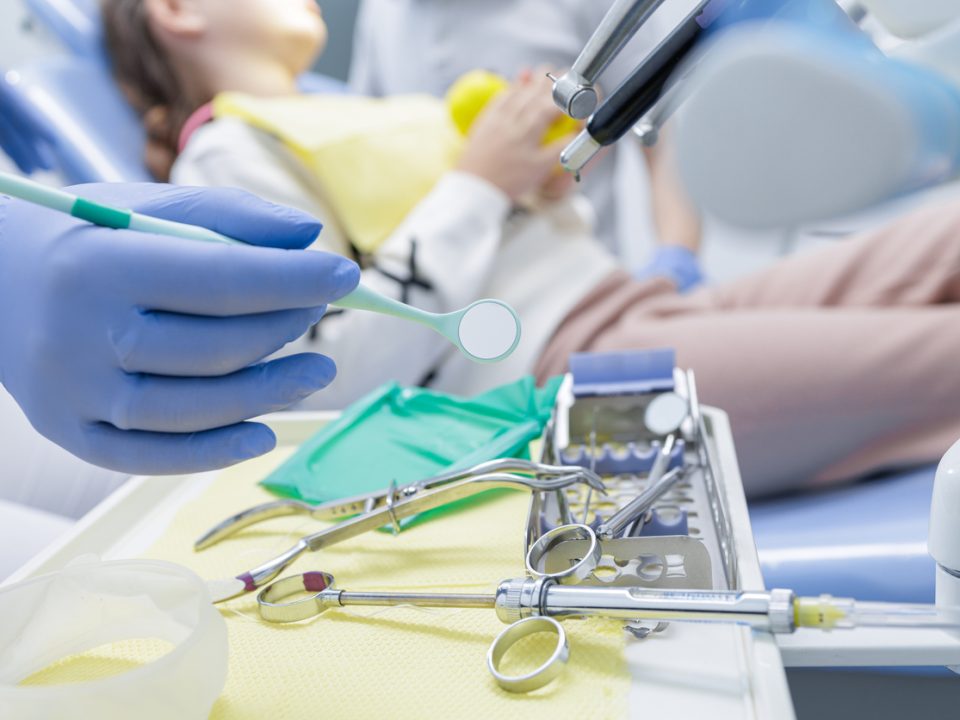

Silver diamine fluoride (SDF) treatment is a needle-free, FDA-cleared liquid medication used by pediatric dentists to instantly stop the progression of tooth decay. Applied with a small brush, SDF kills cavity-causing bacteria and hardens the tooth structure, providing a non-invasive alternative to traditional drills and fillings for pediatric patients.
Why SDF is preferred over sedation
For many parents in Scotland County, the primary concern is not just the cavity but the thought of their child needing oral conscious sedation or IV anesthesia to remain still during a filling. While Village Family Dental offers world-class sedation, SDF provides a “middle ground” for children with mild to moderate anxiety. Because the treatment involves no needles and takes less than a minute, we can often bypass the nothing-by-mouth (NPO) protocols and recovery time. This makes SDF an ideal solution for parents who need to get their child back to daycare without a groggy afternoon.
The Role of SDF and Saving Teeth
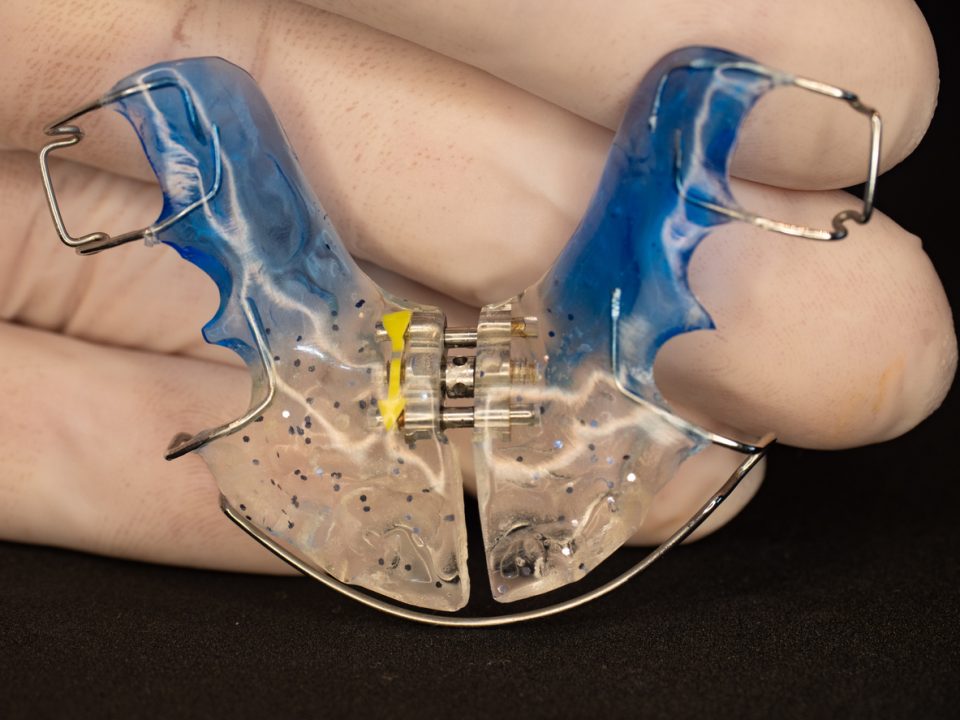
Clinical evidence supports the view that understanding the SDF antimicrobial and remineralization mechanisms is essential for optimizing its use in caries management [1] (Jamal et al., 2025). A common question we hear at our Laurinburg office is why we should treat a baby tooth that is destined to fall out anyway. As noted in our previous guide, baby teeth act as critical placeholders for adult teeth. If a cavity causes a baby molar to be lost prematurely, the surrounding teeth may shift, leading to costly orthodontic treatment later. SDF allows us to halt decay in these placeholder teeth, keeping the tooth functional and in place until the permanent tooth erupts naturally. By using SDF to arrest the decay today, you are essentially buying insurance against the future cost of space maintainers.
Efficacy of SDF
Village Family Dental utilizes a clinical-strength 38% SDF solution. Clinical literature supports that the use of 38% SDF is highly effective in arresting caries in adult patients and provides a minimally invasive treatment option [2] (Rashid et al., 2025). The silver component acts as a potent antimicrobial agent, breaking down the cell walls of Streptococcus mutans. Simultaneously, the fluoride component remineralizes softened dentin. Research indicates that SDF has an 80% success rate in stopping the progression of decay when applied twice yearly. This dual-action approach not only kills the infection but also creates a “hardened” surface that is more resistant to future acid attacks from sugars and snacks.
Table that compares fillings and SDF
| Feature | SDF | Composite filling |
| Pain | None | Numbing |
| Time per tooth | <1 minute | 20-40 minutes |
| Aesthetics | Turns cavity black | Tooth-colored |
| Durability | May requires re-application | Long-term |
| Sedation | Not needed | Sometimes for anxiety |
SDF and black spots left on teeth
The most distinct characteristic of SDF is that it stains the decayed area of the tooth permanently black. This happens because the silver in the liquid oxidizes when it contacts bacteria. While this may concern some parents, many Laurinburg parents see it as a small price to pay to avoid a drill and a needle. Remember that black color is a sign of success; it indicates the bacteria are dead and the cavity is arrested. The American Dental Association supports the use of SDF to arrest caries lesions [3] (American Dental Association, 2023). For cavities on back molars, the staining is rarely visible during a normal smile, making it a discreet and highly effective clinical choice.
Medicaid and TRICARE: Accessibility for Families
Village Family Dental believes that high-tech, pain-free care should be accessible to everyone in our community, from the neighborhoods near North Main Street to the military families commuting from Fayetteville. Silver Diamine Fluoride is a high-value treatment because NC Medicaid and Health Choice widely cover it, often with $0 out-of-pocket costs for pediatric patients. For families stationed near Fort Liberty, the TRICARE Dental Program often covers SDF as a cost-effective restorative alternative. If you are a parent looking to maximize your insurance benefits while avoiding the high costs of surgical extractions, SDF is often the most financially sound decision you can make for your child’s oral health.
FAQs
1. Why does the tooth turn black after SDF treatment?
The silver in the medication oxidizes when it comes into contact with bacteria in the cavity. This turns the decayed area dark black. This is actually a positive sign—it means the medication is working and the cavity has been successfully “arrested” or frozen.
2. Can SDF be used on adult teeth?
While most commonly used on baby teeth to avoid extractions before they naturally fall out, SDF is also an excellent option for permanent molars in children or adults, especially if the cavity is in a difficult-to-reach area or the patient wants to delay more invasive surgery.
3. Are there any side effects to Silver Diamine Fluoride?
The most common side effect is a temporary metallic taste in the mouth. If the liquid touches the gums or skin, it may leave a small, harmless dark spot similar to a “henna tattoo” that disappears within a few days as the skin naturally exfoliates.
References
[1] Jamal, D., AlMushayt, A., Abujamel, T., Bamashmous, S., Bamashmous, N., & Alamoudi, N. (2025). Silver diamine fluoride: the science behind the action – a narrative review. BMC oral health, 25(1), 1195. https://doi.org/10.1186/s12903-025-06107-x
[2] Rashid M. E. (2025). Effectiveness of Silver Diamine Fluoride in Arresting Caries in Adult Patients. Journal of pharmacy & bioallied sciences, 17(Suppl 2), S1288–S1290. https://doi.org/10.4103/jpbs.jpbs_240_25
[3] American Dental Association. (2023, September 19). Silver diamine fluoride. Www.ada.org. https://www.ada.org/resources/ada-library/oral-health-topics/silver-diamine-fluoride