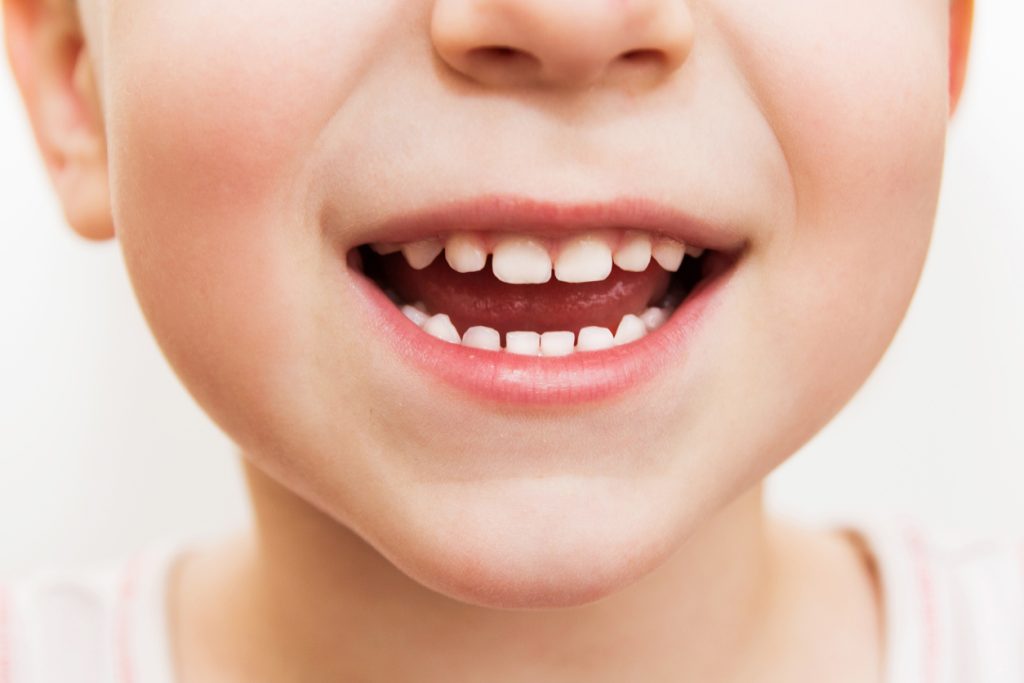

Dental-friendly snacks for children are nutrient-dense foods such as hard cheeses, crunchy vegetables, and lean proteins that physically scrub plaque from teeth and neutralize mouth acids. These snacks protect enamel by stimulating saliva flow and providing essential minerals like calcium and phosphate to remineralize teeth between meals.
How to Pair Snacks for Protection
Many parents at Village Family Dental are surprised to learn that how your child eats is just as important as what they eat. Every time your child eats a carbohydrate, mouth bacteria produce acid. This acid attack lasts for about 20 minutes, softening the enamel. To cut this time in half, use the Protein Pairing method. If your child wants an acidic snack, pair it immediately with a piece of cheese or a spoonful of plain yogurt. The fats and proteins in dairy act as a buffer, neutralizing the acid and rinsing away the sticky sugars. Clinical evidence supports that milk and dairy products are beneficial and non-cariogenic in children [1] (Vitiello et al., 2024). This hack lets your child enjoy their favorite fruits while keeping their mouth in a safe, neutral pH range.
Packing lunches that are beneficial for enamel
Whether your child is heading to Eastover Central Elementary or Scotland High, their school lunchbox is a primary danger zone for hidden sugars. Many pre-packaged school snacks like fruit leathers, granola bars, and juice boxes are marketed as healthy, but are clinically similar to candy because they stick to the grooves of the teeth for hours. For a tooth-safe lunchbox, we recommend the Rule of Three:
- A Crunchy Base: Sliced bell peppers or cucumbers.
- A Calcium Source: String cheese or a yogurt tube.
- The Main Rinse: A bottle of plain water.
Avoid packing starches like white bread or gold-colored crackers, which turn into sugar that lingers in the mouth until they get home to their toothbrush.
Snack guide for the summer
During the hot, humid summers in Hope Mills and St. Paul’s, kids are constantly looking for ways to cool down. While sweet tea and slushies are local staples, they are the fastest route to an emergency dental visit. Liquid sugar coats every surface of the tooth, leading to rapid decay. Instead, try frozen grapes or frozen watermelon chunks, which provide the hydration and cooling your child needs without the added refined sugars. These frozen treats also stimulate more saliva flow than room-temperature snacks, which helps naturally wash away debris while your kids are playing.
A table that compares popular snacks
| Snack type | Dental impact | Maintenance level | Recommended action |
| Fruit gummies | Critical | High | Avoid or treat as dessert |
| Goldfish | Moderate | Moderate | Limit to mealtimes |
| Cheese | Low | Low | Ideal |
| Raw veggies | Zero | Lowest st | Great for snacking |
Foods to avoid while your child has braces
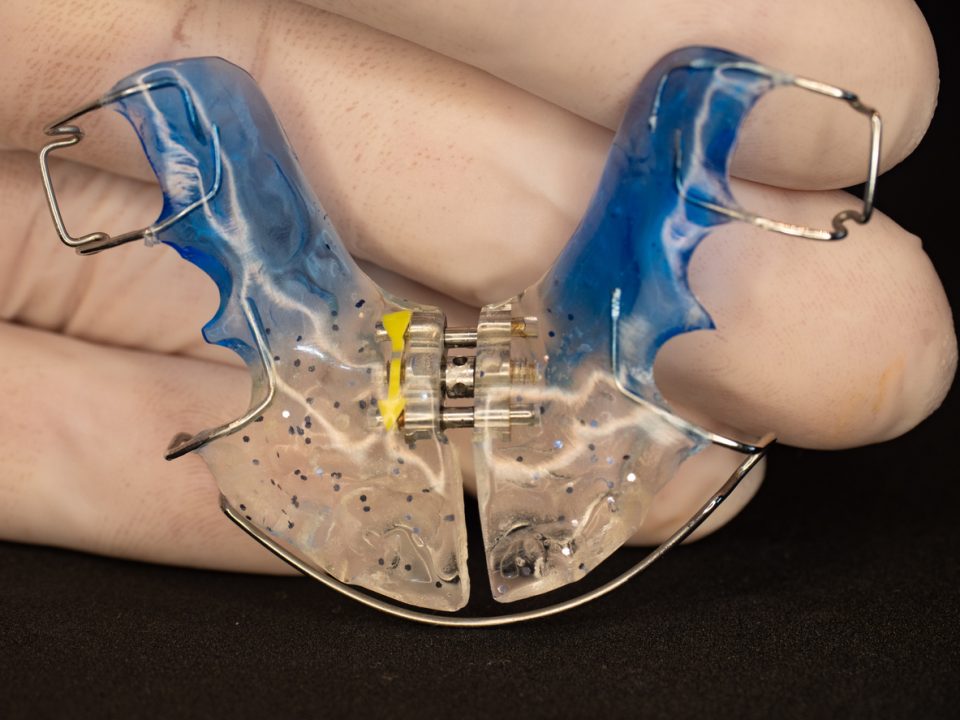
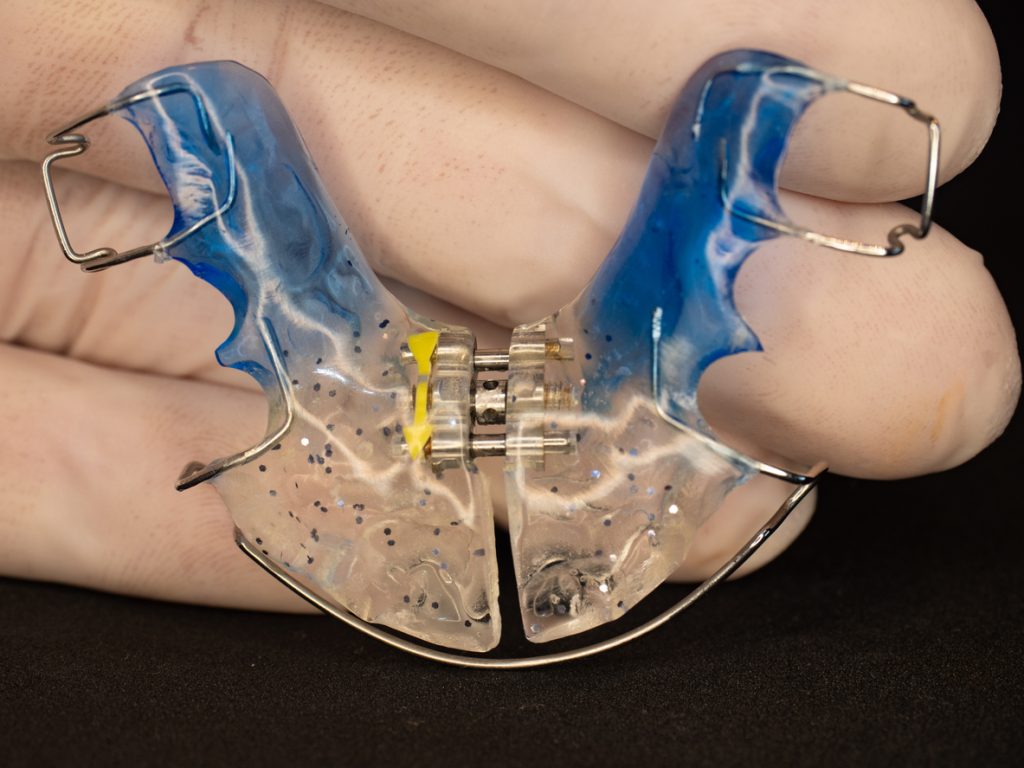
The American Association of Orthodontists suggests avoiding foods such as hard candy, popcorn, bagels, ice, snack chips, and pretzels [2] (Palmer, 2023). If your child has recently started Phase 1 or Phase 2 Orthodontics at our Raeford or Laurinburg clinics, their snacking habits must change to protect their investment. Hard or crunchy snacks like pretzels, nuts, and popcorn kernels are the leading causes of broken brackets and bent wires. Focus on snacks that provide nutrition without the risk of mechanical injury. Hummus with soft pita bread, avocado slices, and bananas are excellent choices. By choosing braces-safe snacks, you avoid the stress of unscheduled emergency appointments and keep your child’s orthodontic progress on track.
Well water and tap water comparison for enamel
Medical literature supports a relationship between drinking fluoridated well water and the prevalence of fluorosis in individuals up to 18 years of age [3] (Oliveira et al., 2023). In the rural outlying areas of North Carolina, many families rely on private well water. While well water is often crisp and refreshing, it usually lacks the optimal fluoride levels found in municipal water. Without fluoride, your child’s enamel is naturally thinner and more prone to damage. If you live in a well-water household, your choice of snacks becomes your child’s primary medical defense. We recommend choosing snacks naturally high in phosphorus and calcium, such as pumpkin seeds or broccoli, to compensate for the lack of fluoridated water. During your next visit to Village Family Dental, ask us for a water check to determine whether your child needs supplemental fluoride to keep their teeth strong 365 days a year.
FAQs
1. Is popcorn a safe snack for my child’s teeth?
Popcorn is better than sugary snacks, but it carries risks. Unpopped kernels can chip small teeth, and hulls often get trapped in the gumline, leading to irritation. If your child eats popcorn at a Fayetteville Woodpeckers game, ensure they floss immediately afterward.
2. Why are crackers considered bad for teeth if they are not sweet?
Crackers are highly processed starches. When mixed with saliva, they turn into a sticky paste that settles into the deep grooves of molars (where dental sealants are usually applied). Bacteria then turn that starch into acid just as quickly as they do with candy.
3. What is the best “sweet” treat that won’t cause cavities?
Xylitol-sweetened treats are a great alternative. Xylitol is a natural sugar substitute that bacteria cannot digest. In fact, it can actually help reduce the number of decay-causing bacteria in the mouth.
References
[1] Vitiello, F., Bourgeois, D., Orilisi, G., Orsini, G., & Carrouel, F. (2024). Non-Cariogenic Effect of Milk and Dairy Products on Oral Health in Children and Adolescents: A Scoping Review. Children (Basel, Switzerland), 11(2), 149. https://doi.org/10.3390/children11020149
[2] Palmer, M. (2023, January 26). What Can I Eat with Braces. American Association of Orthodontists. https://aaoinfo.org/blog/what-can-i-eat-with-braces/
[3] Oliveira Chagas, F., Rocha Valadas, L. A., Sorazabal, A., Dayo, A., Botelho Dantas, T. C. F., & Squassi, A. (2023). Fluoride in drinking groundwater and prevalence of fluorosis in children and adolescents: A systematic review. Fluoruro en el agua subterránea potable y prevalencia de fluorosis en niños y adolescentes: Una revisión sistemática. Acta odontologica latinoamericana : AOL, 36(3), 169–176. https://doi.org/10.54589/aol.36/3/169