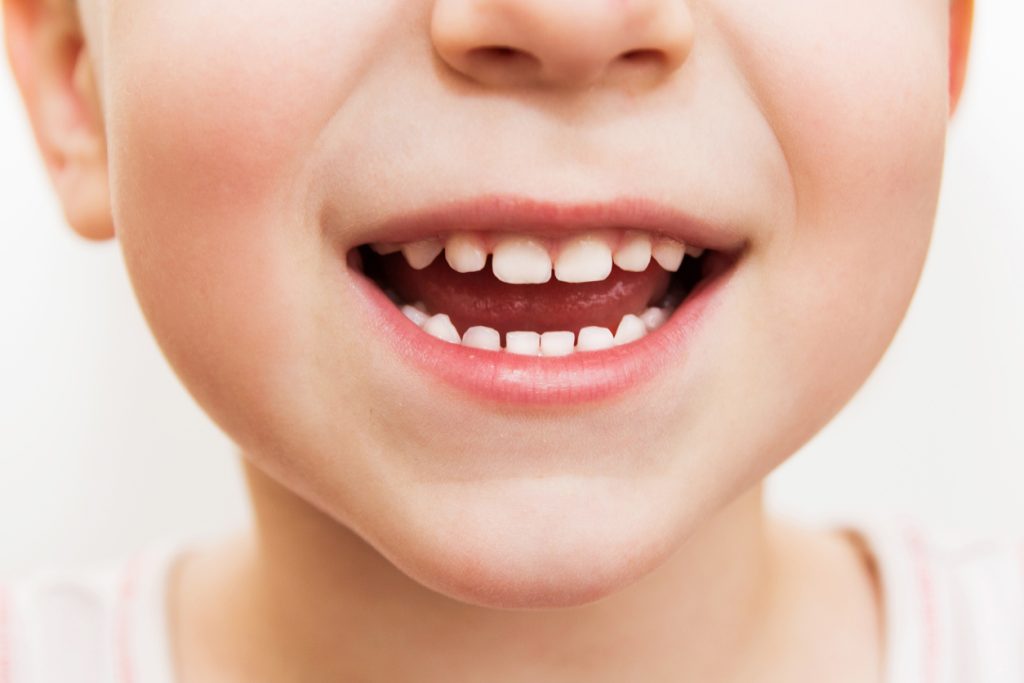
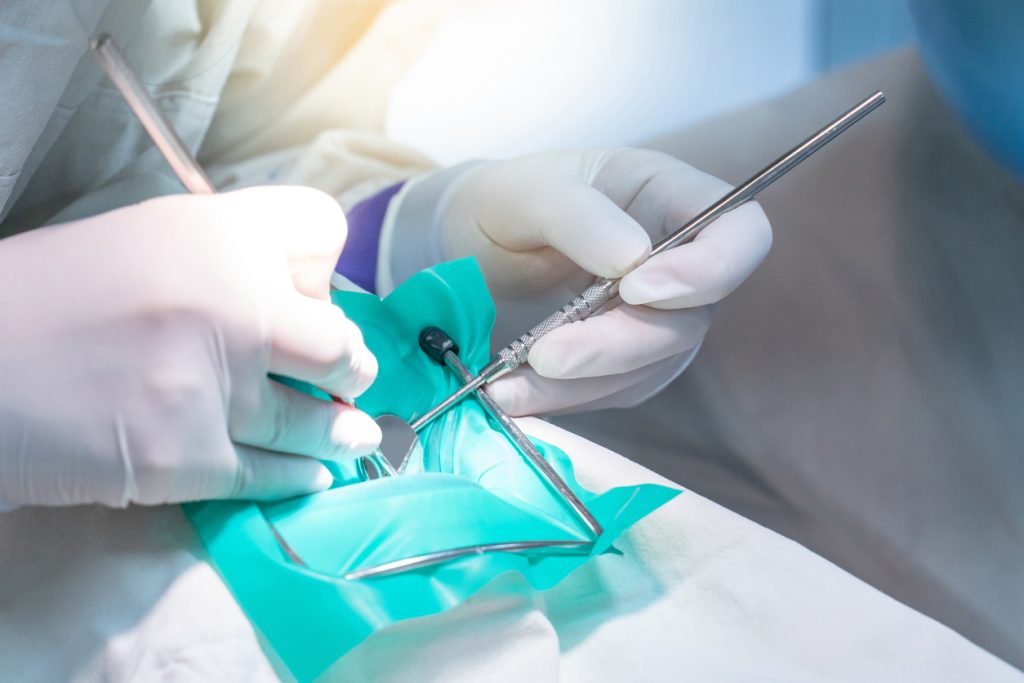
A pediatric pulpotomy is a specialized dental procedure used to save a severely decayed primary tooth. Medical literature supports the use of pulpotomies as a strategy for managing pulpitis [1] (Zhang et al., 2025). The procedure involves removing infected parts of the tooth’s pulp while leaving the healthy portion intact, preventing pain, infection, and the need for extraction.
The Risks of waiting for dental treatment
For parents, it might be tempting to wait for a baby tooth to fall out on its own rather than scheduling a pulpotomy. However, in our Raeford clinic, we see that untreated decay progresses through thin primary enamel at an alarming rate. If a pulpotomy is delayed, the infection can spread from the tooth’s nerve into the surrounding jawbone, causing a painful facial abscess. This progression often turns a manageable $300 procedure into an emergency extraction and an urgent need for a space maintainer. By acting the moment your child mentions sensitivity while eating at local Raeford favorites or during school lunch, you are choosing the most cost-effective and least invasive path. Proactive care ensures the infection does not spread to the developing permanent tooth bud, which lies just beneath the surface.
Anxiety-Free Pulpotomies
Clinical literature suggests that the success of a pulpotomy technique depends on the accurate investigation, diagnosis, and selection of the correct medicament [2] (Jha et al., 2021). We know the term “root canal” is scary for any parent. At Village Family Dental, we specialize in Anxiety-Free Restorative Care tailored for children who may be nervous about the sights and sounds of a clinical setting. Our Raeford office utilizes the “Tell-Show-Do” method to demystify the equipment. For children with a high startle reflex or extreme dental phobia, we offer a tiered sedation approach. Nitrous Oxide is our most popular choice because it allows your child to remain awake and communicative while experiencing mild euphoria and relaxation. This approach ensures your child not only gets through the procedure but also helps prevent a lifelong fear of the dentist.
Why a Pulpotomy is important for Speech and Nutrition
A baby tooth saved by a pulpotomy does more than just fill a gap; it serves a vital role in your child’s physical development. Primary teeth are essential tools for clear speech. Premature loss of these teeth can lead to a persistent lisp, often requiring future speech therapy. Furthermore, a healthy set of teeth allows for proper nutrition during growth years for toddlers and teens in North Carolina. If a child is avoiding certain foods because of a throbbing toothache, their overall wellness can suffer. A pulpotomy restores the tooth’s functionality, allowing your child to chew comfortably and maintain a healthy, diverse diet.
Table that compares pulpotomy and alternatives
| Feature | Standard filling | Pediatric pulpotomy | Tooth extraction |
| Depth of decay | Enamel | Reaches the pulp | Irreparable damage |
| Goal | Repair surfaces | Save the tooth | Remove infection |
| Cost | Low | Moderate | Low |
| Maintenance | Normal Brushing | Requires a crown | Requires a space maintainer |
| Long-term ROI | High | High | Moderate |
Recovery after a pulpotomy
Clinical evidence suggests that the median clinical recovery times for nitrous oxide, midazolam sedation, and propofol are 40 minutes, 80 minutes, and 52 minutes, respectively [3] (Takarada et al., 2002). Recovery from a pediatric pulpotomy is surprisingly fast, and most children are back to their normal, energetic selves within a few hours. Because we use localized numbing to ensure a pain-free visit, your child’s lip and cheek will feel “heavy” or “sleepy” for about two hours after leaving our Raeford office. During this time, it is vital to monitor them closely to ensure they do not accidentally bite or chew on their numb lip, which is a common cause of post operative soreness. We recommend a “Soft-Food protocol” for the first 24 hours. Stick to room temperature items like yogurt, applesauce, or mashed potatoes. Avoid extremely sticky or hard candies for the first few days to protect the new pediatric crown while the cement fully sets.
Dental Home advantage for children
Choosing Village Family Dental as your “Dental Home” in Raeford means your child’s entire dental history is stored in a single accessible record. This continuity of care is a major factor in clinical safety. Our team learns your child’s specific “comfort cues” and medical history, allowing us to customize sedation dosages and behavioral techniques. Unlike high-volume dental clinics where you might see a different provider every time, our Raeford specialists are invested in your child’s long-term success. By maintaining this relationship, we can monitor the pulpotomy site at every six-month checkup, ensuring the permanent tooth is erupting correctly and the primary tooth is shedding on schedule. This local, community-focused care is what makes us a trusted staple for families throughout Hoke County.
FAQs
1. How do I know if my child needs a pulpotomy instead of just a filling?
If your child complains of a toothache that lingers after eating sweets or wakes them up at night, the decay has likely reached the nerve. A standard filling will not solve this; a pulpotomy is needed to remove the source of the infection.
2. Is my child awake during a baby root canal in Raeford?
Yes. Most children do exceptionally well with local numbing and Nitrous Oxide (laughing gas). If your child has high anxiety or special needs, we offer deeper sedation options in our Raeford clinic to ensure they remain completely relaxed.
3. Will my child feel pain after the pulpotomy is finished?
Most children feel immediate relief because the infected nerve is gone. There may be mild gum sensitivity for 24 hours, which is easily managed with children’s over-the-counter anti-inflammatory medications.
References
[1] Zhang, L., Lin, C., Chen, Z., Yue, L., Yu, Q., Hou, B., Ling, J., Liang, J., Wei, X., Chen, W., Qiu, L., Li, J., Niu, Y., Lin, Z., Cheng, L., He, W., Wang, X., Huang, D., Huang, Z., Niu, W., … Chen, Z. (2025). Expert consensus on pulpotomy in the management of mature permanent teeth with pulpitis. International journal of oral science, 17(1), 4. https://doi.org/10.1038/s41368-024-00333-9
[2] Jha, S., Goel, N., Dash, B. P., Sarangal, H., Garg, I., & Namdev, R. (2021). An Update on Newer Pulpotomy Agents in Primary Teeth: A Literature Review. Journal of pharmacy & bioallied sciences, 13(Suppl 1), S57–S61. https://doi.org/10.4103/jpbs.JPBS_799_20
[3] Takarada, T., Kawahara, M., Irifune, M., Endo, C., Shimizu, Y., Maeoka, K., Tanaka, C., & Katayama, S. (2002). Clinical recovery time from conscious sedation for dental outpatients. Anesthesia progress, 49(4), 124–127.